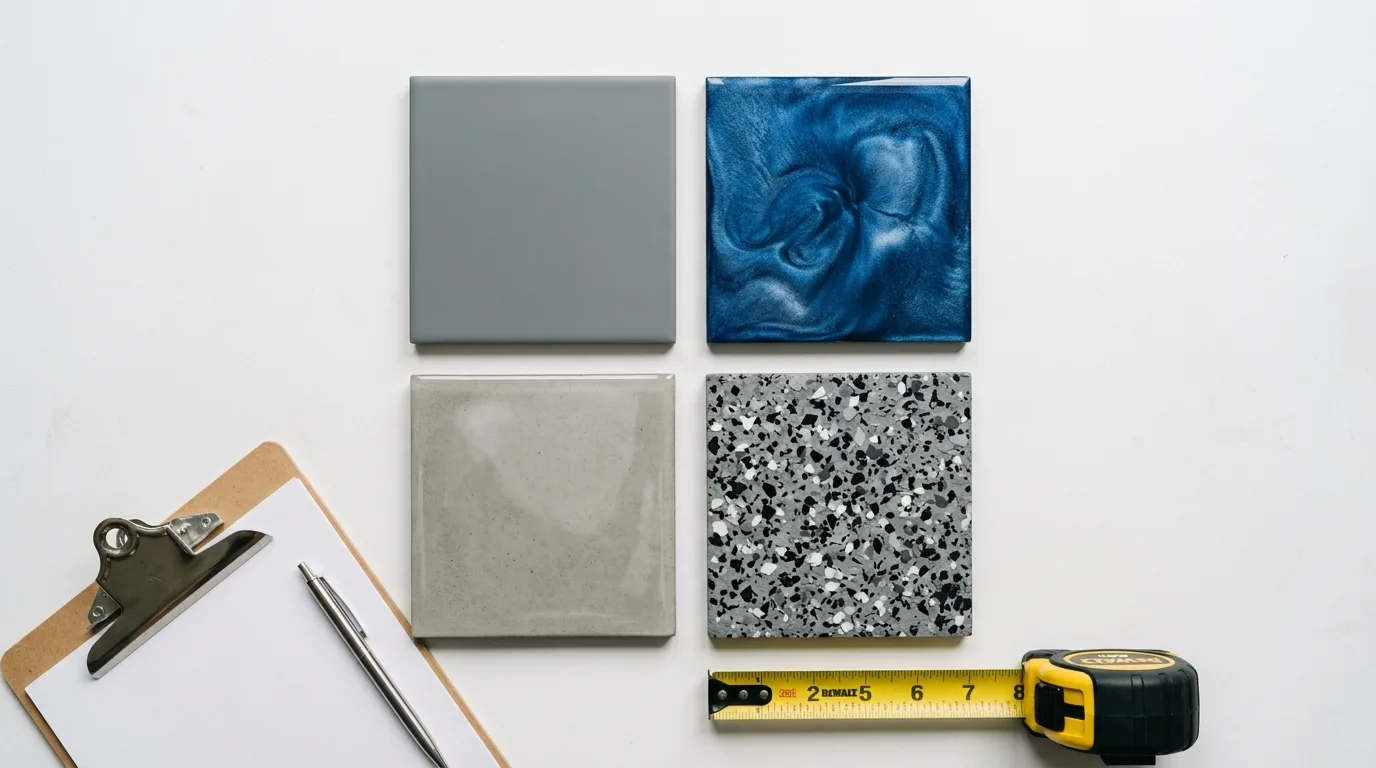
Epoxy flooring cost in Denver varies more than most homeowners expect — the same two-car garage can run anywhere from $1,800 to $4,500 depending on prep method, coating system, and finish complexity. This guide breaks down exactly what drives that range, so you know what you're paying for before you get a quote. For a deeper dive into system selection, see our full Epoxy Flooring Cost Denver guide.
Garage Epoxy Cost in Denver by Size
Garage pricing scales with square footage but isn't perfectly linear — smaller garages carry a higher per-square-foot cost because setup, prep equipment mobilization, and minimum material batching don't shrink proportionally with the space.
| Garage Size | Approx. Sq Ft | Price Range |
|---|---|---|
| 1-Car Garage | 200–250 sq ft | $1,000–$1,800 |
| 2-Car Garage | 400–500 sq ft | $1,800–$3,200 |
| 3-Car Garage | 600–750 sq ft | $2,800–$4,500 |
| 4+ Car / RV Bay | 900+ sq ft | $3,800–$5,000+ |
These ranges assume standard prep (diamond grinding) and a full-broadcast flake or solid-color polyaspartic system — see our garage floor epoxy page for system details specific to residential installs.
Commercial Epoxy Pricing Per Square Foot
Commercial pricing is quoted per square foot rather than as a flat range, since project sizes vary from a 1,000 sq ft retail space to a 50,000 sq ft warehouse. System complexity, not just square footage, drives the per-foot rate.
Standard Commercial
$5–$8/sq ft — retail, office, light industrial. Solid color or light flake broadcast, standard polyaspartic topcoat.
Industrial / Warehouse
$5–$10/sq ft — forklift-rated broadcast systems, chemical resistance specified per facility use.
Food Service / Medical
$8–$12/sq ft — NSF-compliant urethane cement or specialty epoxy with coved base, drain integration.
Specialty (ESD/Aviation)
$7–$14/sq ft — ANSI/ESD S20.20 compliant systems, aviation fuel-resistant coatings, certified testing included.
Cost by System: Epoxy vs Polyaspartic vs Metallic
The coating chemistry itself is a major cost driver. Standard epoxy is the most economical base; polyaspartic and metallic systems cost more per square foot but deliver longer service life or a distinct visual upgrade.
| System | Characteristic | Price Range |
|---|---|---|
| Solid Color Epoxy | Economical, uniform finish | $3–$5 / sq ft |
| Full-Broadcast Flake + Polyaspartic | Most popular Denver residential system | $4–$6 / sq ft |
| Polyaspartic Topcoat Only | Faster cure, added UV stability | Add $0.50–$1 / sq ft |
| Metallic Epoxy | 3D marbled visual effect | $6–$9 / sq ft |
| Urethane Cement | Heavy-duty, thermal shock rated | $8–$14 / sq ft |
What Drives Price Up or Down in Denver
- Surface prep method: Diamond grinding (proper prep) costs more upfront than acid etching but produces a far stronger bond — the single biggest predictor of whether an epoxy floor lasts 15 years or peels in 2.
- Number of coats: A base coat, chip layer, and 2-coat topcoat system costs more than a single-coat "quick" job — and lasts dramatically longer.
- Concrete condition: Cracks, spalling, or moisture issues add repair cost before coating can begin.
- Access and layout: Detached garages, split-level floors, or tight commercial spaces can add labor time.
- Custom color or design work: Logo inlays, custom flake blends, or metallic pattern work add to base system cost.
The cheapest quote is rarely the best value — a low bid often means acid-etch prep and a single thin coat, which typically fails within 2–3 years in Colorado's freeze-thaw climate. Ask any contractor directly about prep method and coat count before comparing prices.
Frequently Asked Questions About Denver Epoxy Pricing
$1,800–$3,200 for a standard two-car garage. Premium metallic or flake polyaspartic systems run $2,800–$4,500 depending on size and finish complexity.
Diamond grind vs acid etch prep, coating mil thickness, primer type, and number of coats all create major cost differences. A low quote often means acid etch instead of diamond grinding, or a single thin coat instead of a full system.
Slightly — some coatings require reformulation for high-altitude application, which can affect specialty system pricing. Standard epoxy and polyaspartic systems used across the Front Range are already altitude-calibrated at no extra cost.