Cost Guide
Garage Floor Coating Cost in Denver and Aurora: How to Spend Less Without a Worse Floor
Six safe savings, four false economies and the steps that stay in every quote, using figures from our own Denver pricing pages.
Installation advice, cost breakdowns, finish comparisons, and concrete insights from our Denver crews.
Six safe savings, four false economies and the steps that stay in every quote, using figures from our own Denver pricing pages.
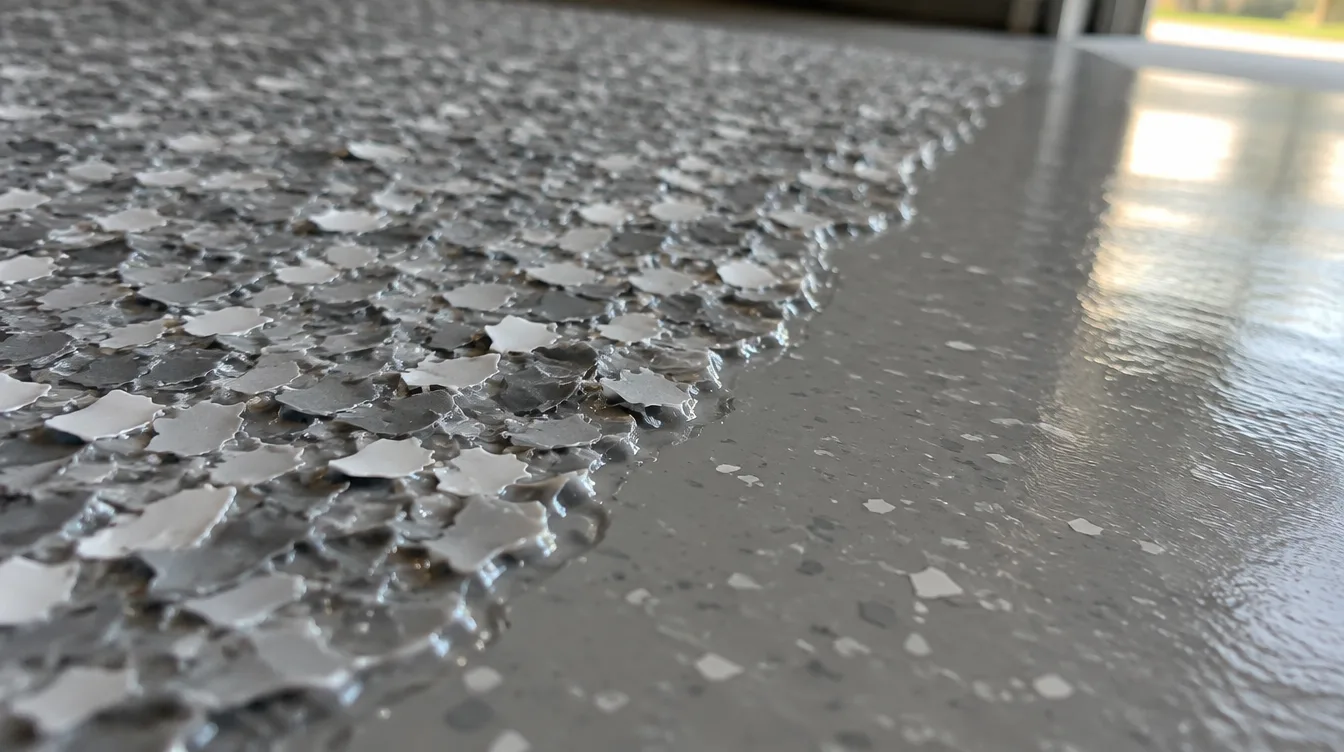
Five recognizable causes of a rough or gritty epoxy surface, from over-broadcast flake and amine blush to dust and flash-off, and what a fix usually involves.
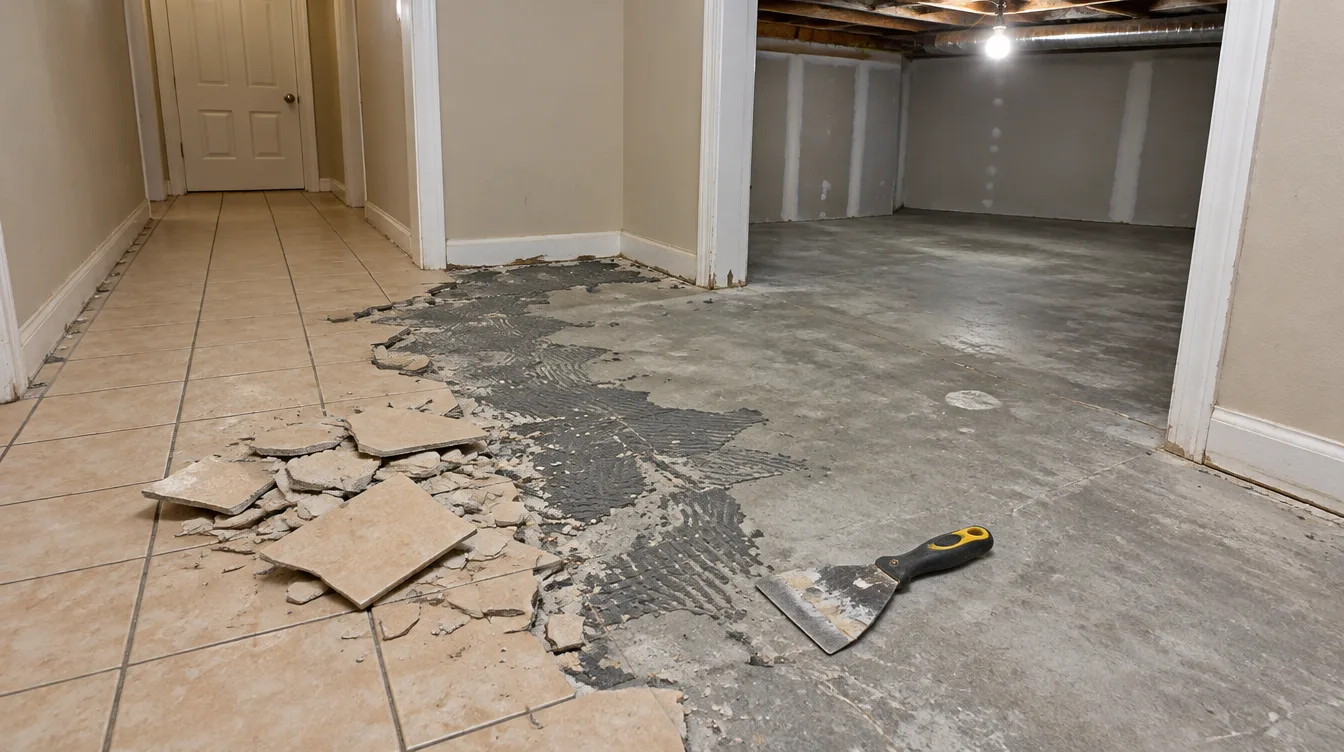
A verdict and a simple on-site check for ceramic tile, vinyl and cutback adhesive, floor paint, sealers, old epoxy and curing compounds on Denver slabs.
Material warranty against labor warranty, what lifetime really means, the standard exclusions and the paperwork that keeps a claim alive, for Denver floor owners.
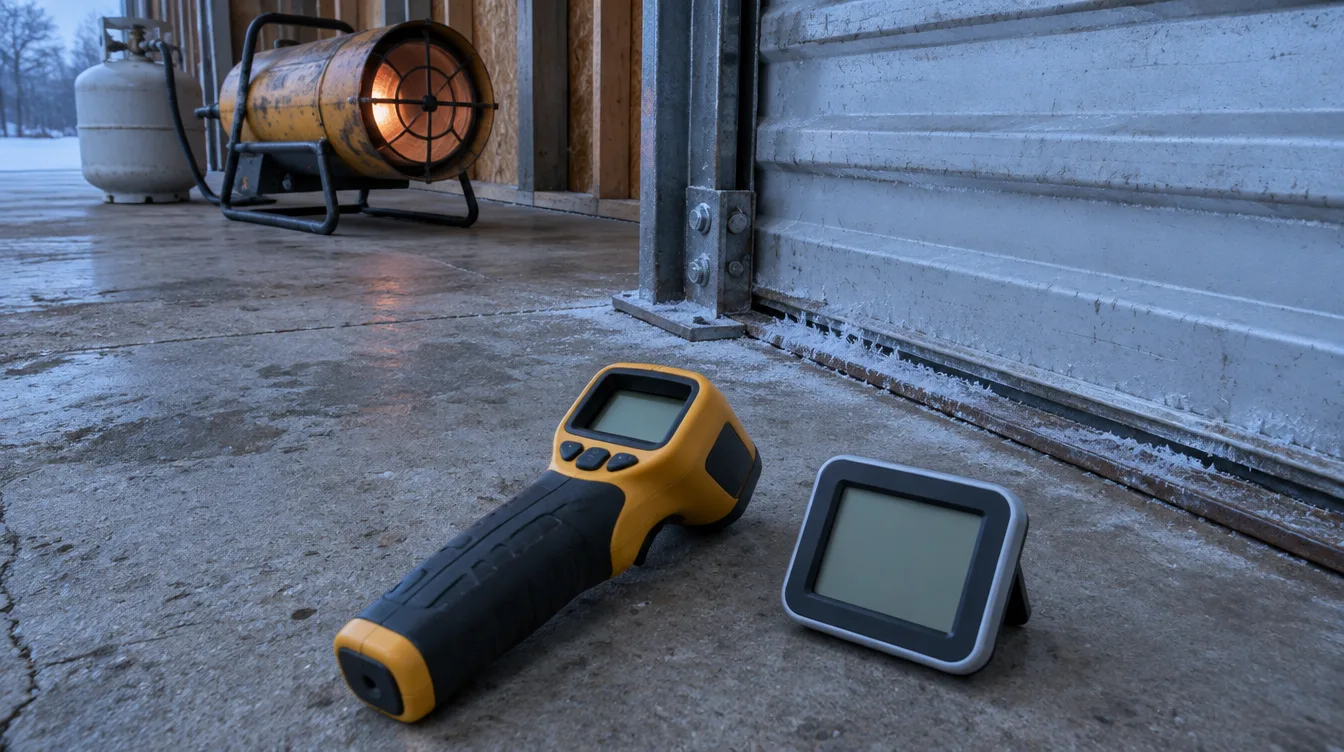
Air, slab surface and dew point decide whether an epoxy floor cures and bonds. Learn the minimum temperatures and the best months to schedule along the Front Range.
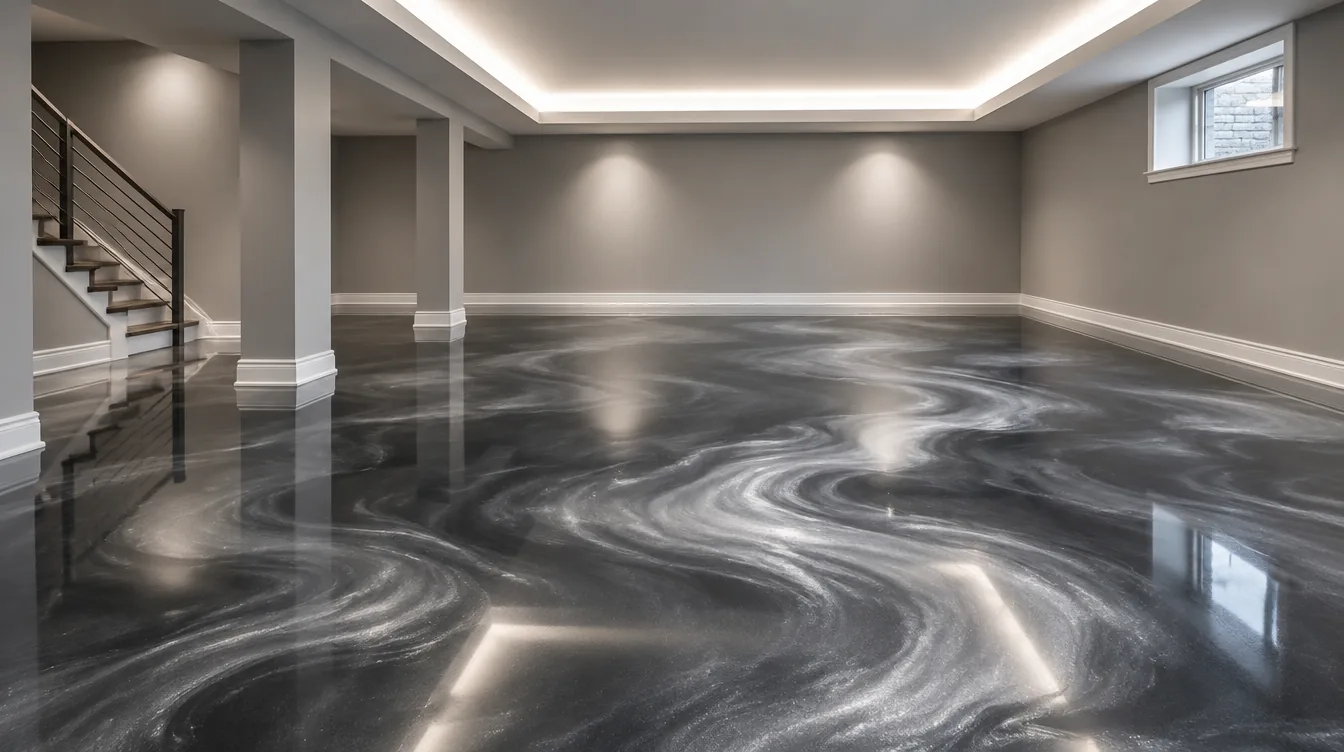
Metallic against solid color and flake on repairability, scratches, installer skill and where each system belongs, for Denver owners choosing a floor.
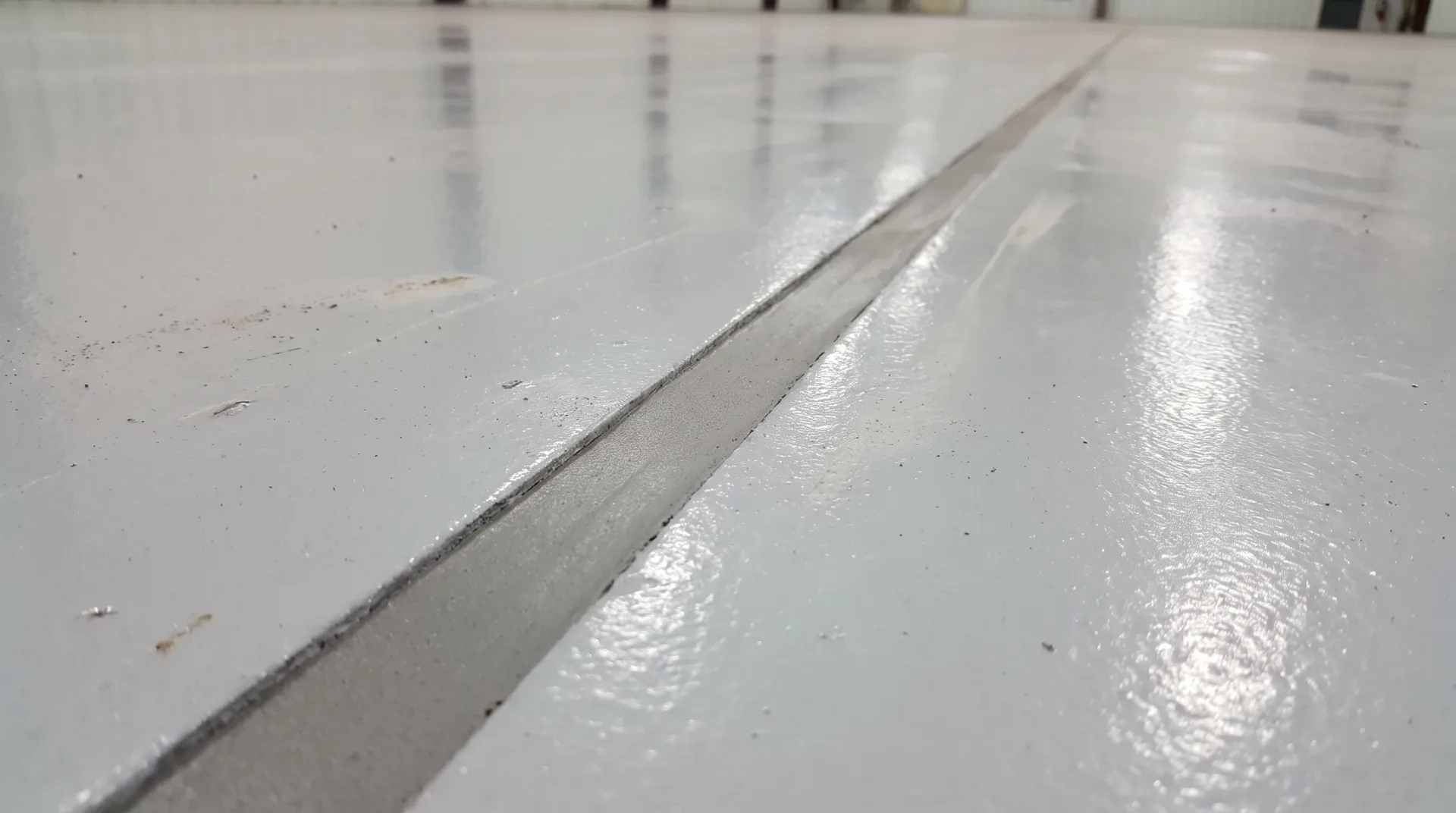
Three joint types, semi rigid filler hardness and what happens when a coating is run across a slab joint, for Denver facility managers.
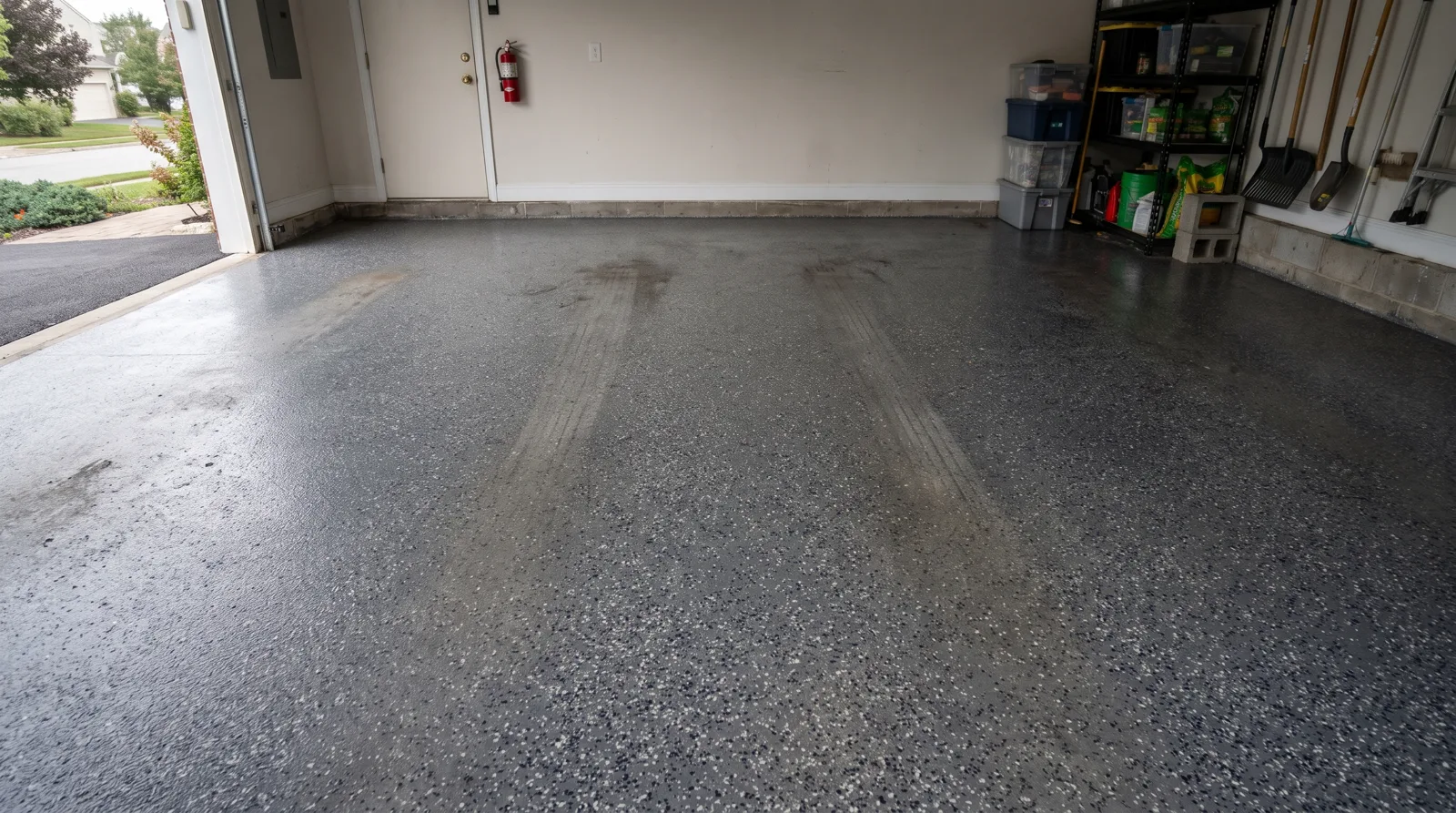
Year by year, where wear shows up first on a Denver garage floor, what is normal aging and what means the coating failed.
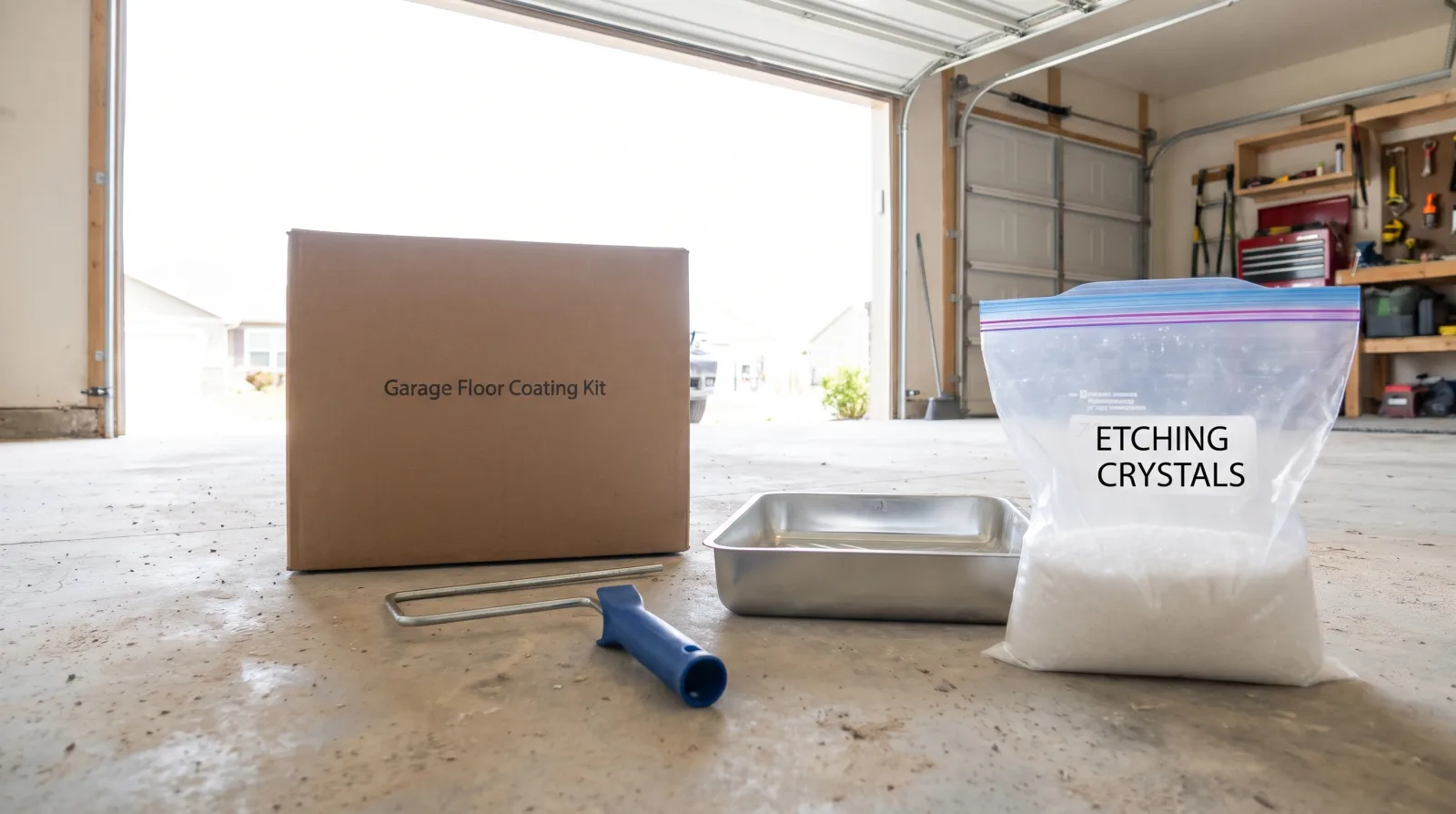
What is in the box, how many mils it leaves behind and what the acid etch pouch really does, so you know how long a kit floor lasts on a Denver garage.
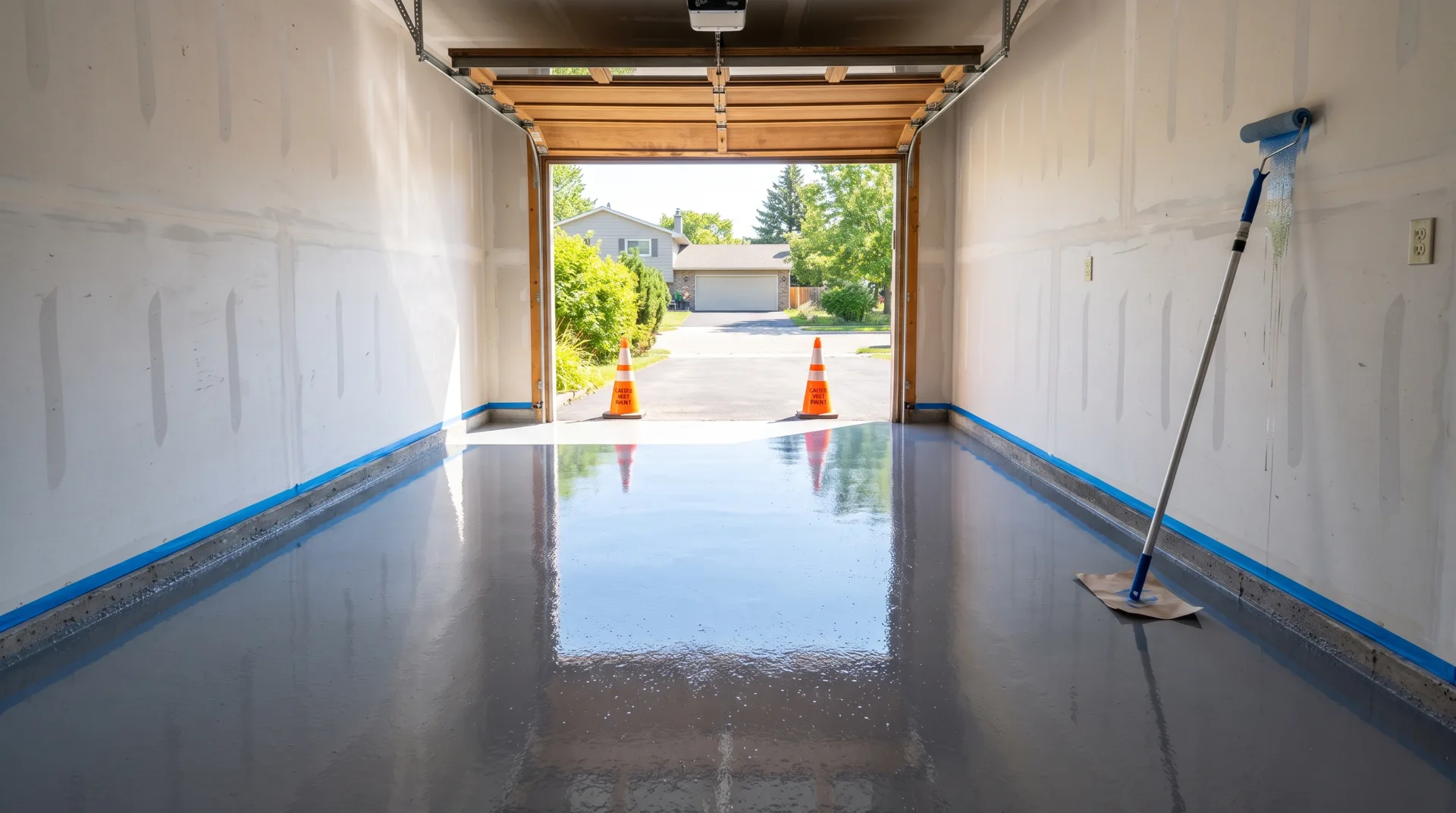
Installation days and cure days are different clocks. A day by day schedule for a two car Denver garage and when you can walk, load and park.
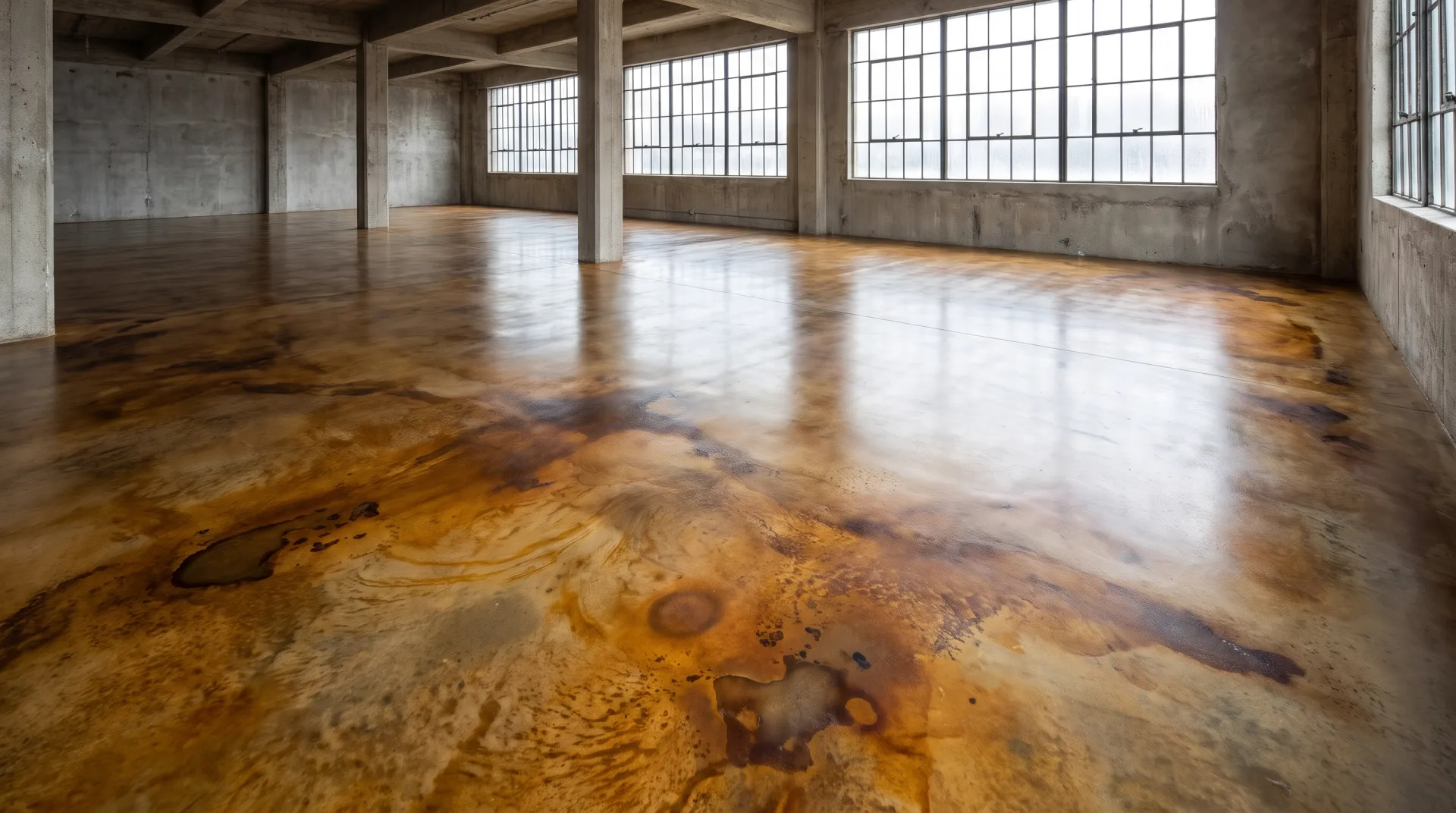
Three coloring methods that produce different floors, and what each can and cannot do on an existing Denver slab.
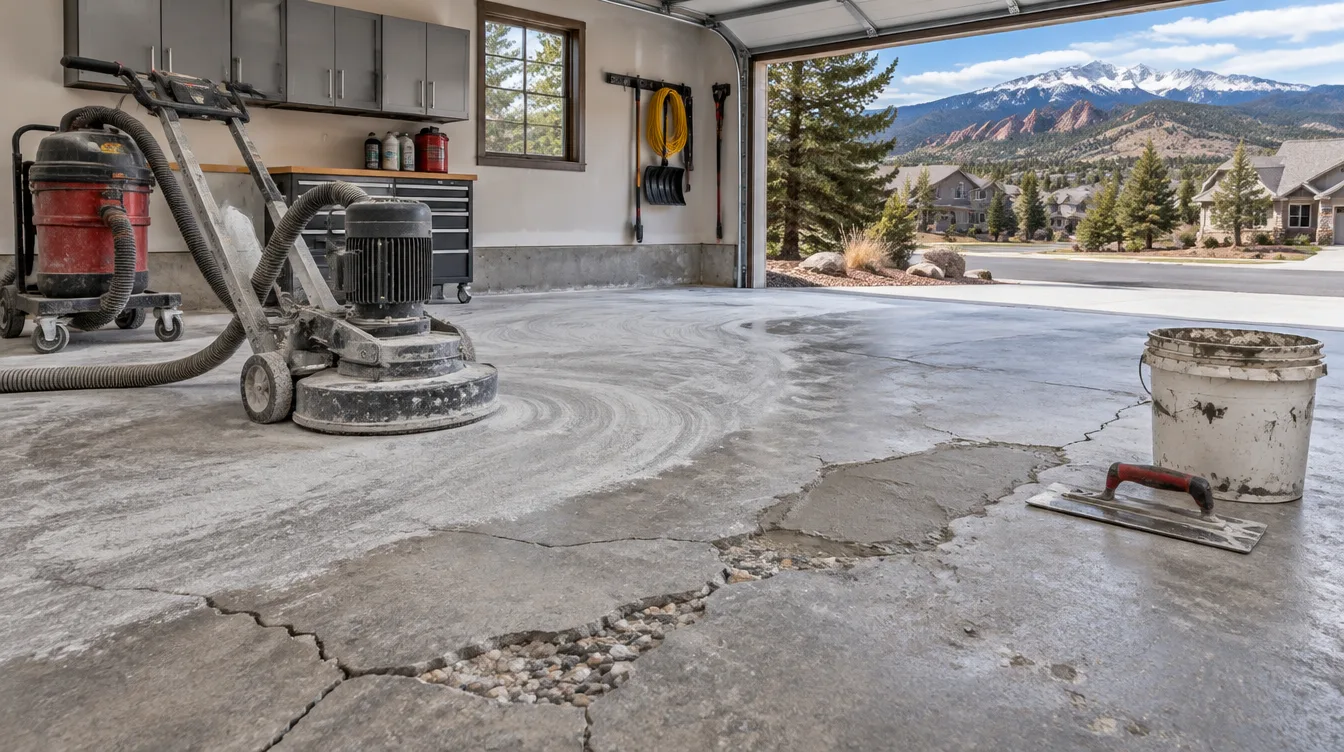
Five kinds of slab damage and a verdict for each: coat it, repair then coat, resurface, or do not coat.
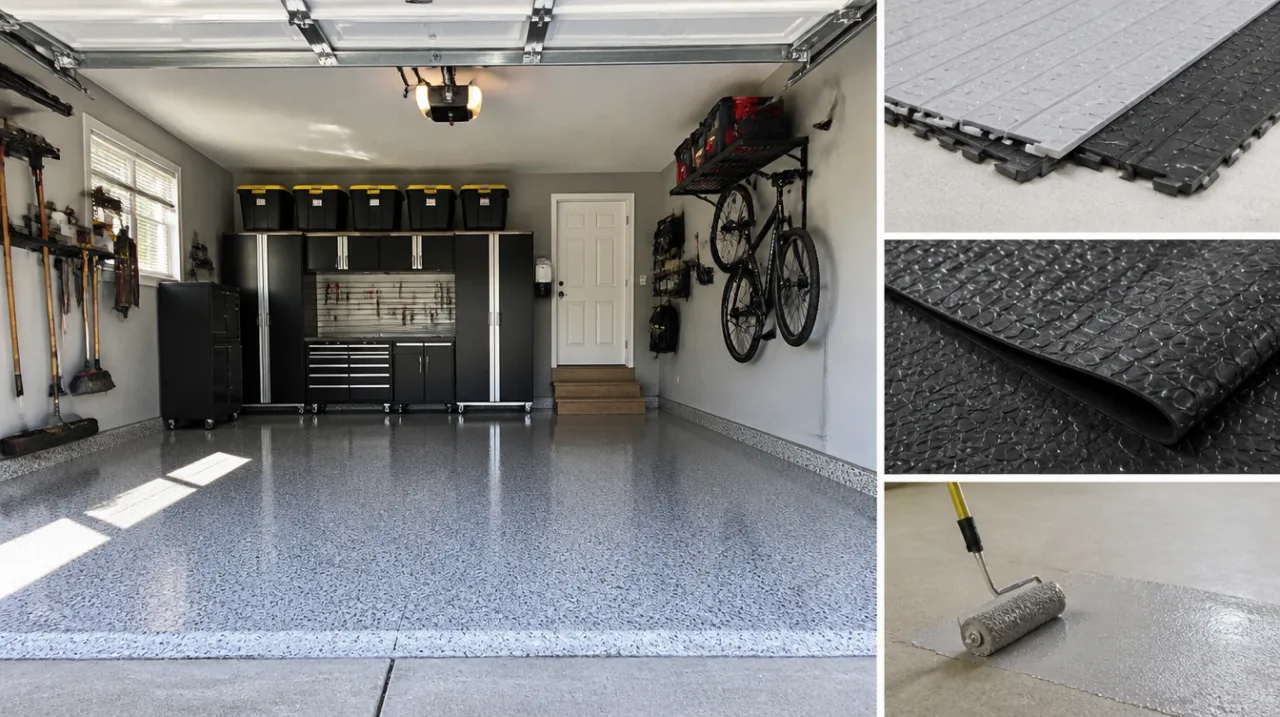
Four garage floor options compared on moisture, hot tires, jack loads, road salt, repairs and ten year cost.
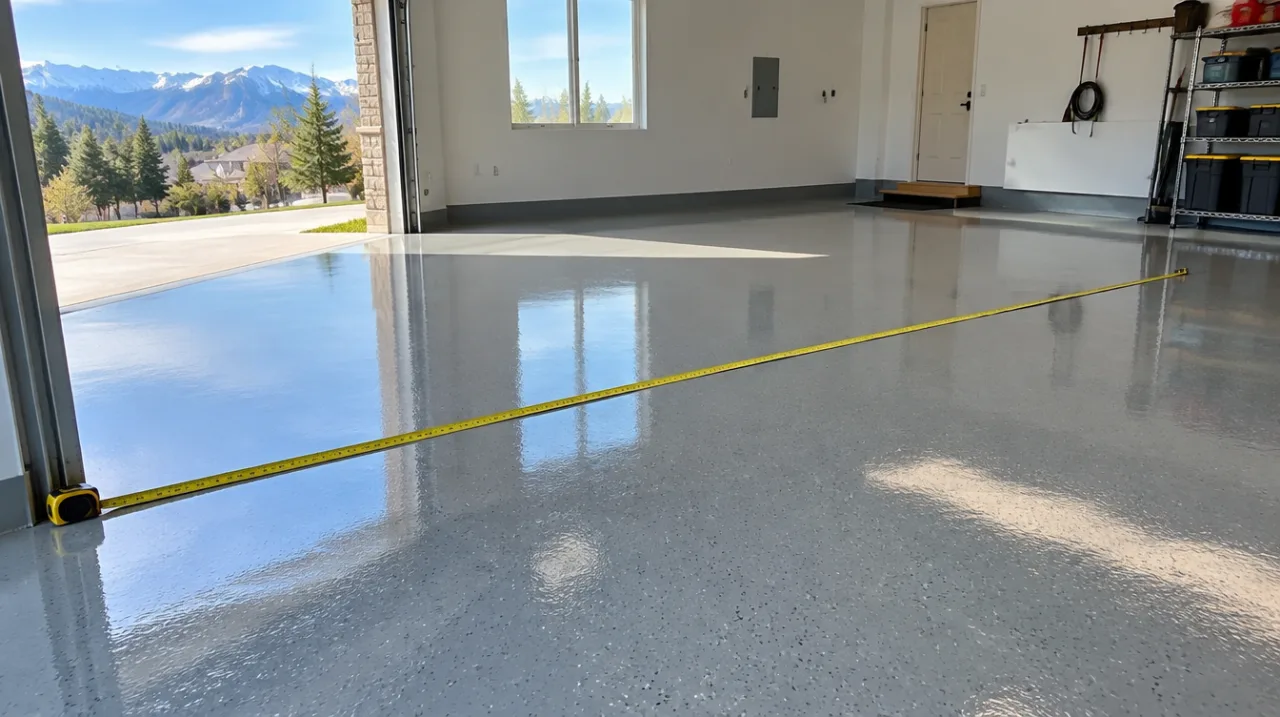
Four worked footprints priced at two prep tiers, plus how to measure your own floor and what falls outside every figure.
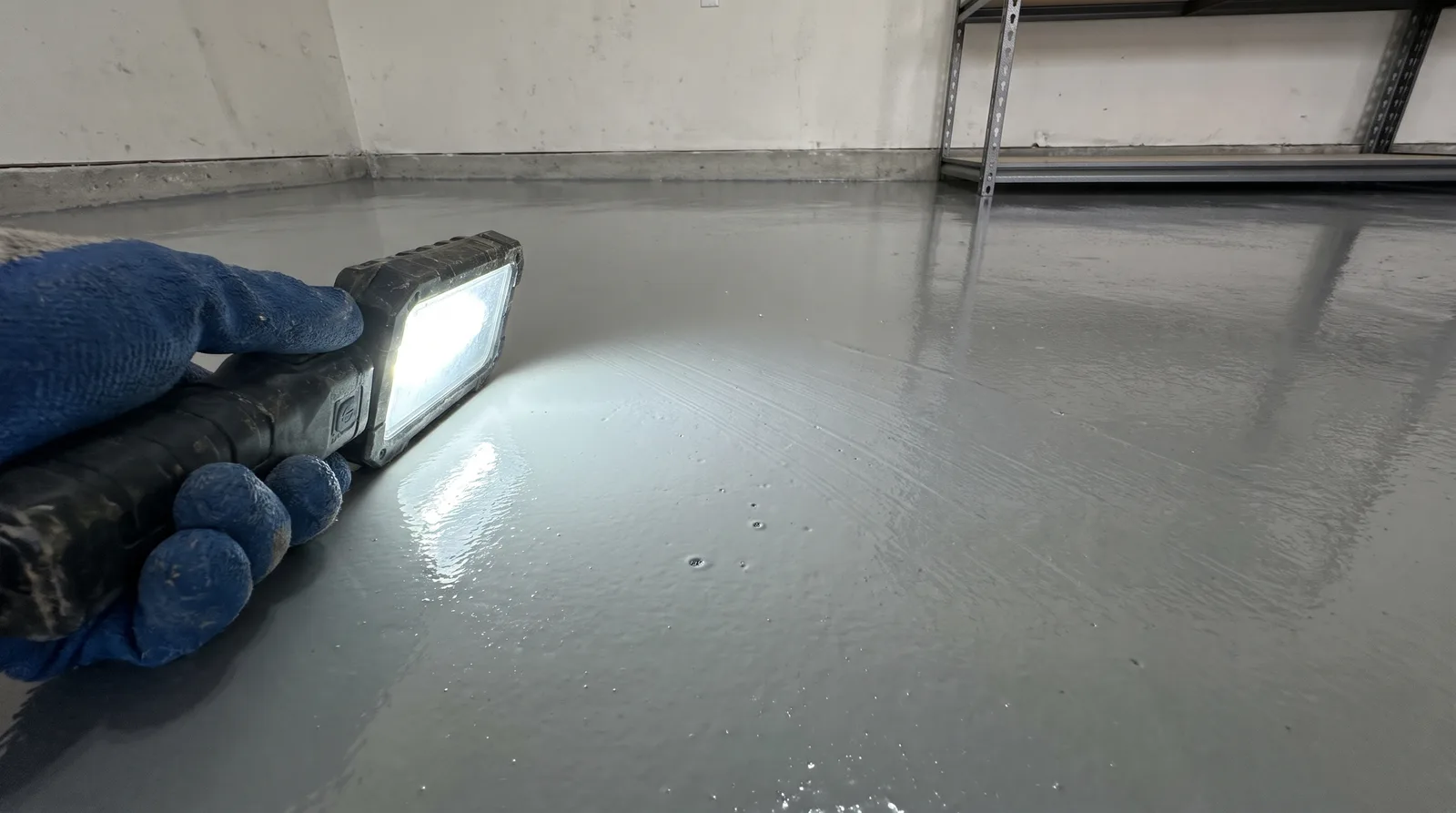
An eight-point inspection for handover day: lap lines, pinholes, edges, control joints and coverage against the mils you paid for.
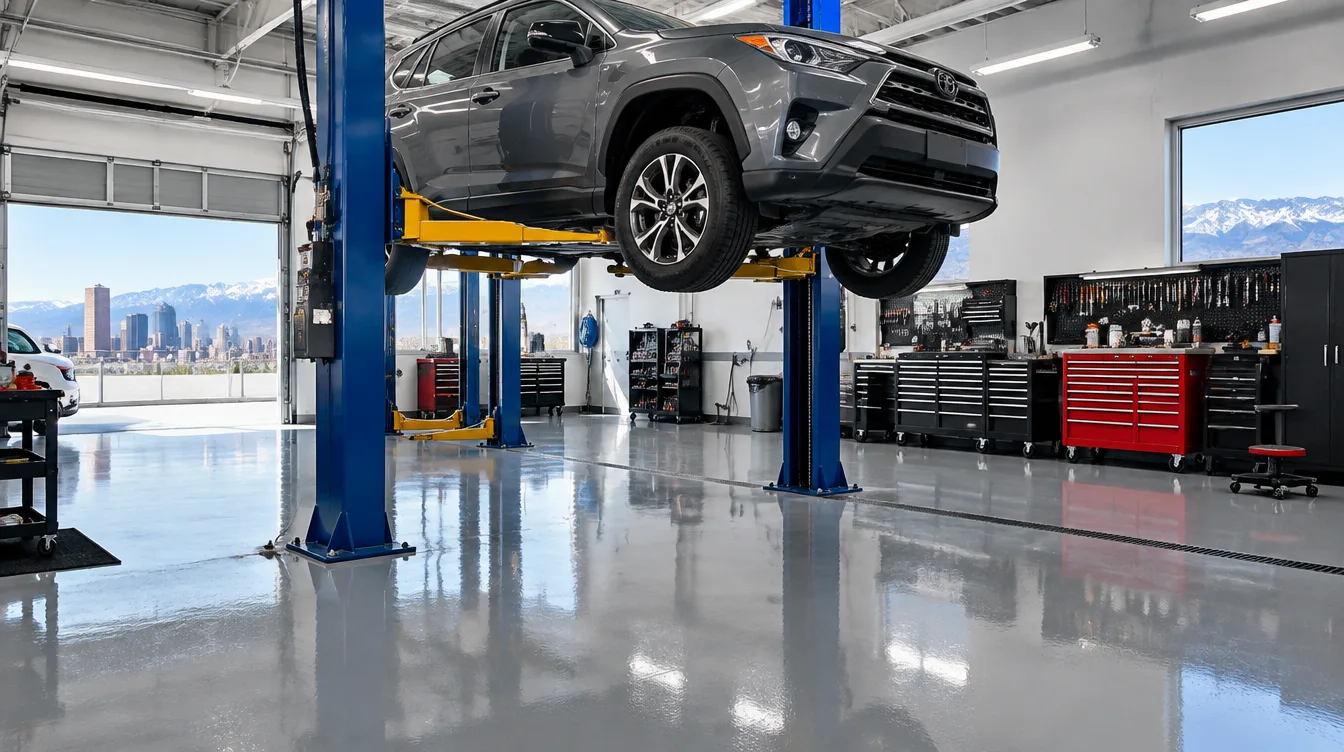
How to spec a shop floor around two post lift bases, brake fluid and solvents, hot parts and wash bay drains.
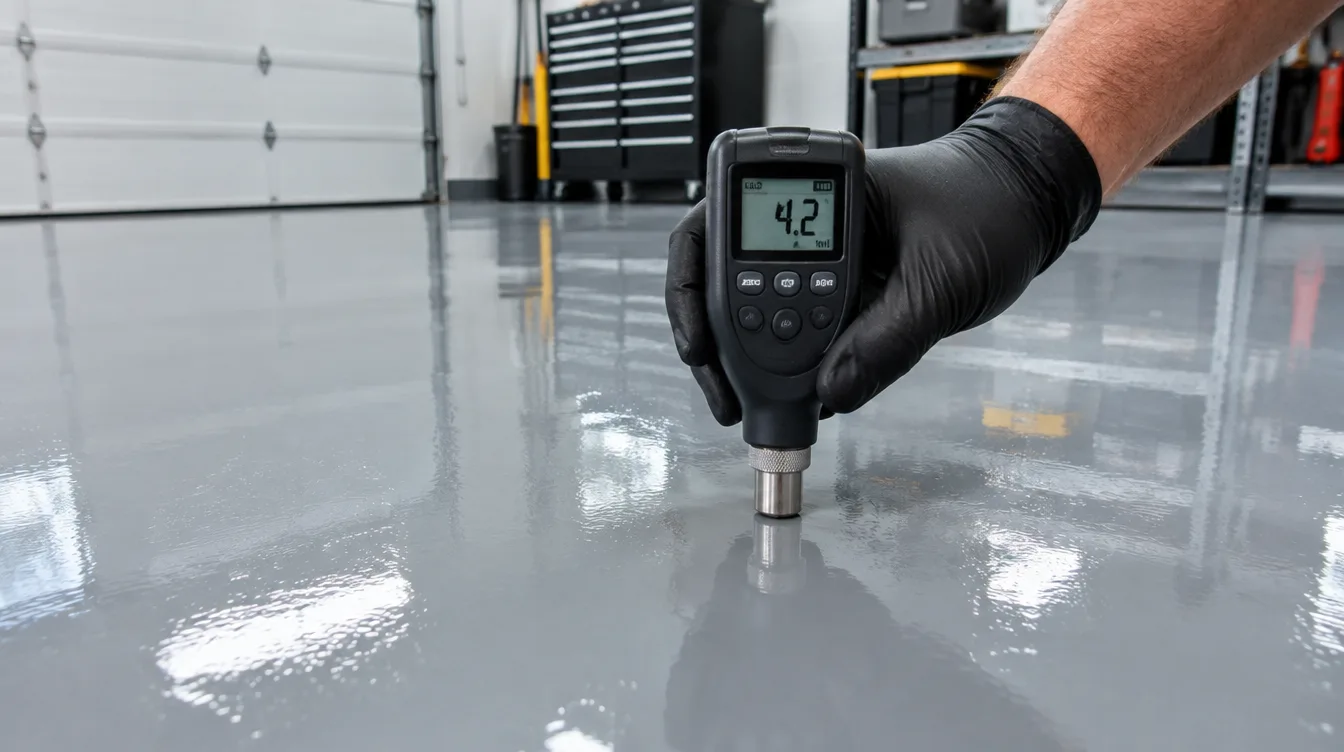
What each use needs in mils, how gallons convert to thickness, and how to write a verifiable thickness into a quote.
The six inputs inside any per-foot price, why small floors cost more per foot, and a worked example at two prep tiers.
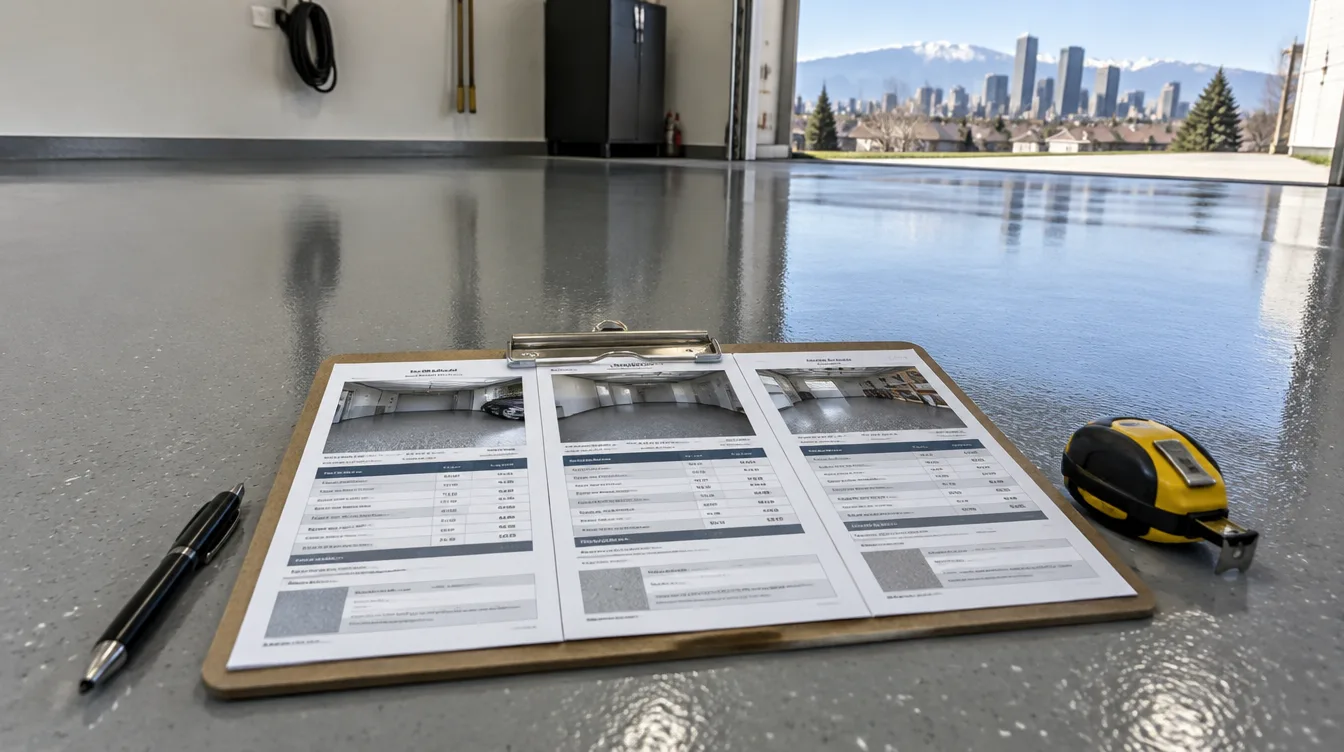
A seven-line scope sheet to send every bidder and a table to normalize prep, mil thickness, coats, flake and topcoat when the quotes come back.
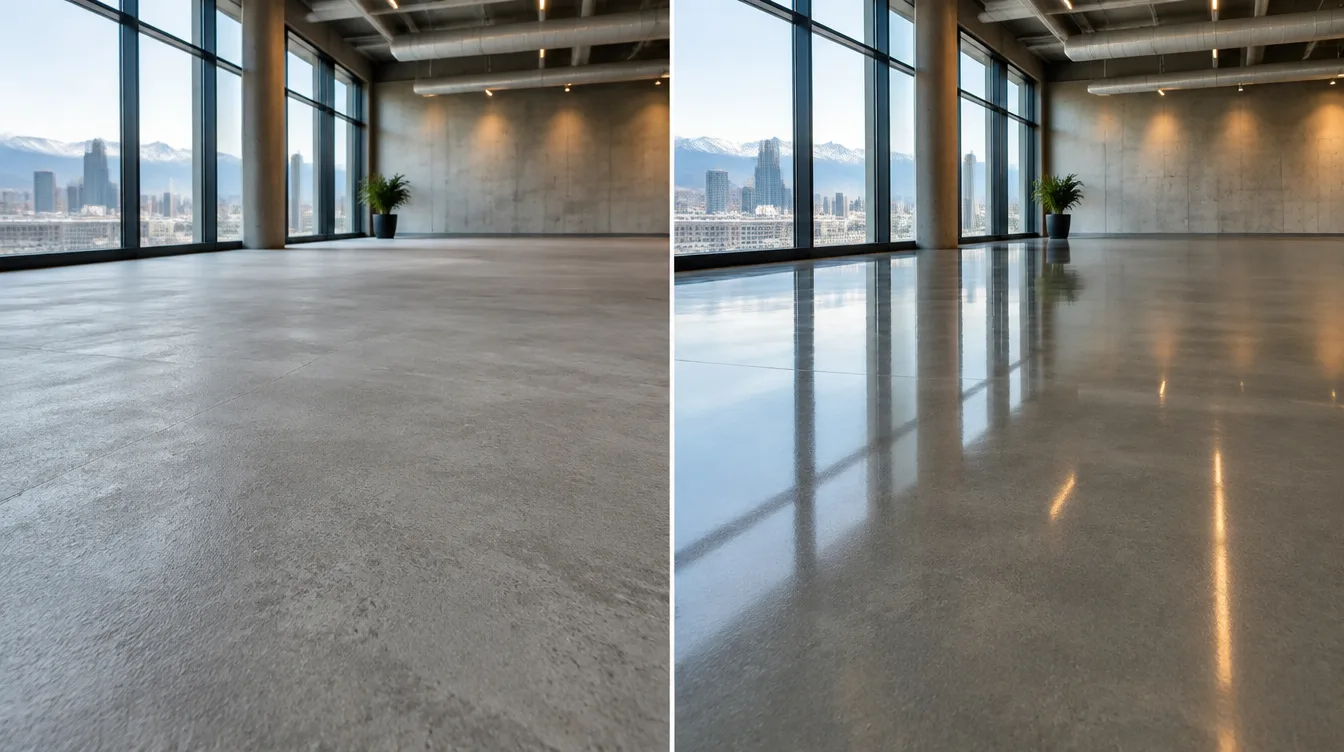
How slab hardness, surface condition and moisture decide between a sealed floor and a polished one, plus a ten-year cost comparison.
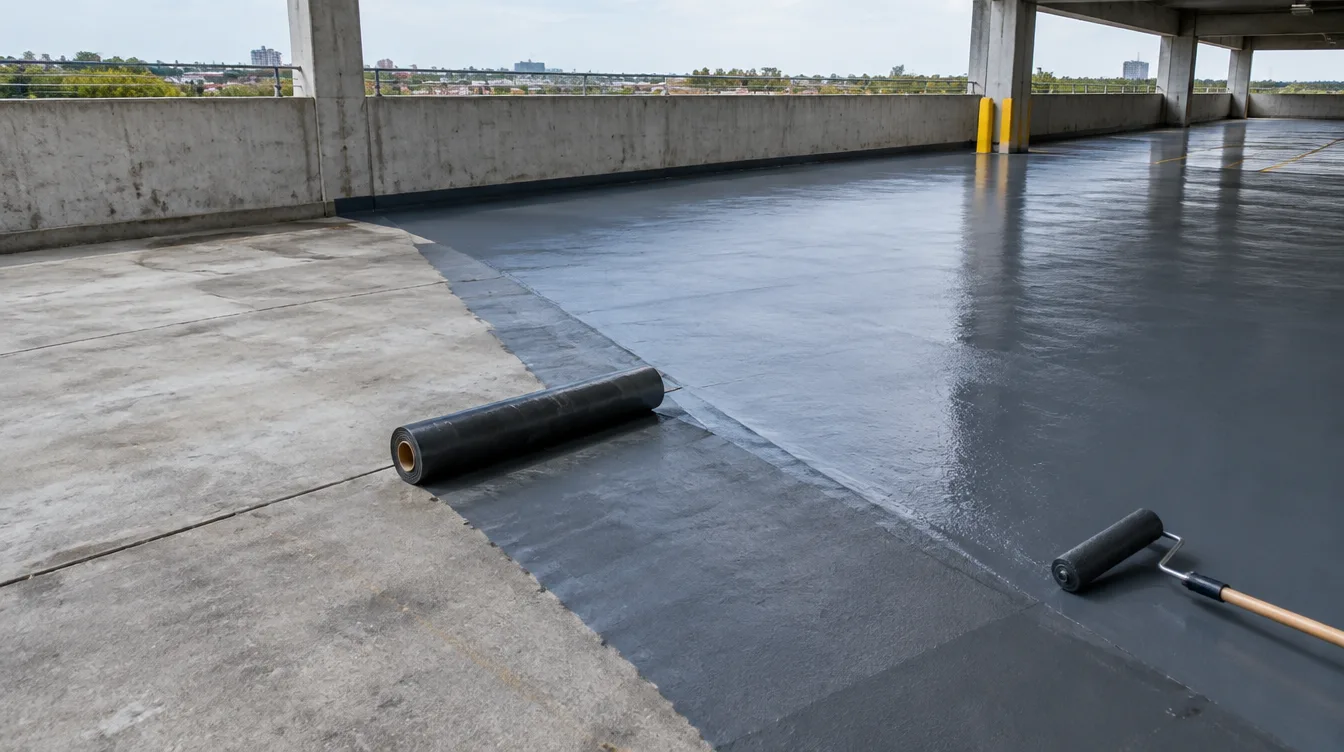
Why suspended decks need a crack-bridging membrane, how chlorides attack rebar, and how to zone a structure level by level.
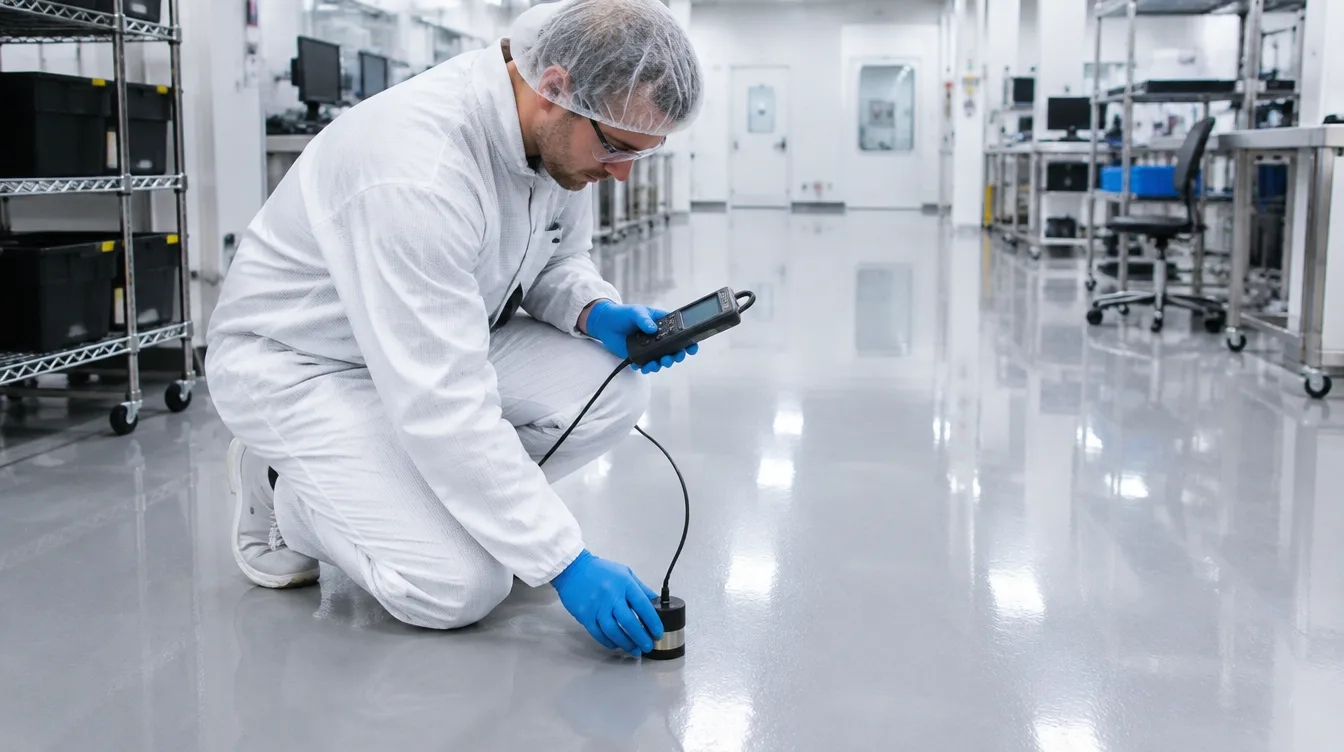
How floor resistance is measured under ANSI/ESD STM7.1, how many points to test, why readings move, and what a commissioning report needs.
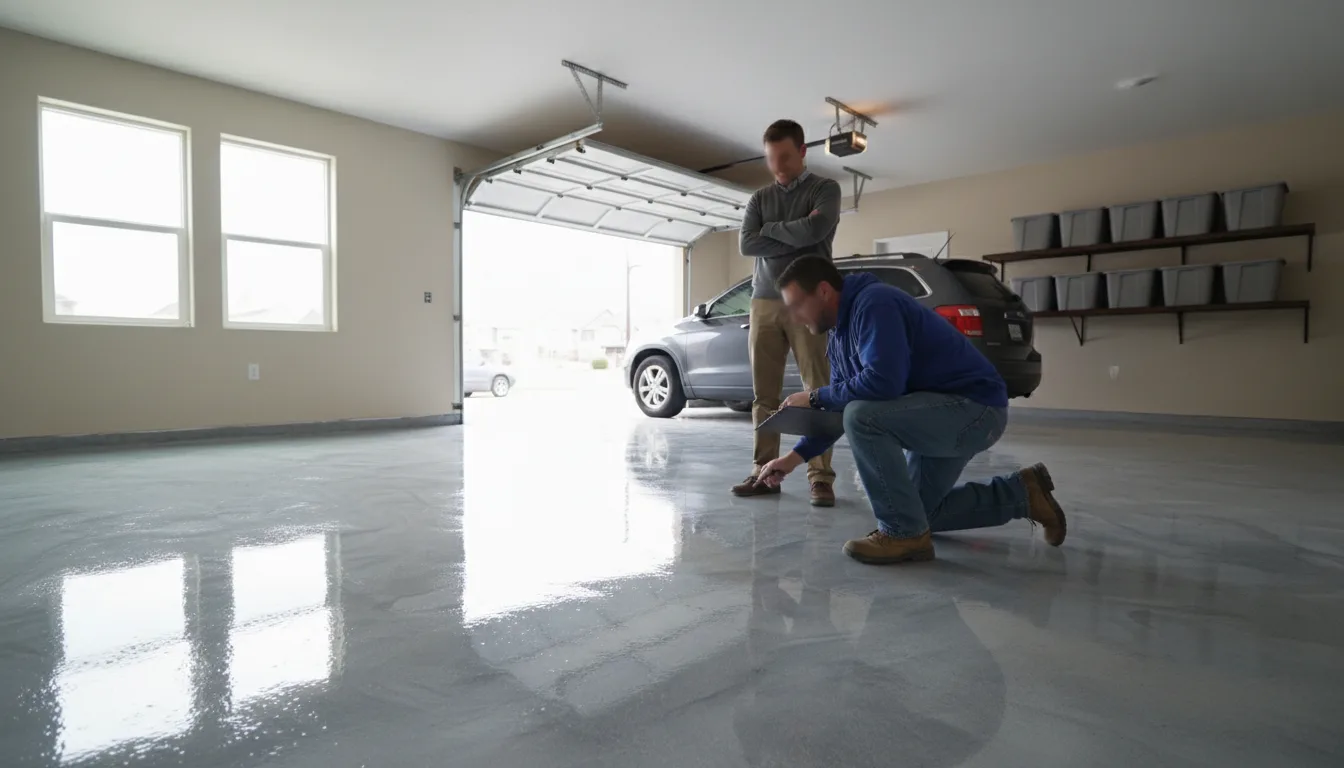
Fifteen questions on prep, materials, crew, insurance, cure time and warranty, each paired with the answer that should worry you.
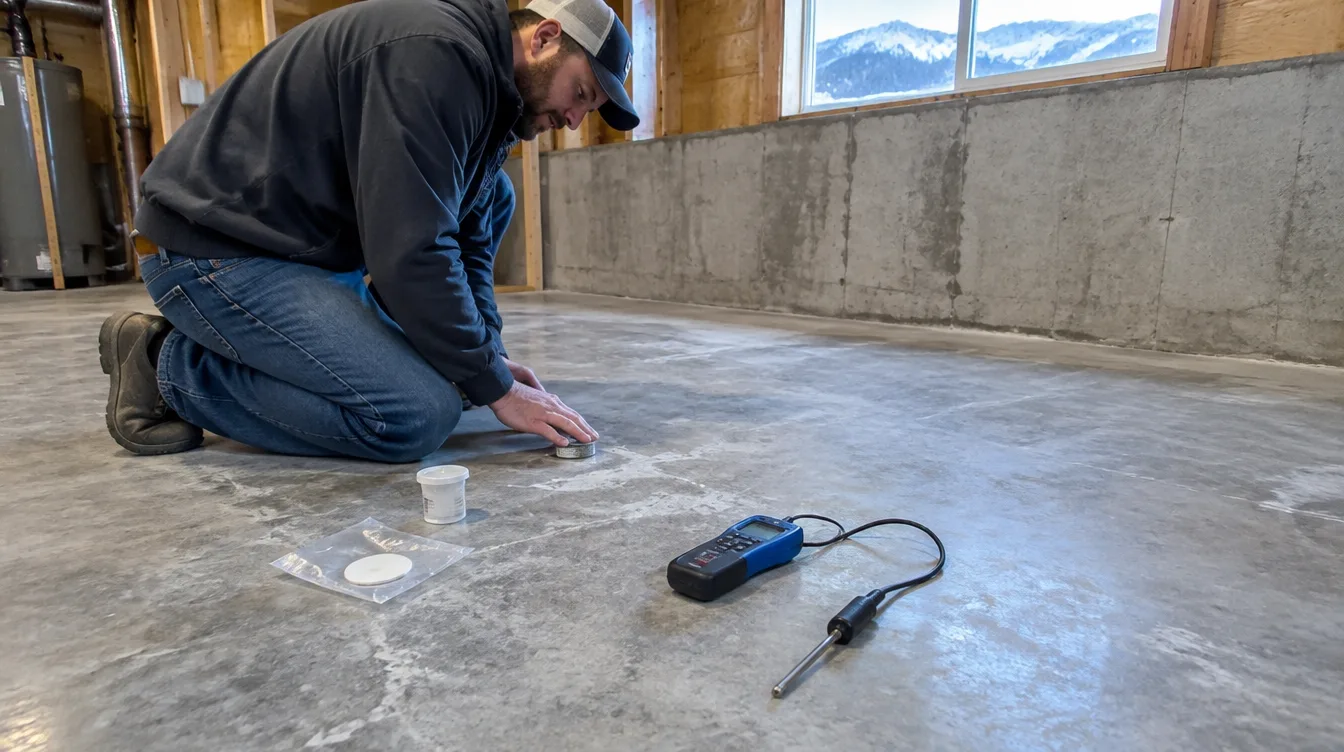
The test path from plastic sheet to ASTM F1869 and F2170, the numbers that trigger mitigation, and the three fixes.
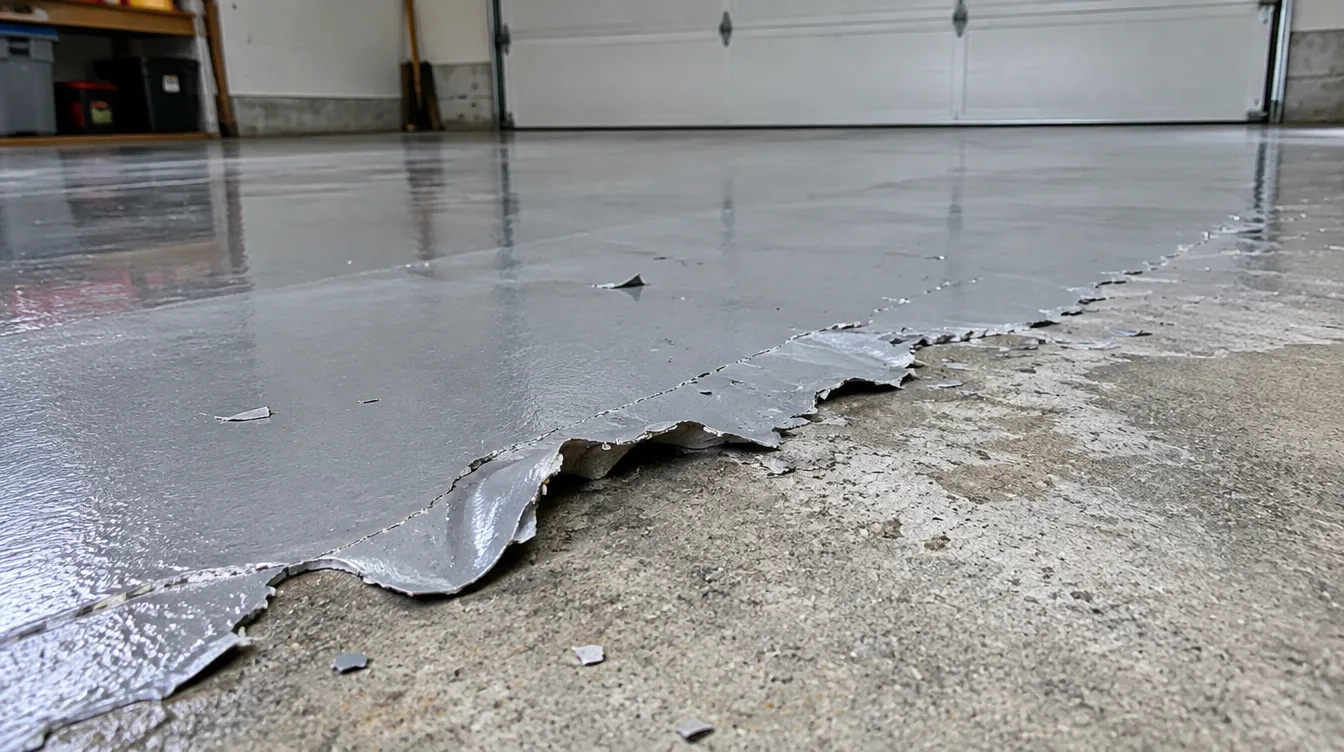
Four causes, four signatures, and two tests you can run today before deciding on spot repair or full removal.
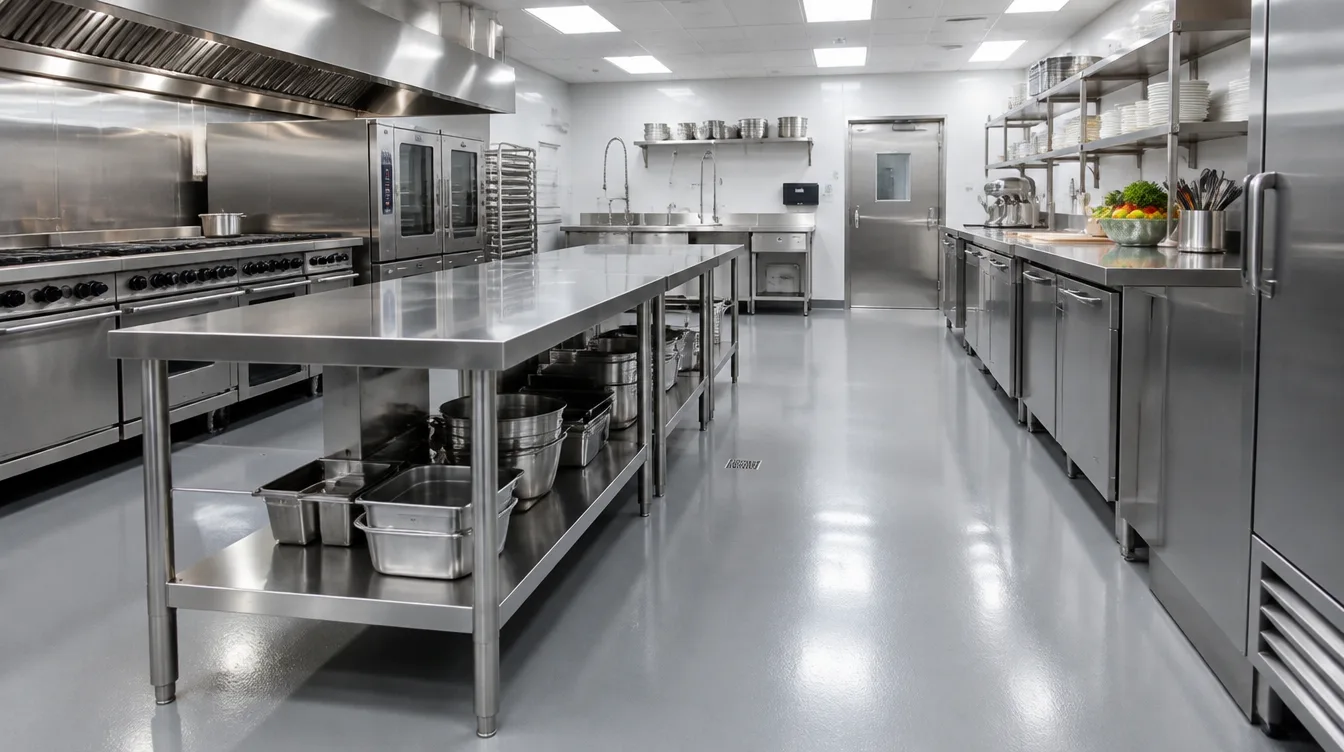
Why thermal shock decides the choice, with expansion numbers, chemical exposure, drain details and an honest cost comparison.
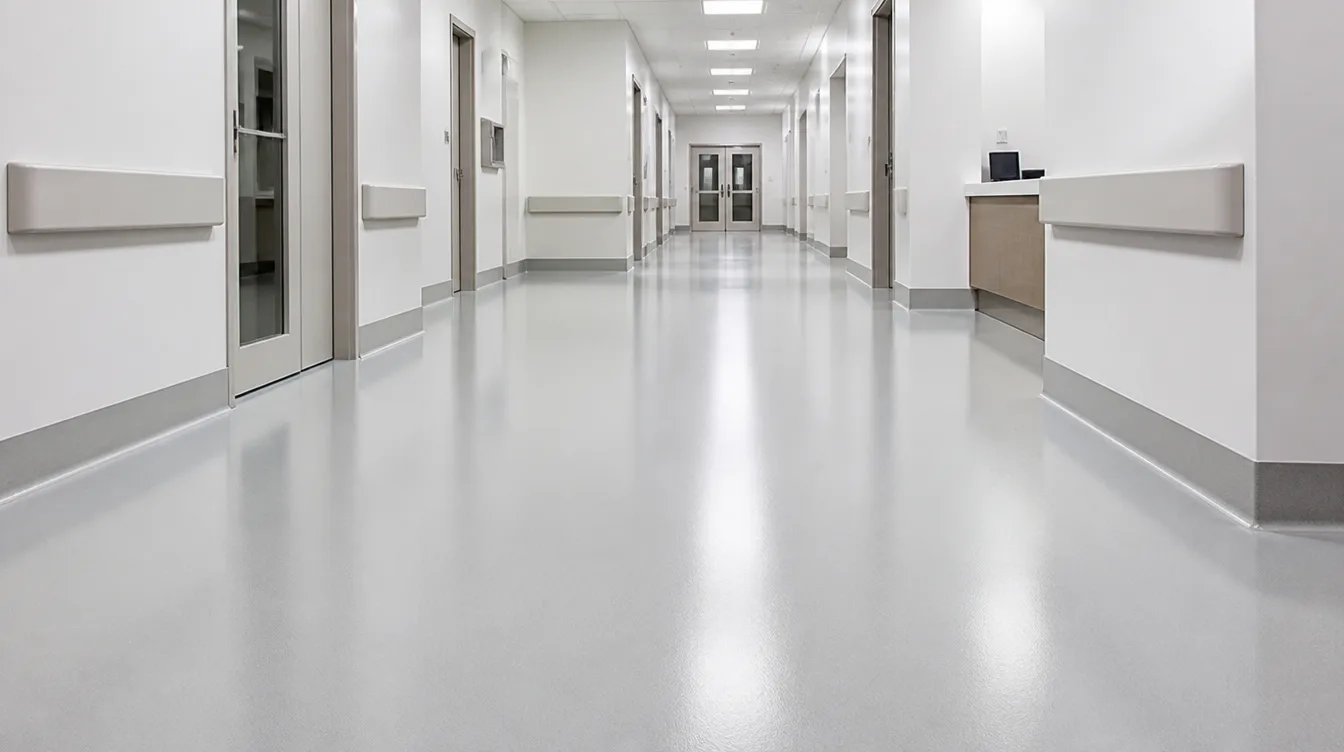
Seams, integral cove base, disinfectant compatibility and slip resistance, and what each clinical area needs.
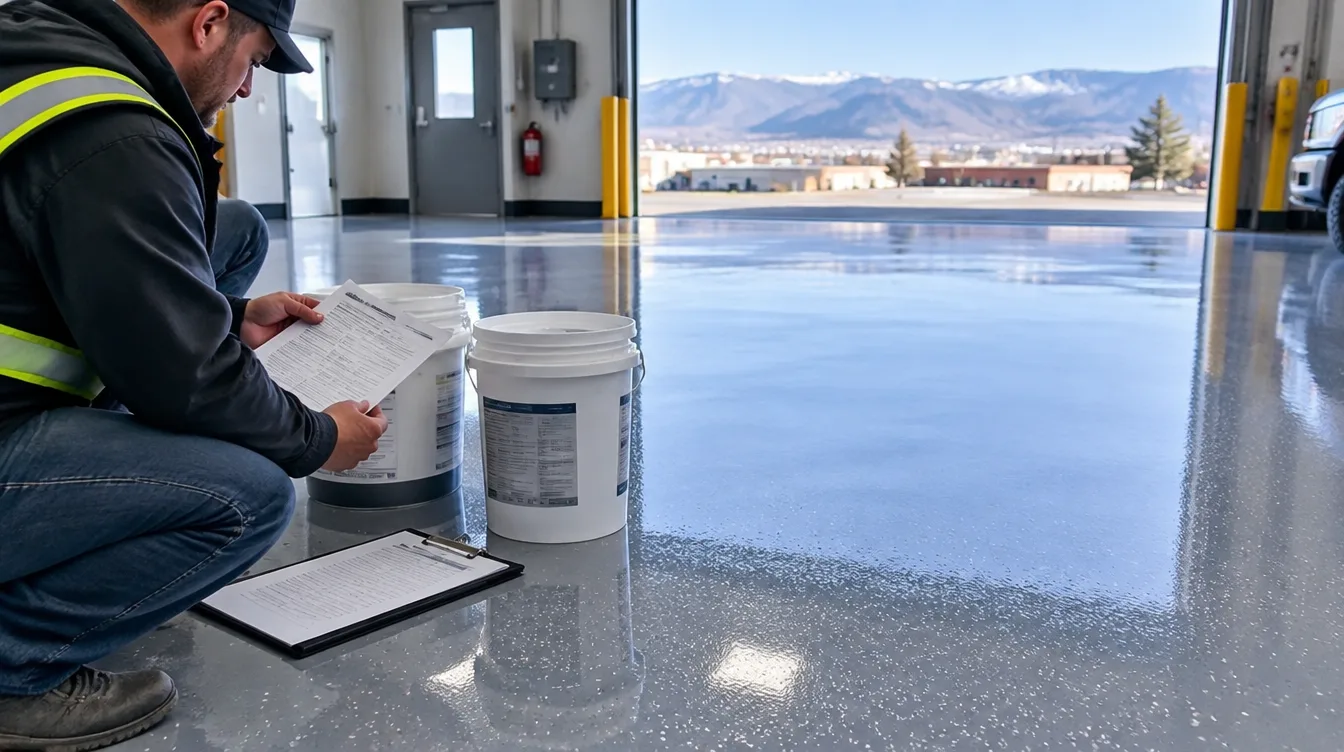
How to read a technical data sheet: solids content, spread rate against mil claims, pot life, recoat windows and warranty language.
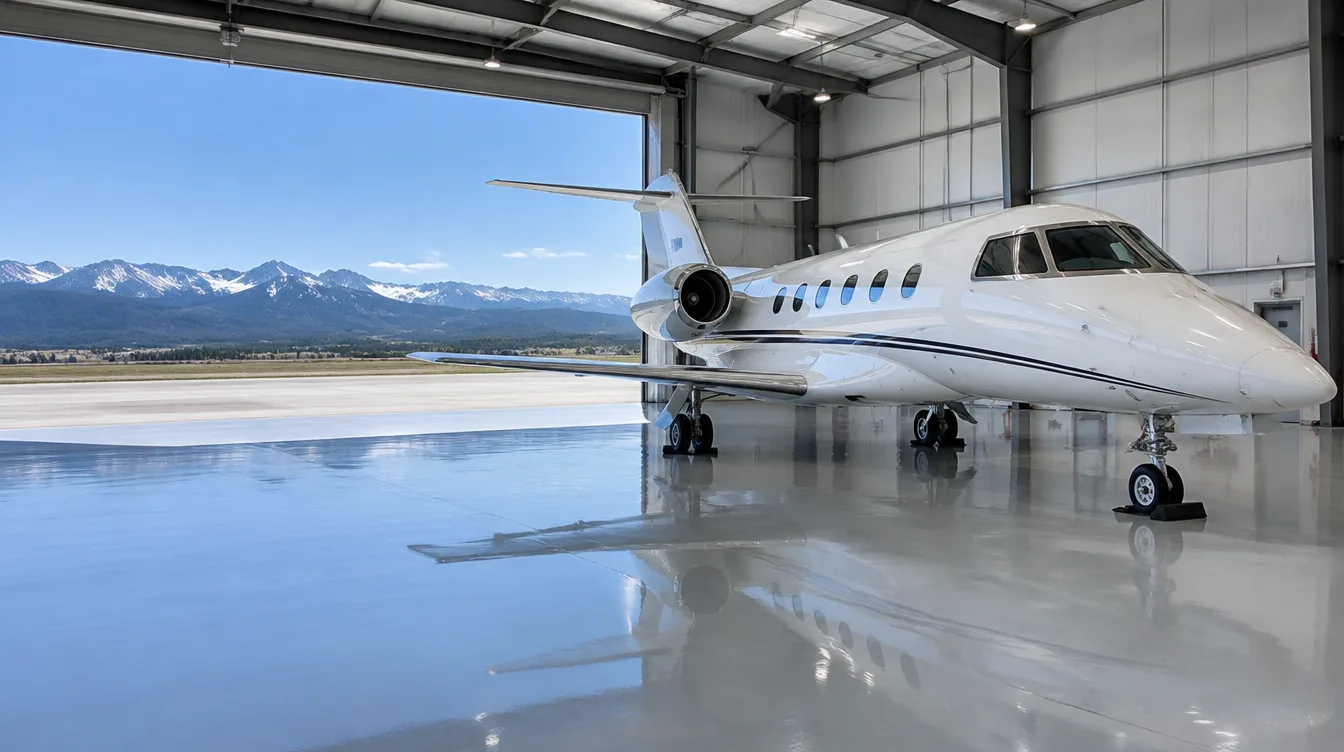
How a hangar floor handles jet fuel and Skydrol, static control during fueling, point loads and inspection lighting at once.
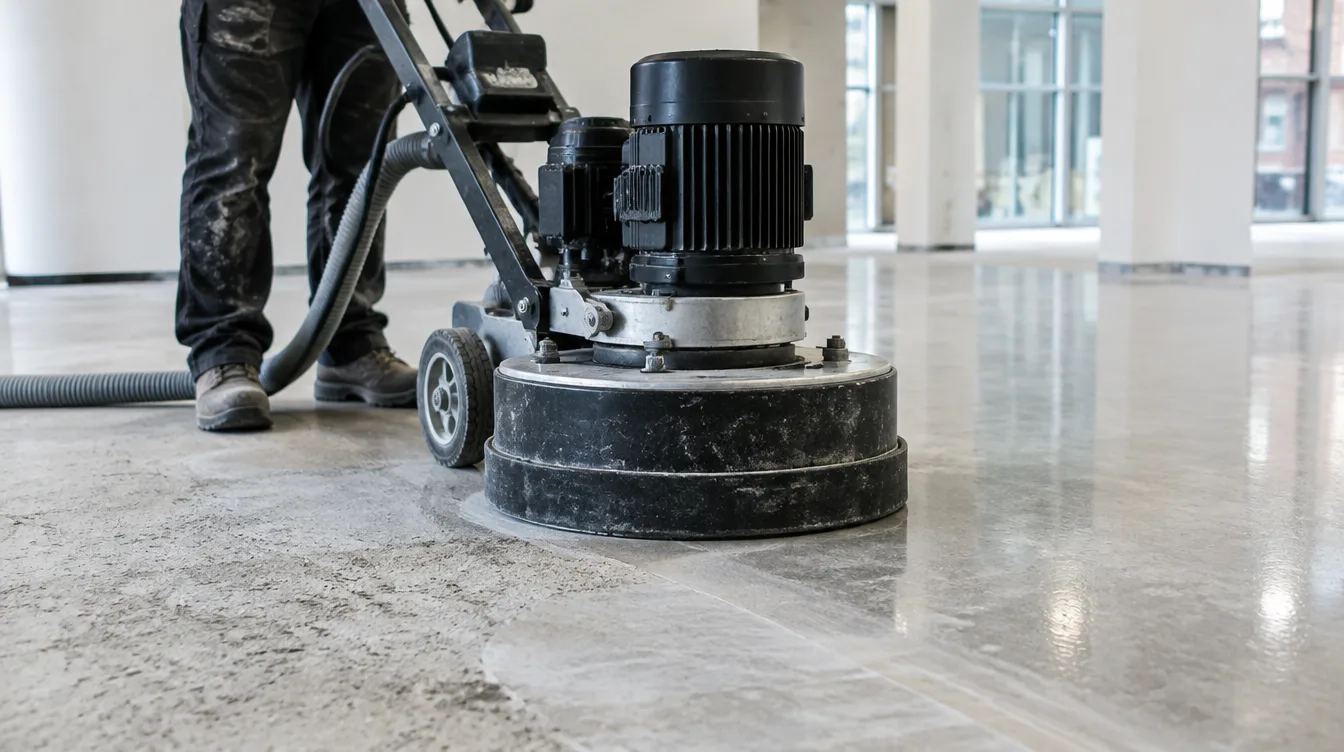
CSP profile numbers, grinding against shot blasting against acid etch, and how to check the prep on your quote.
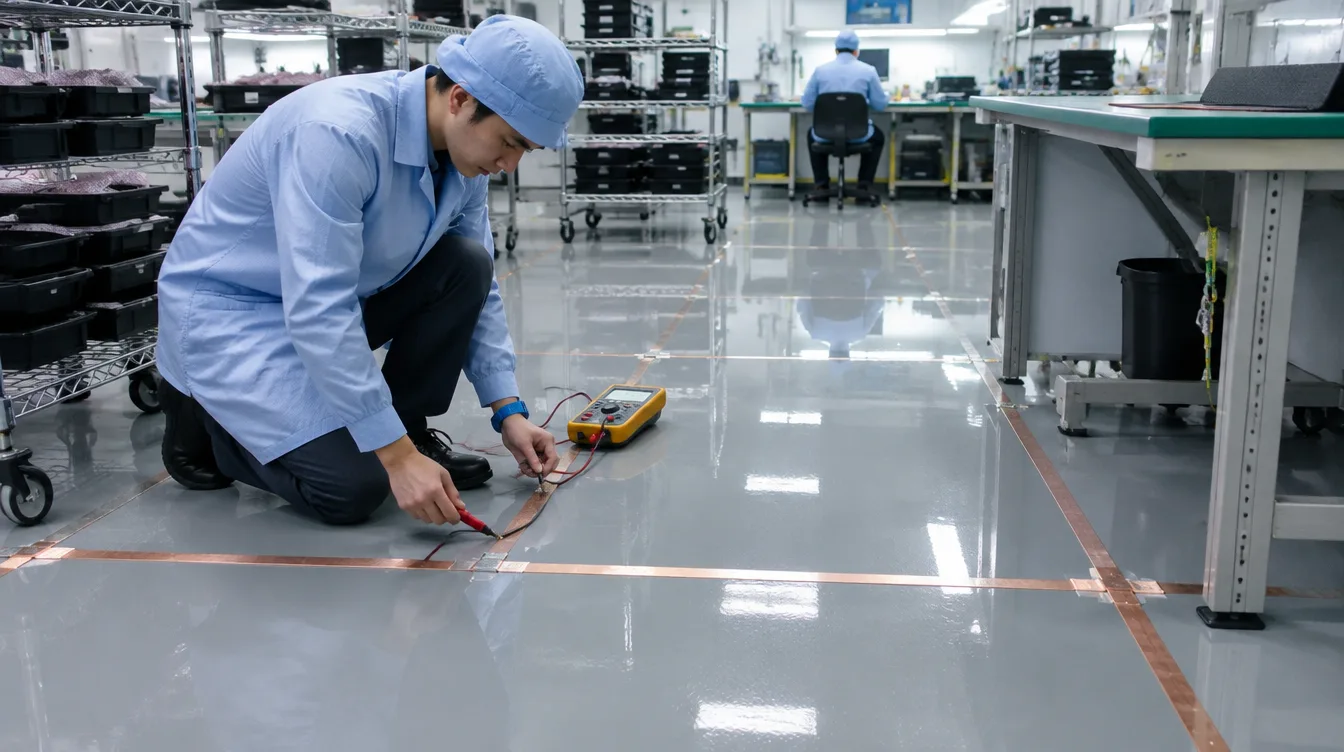
The resistance ranges, grounding rules, and which ESD floor class your facility actually needs.
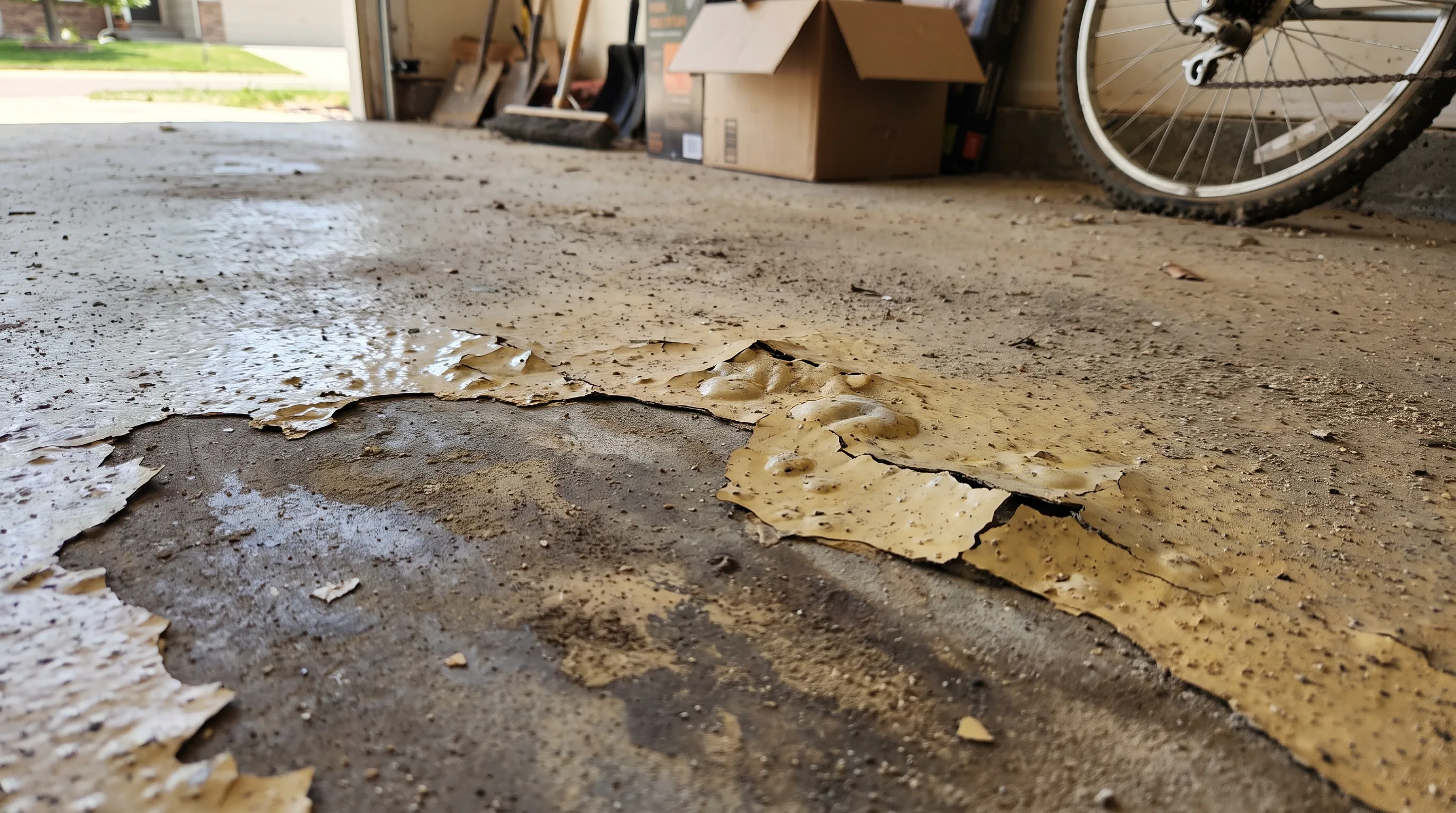
The four decisions that turn a promising epoxy floor into a failed one.
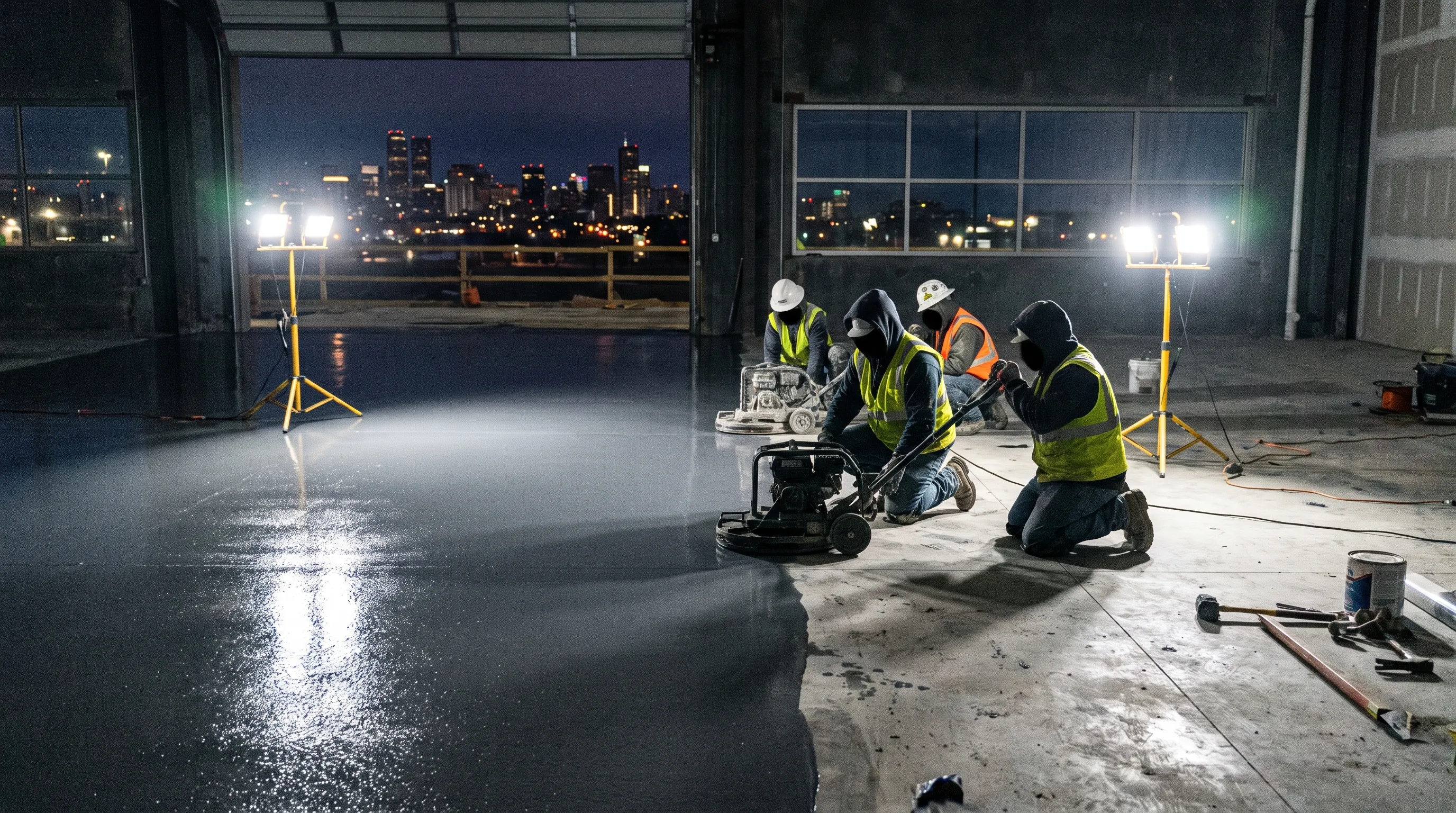
Fast-cure systems, phasing, and off-hours scheduling that keep your business running.
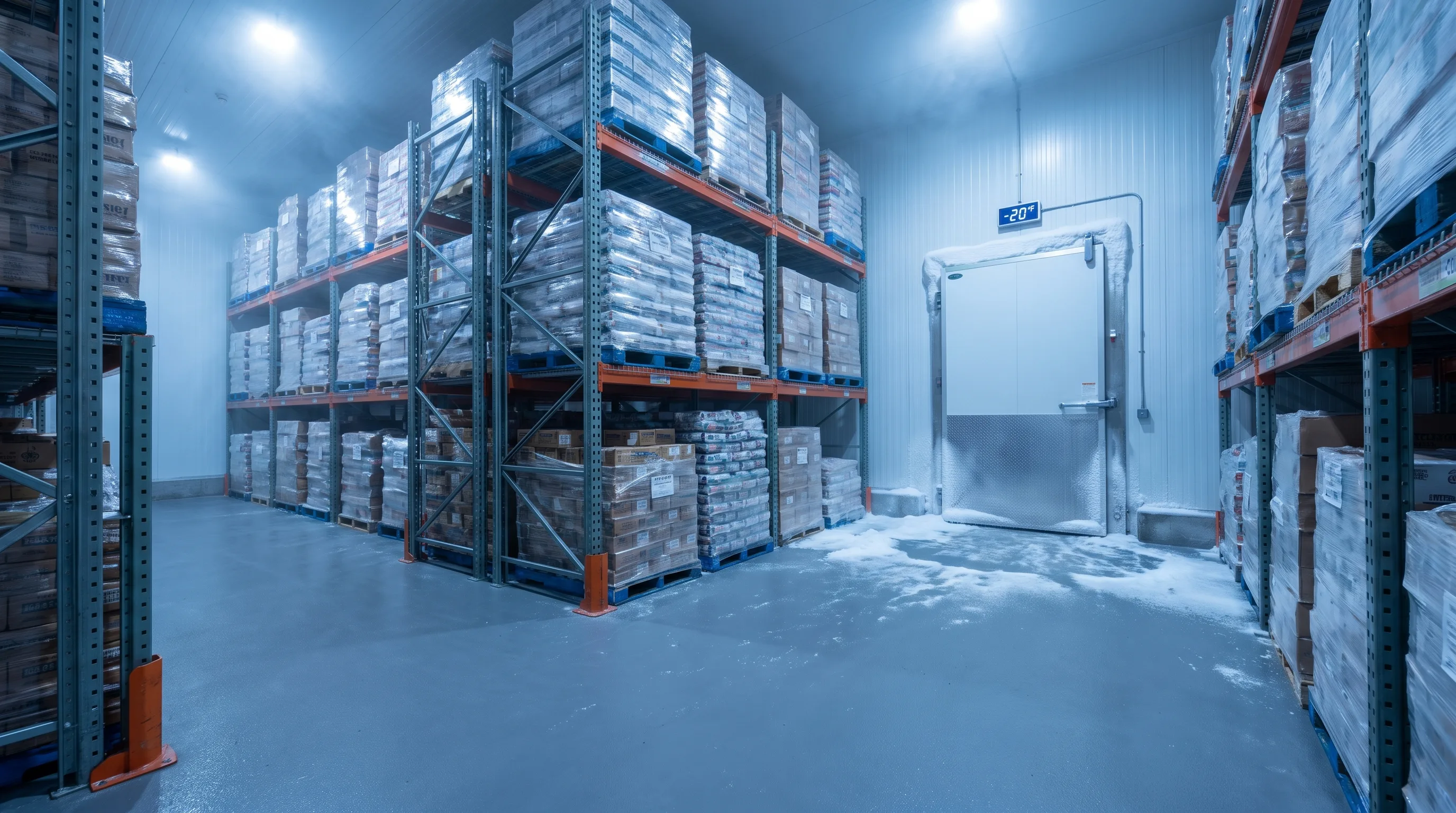
Thermal shock resistance and moisture management for refrigerated warehouse floors.
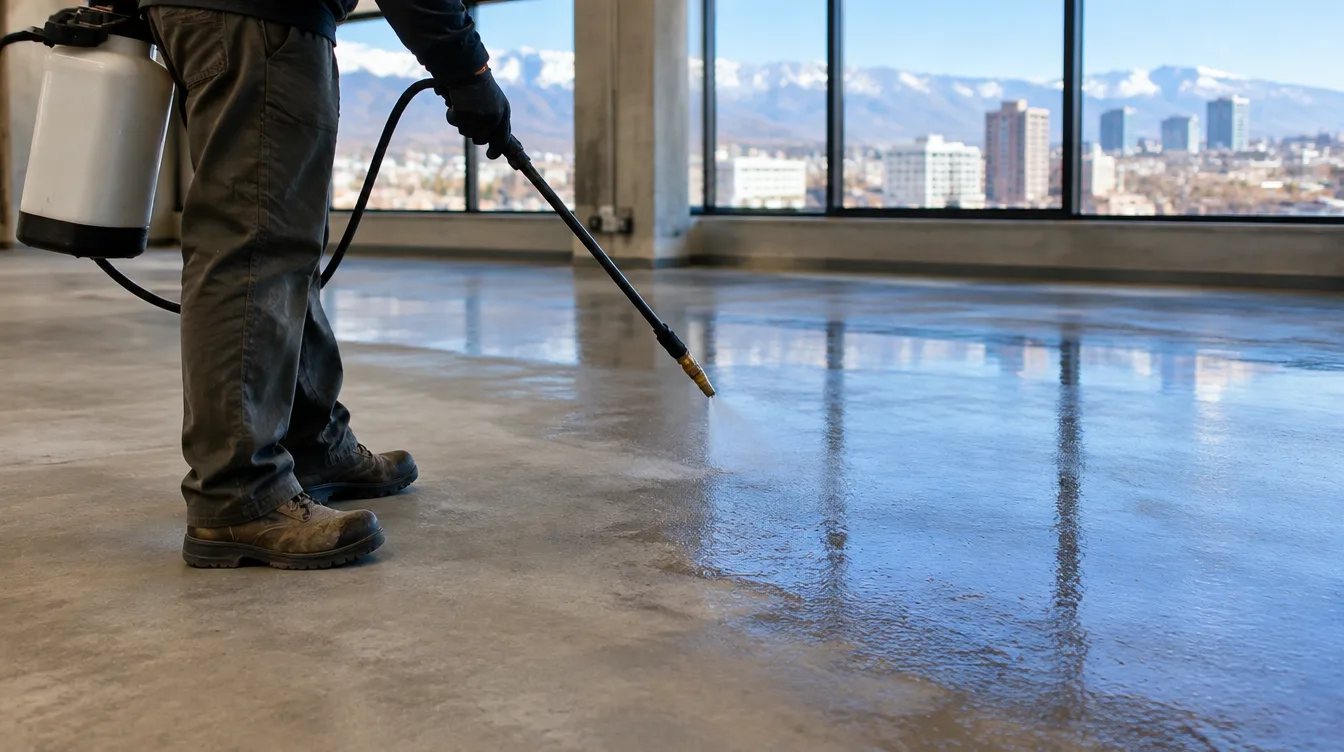
How densifier hardens concrete from within and what guard sealer actually protects against.
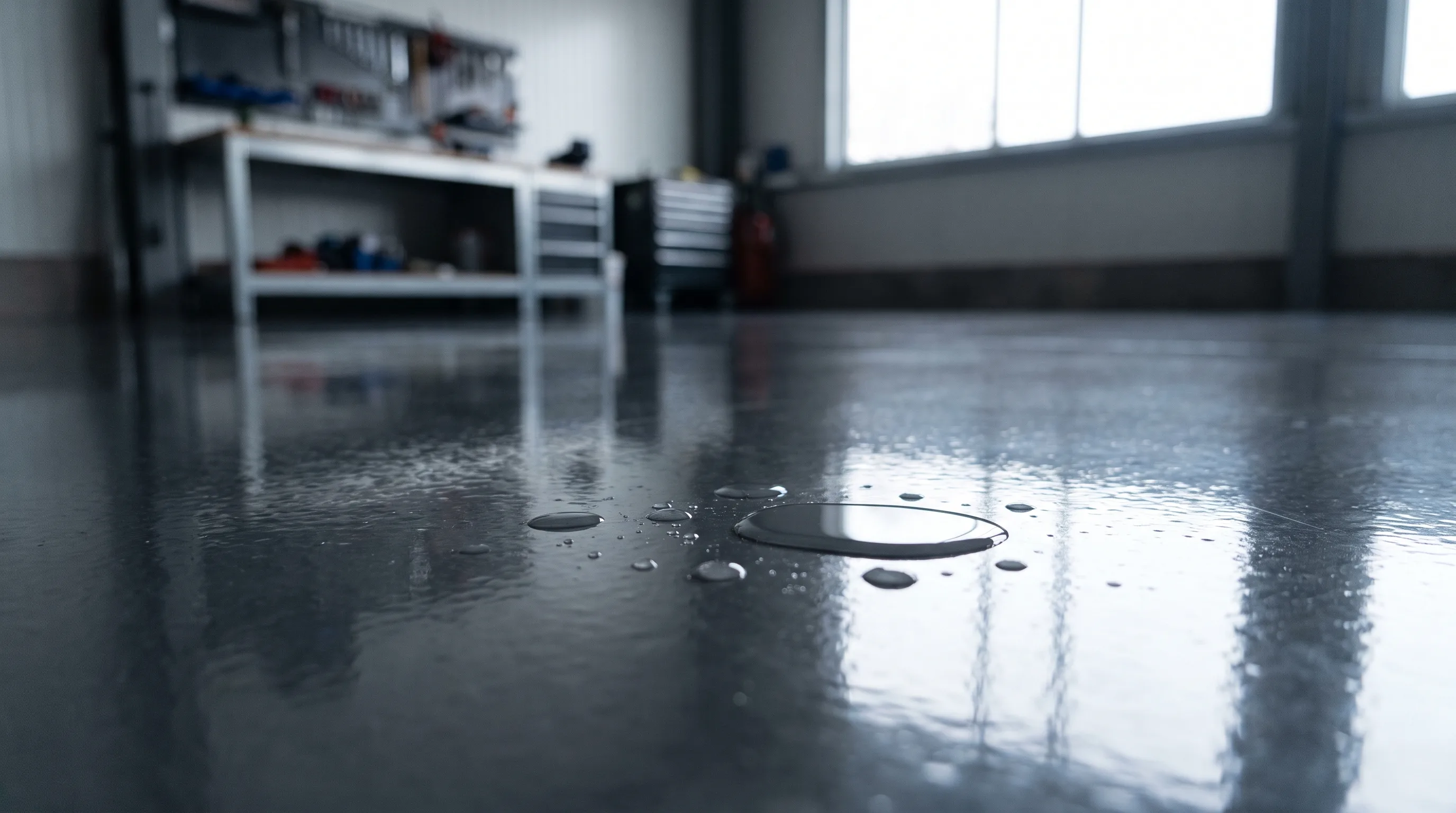
Road salt, mag chloride, oil, and household chemical resistance explained.
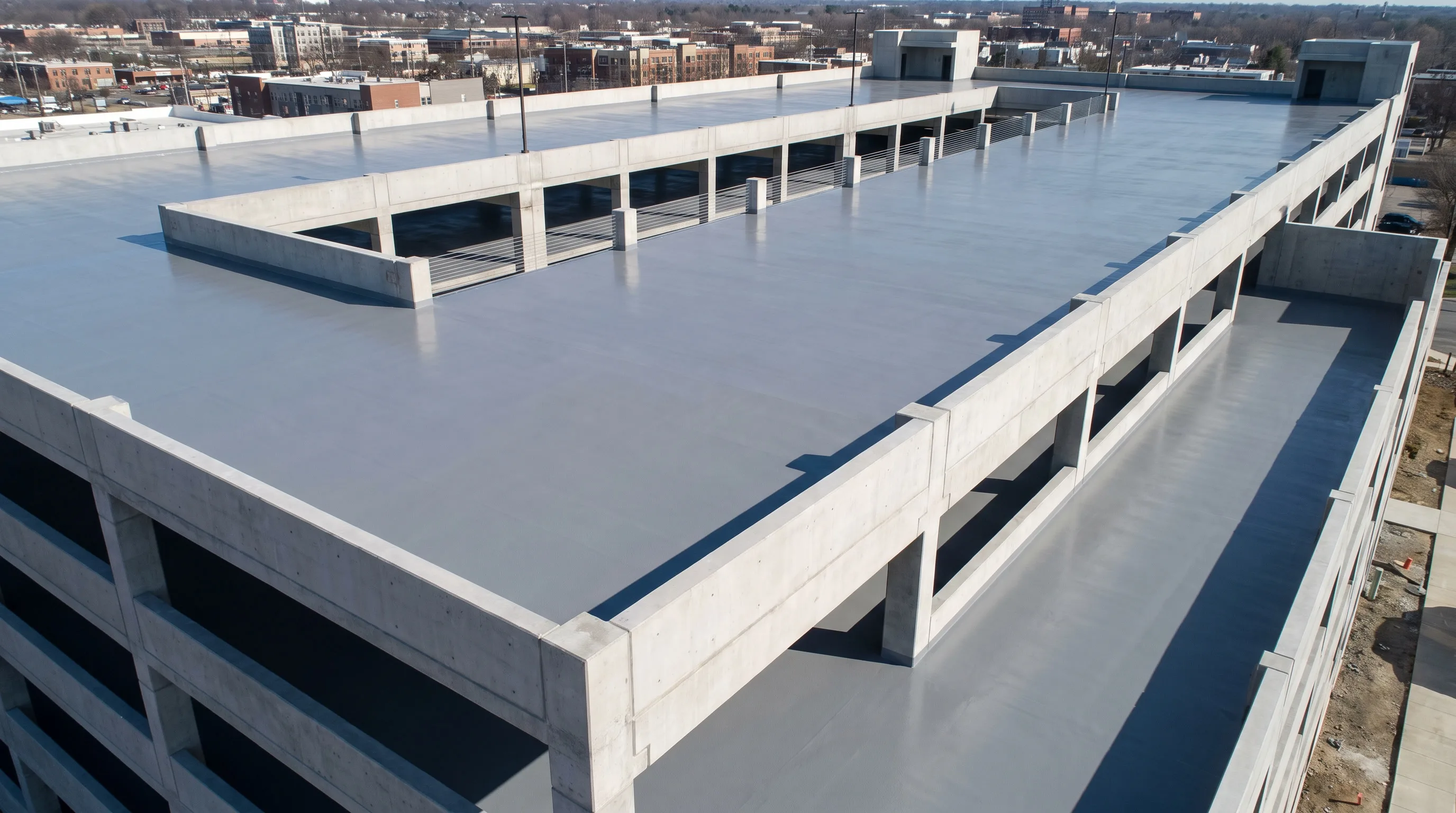
Waterproofing and traffic durability for parking, plaza, and rooftop decks.
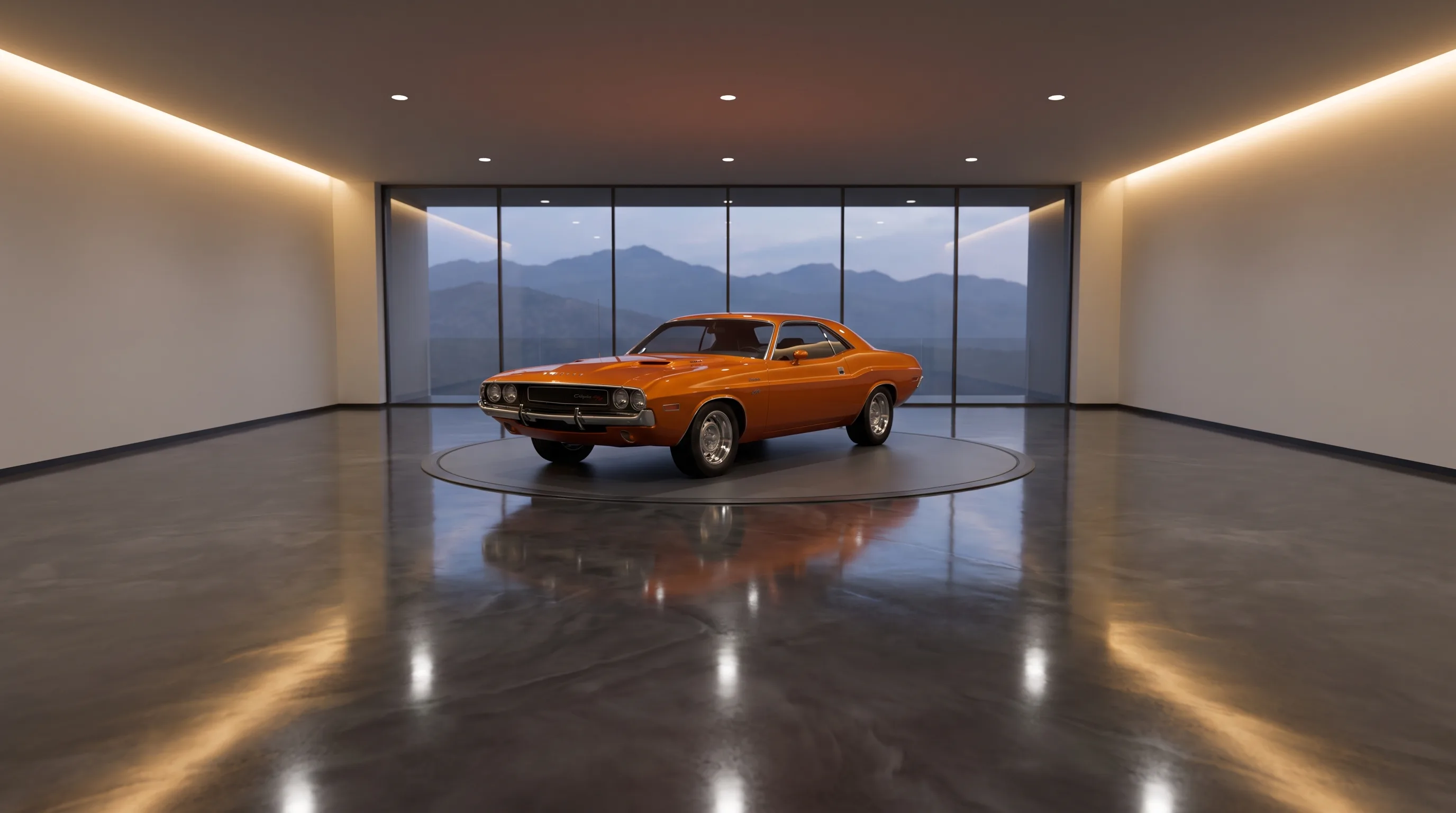
Showroom-quality finishes, chemical resistance, and long-term protection for serious collectors.
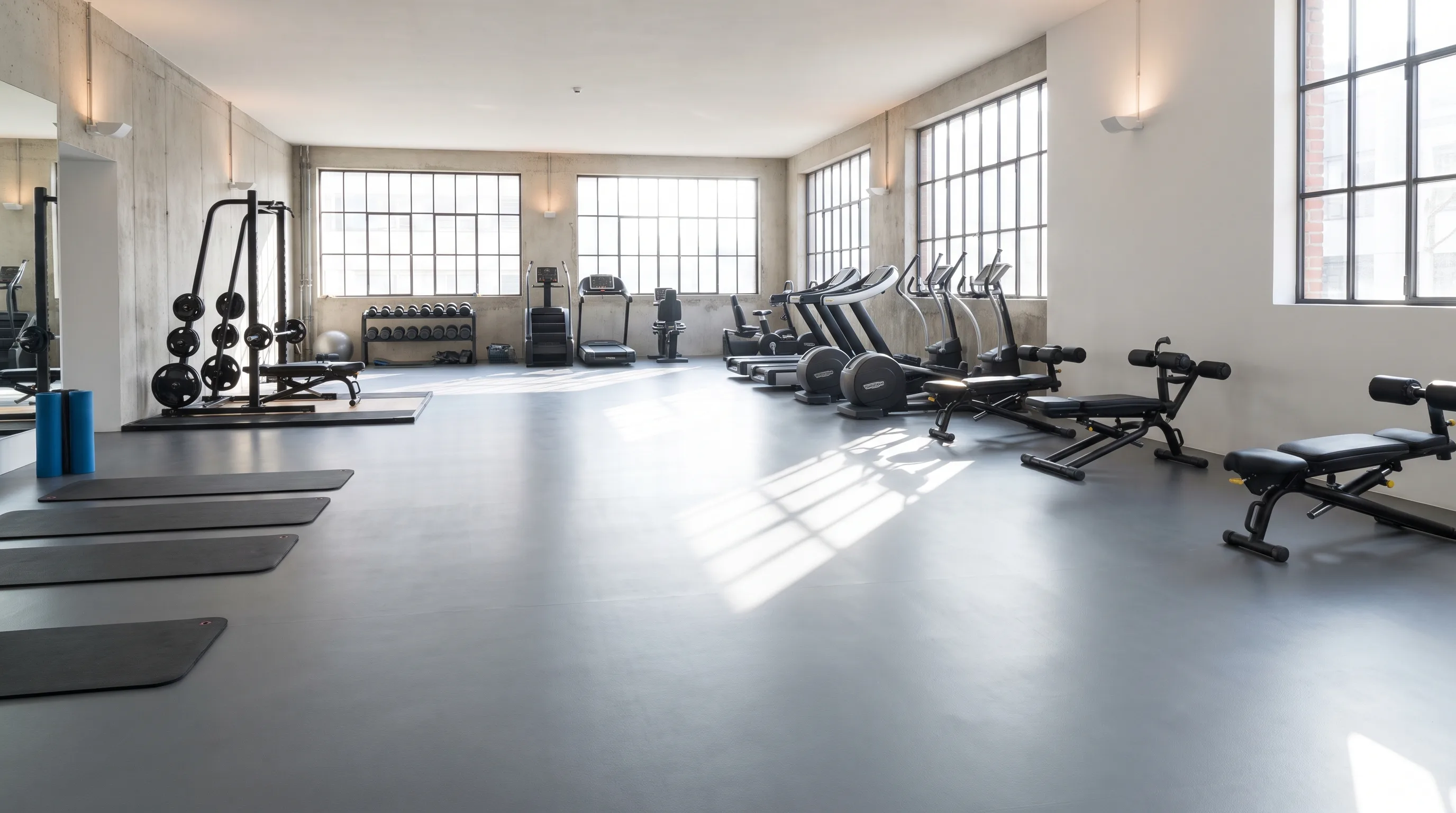
Impact resistance, slip resistance, and epoxy-rubber zone combinations for gyms.
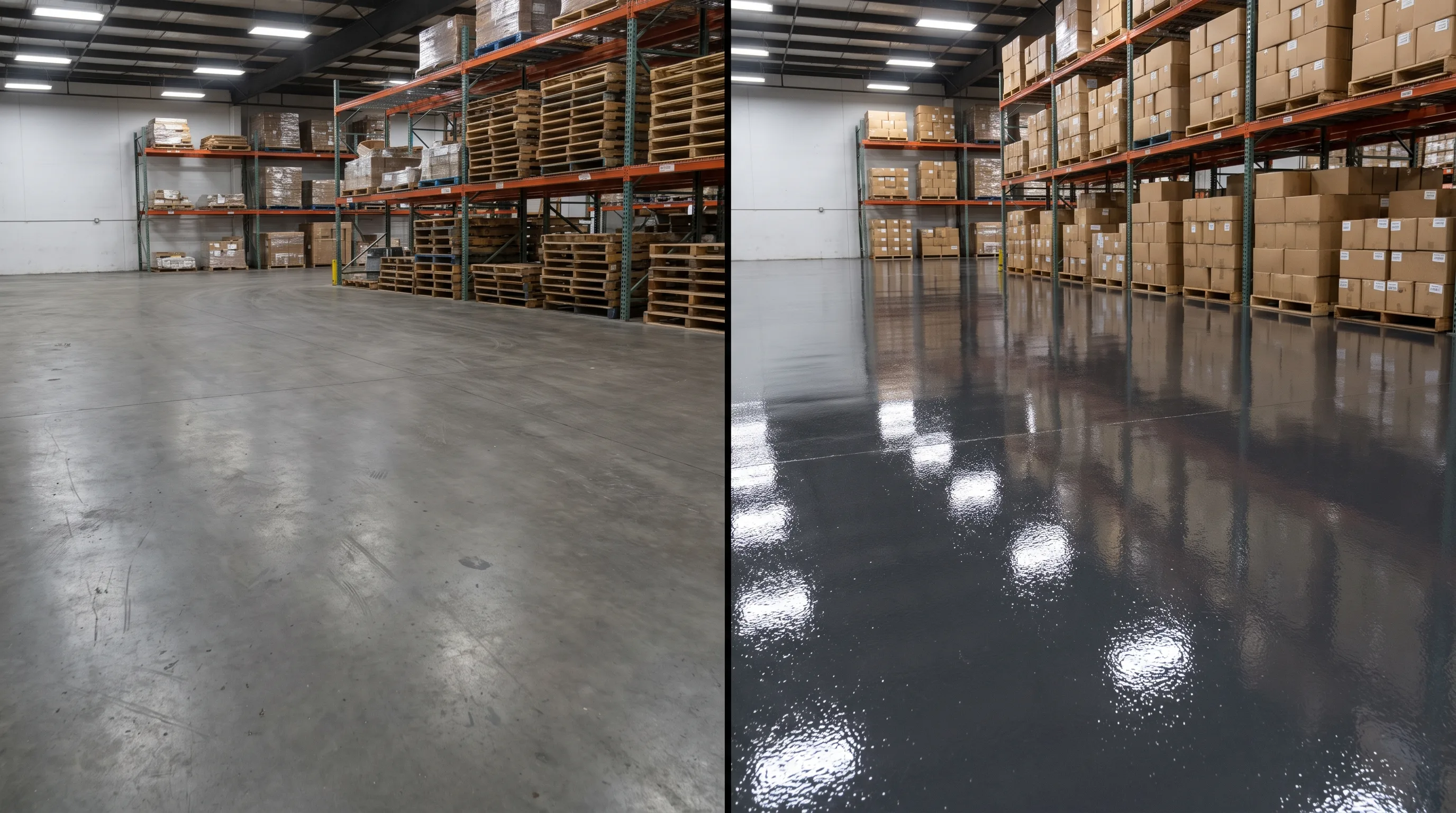
Cost, durability, and dust control compared for facility managers.
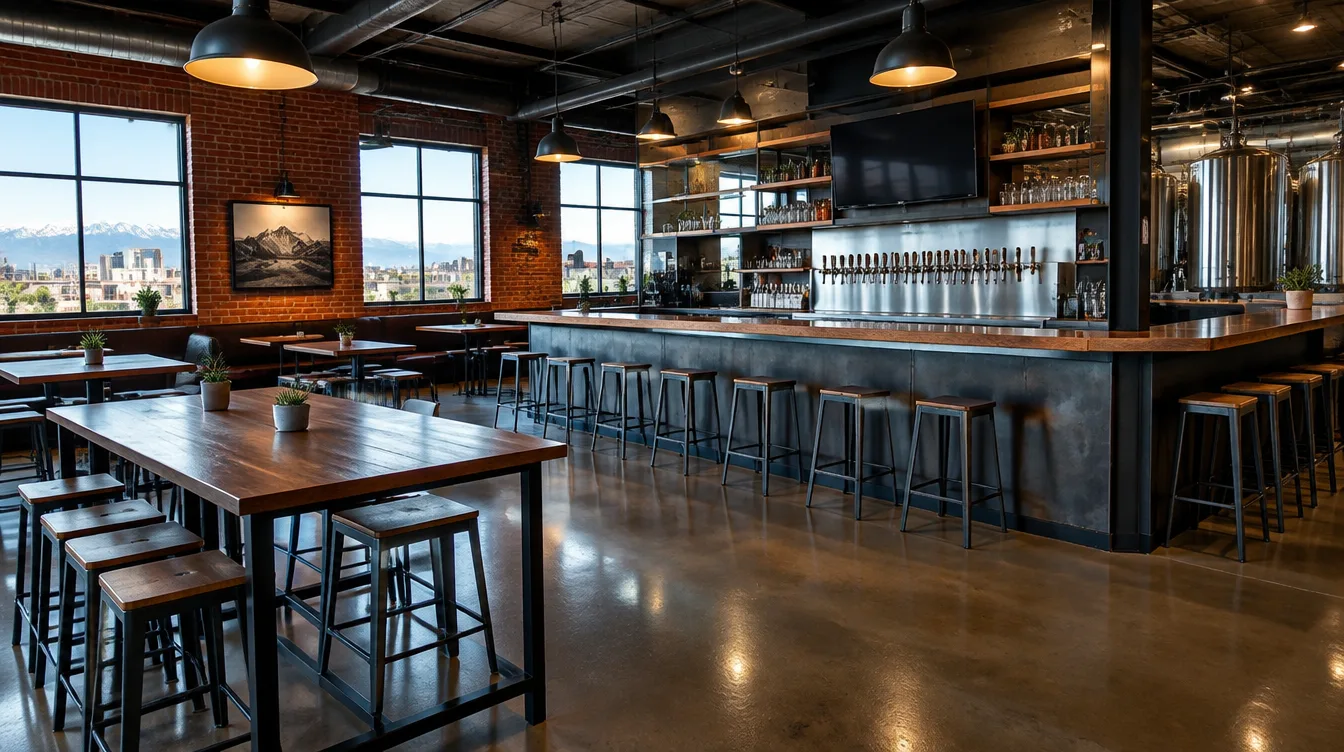
Durable, food-safe, low-maintenance flooring for Denver taprooms and restaurants.
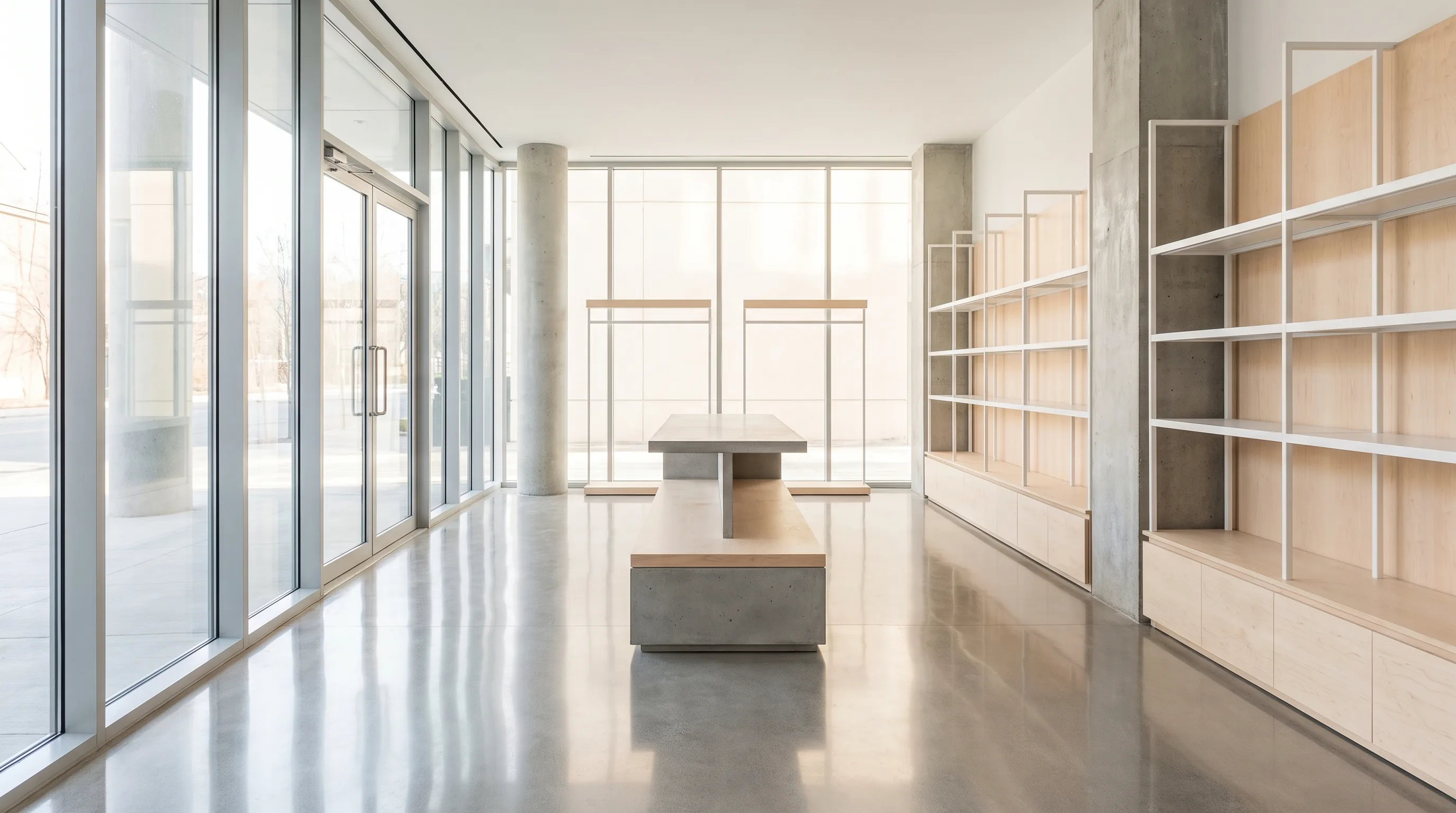
Overnight install, high-gloss finish, and durability for daily retail traffic.

2026 pricing for parking structures, industrial, and specialty polyurea applications.
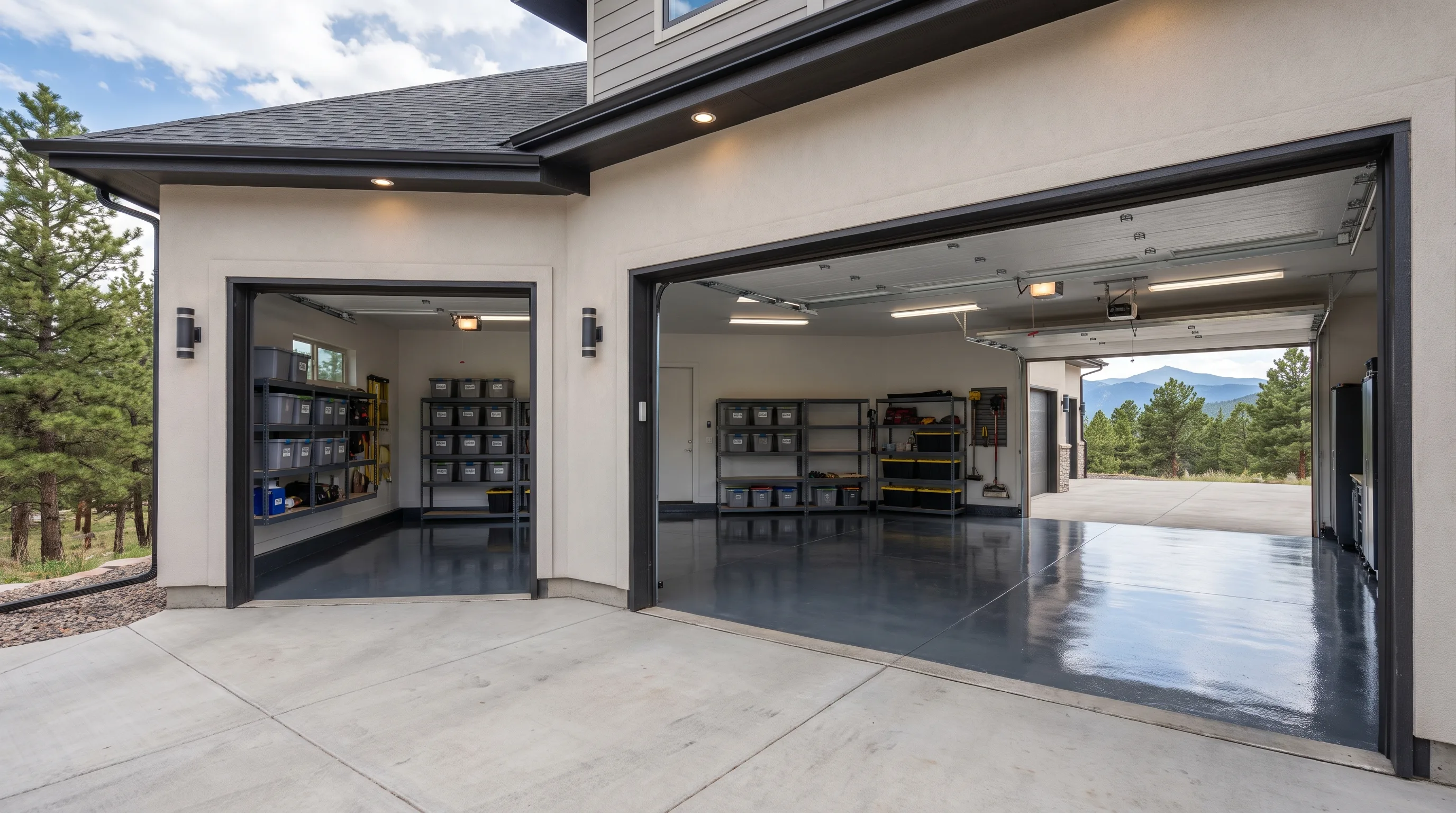
1-car, 2-car, 3-car, and RV bay pricing breakdown for 2026.
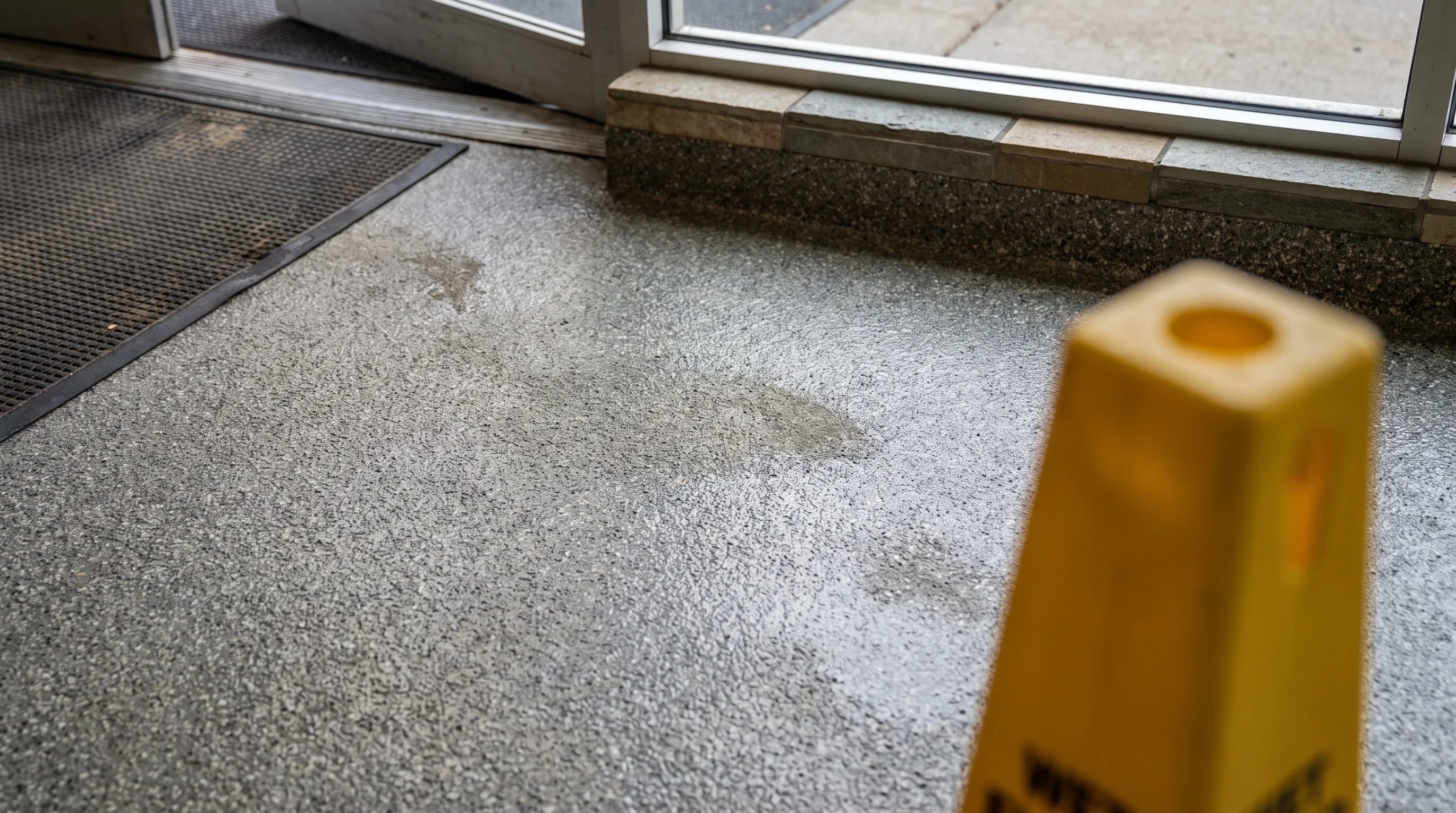
ADA and OSHA standards, aggregate additives, and testing.
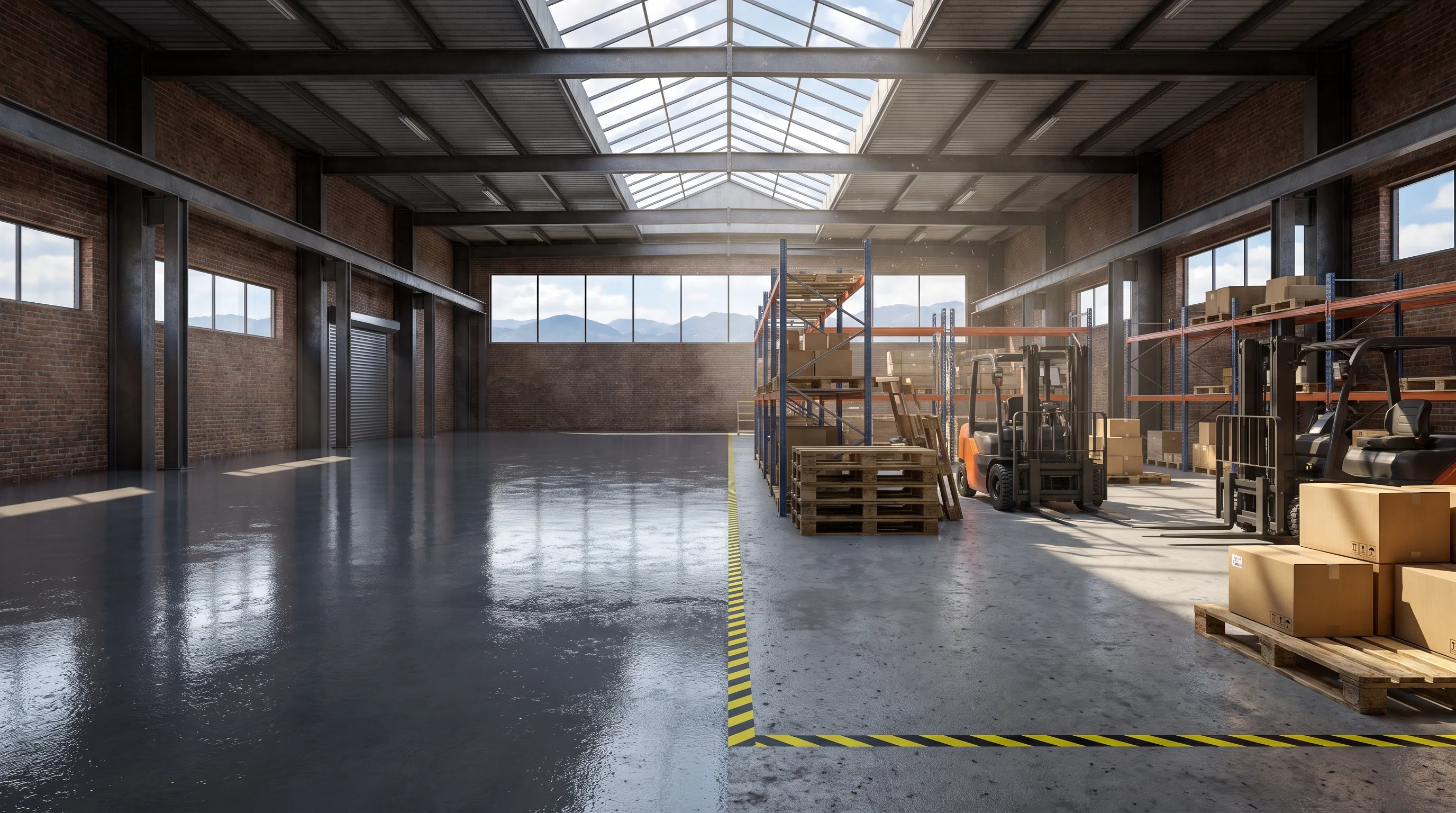
How Denver warehouses get new floors without shutting down.
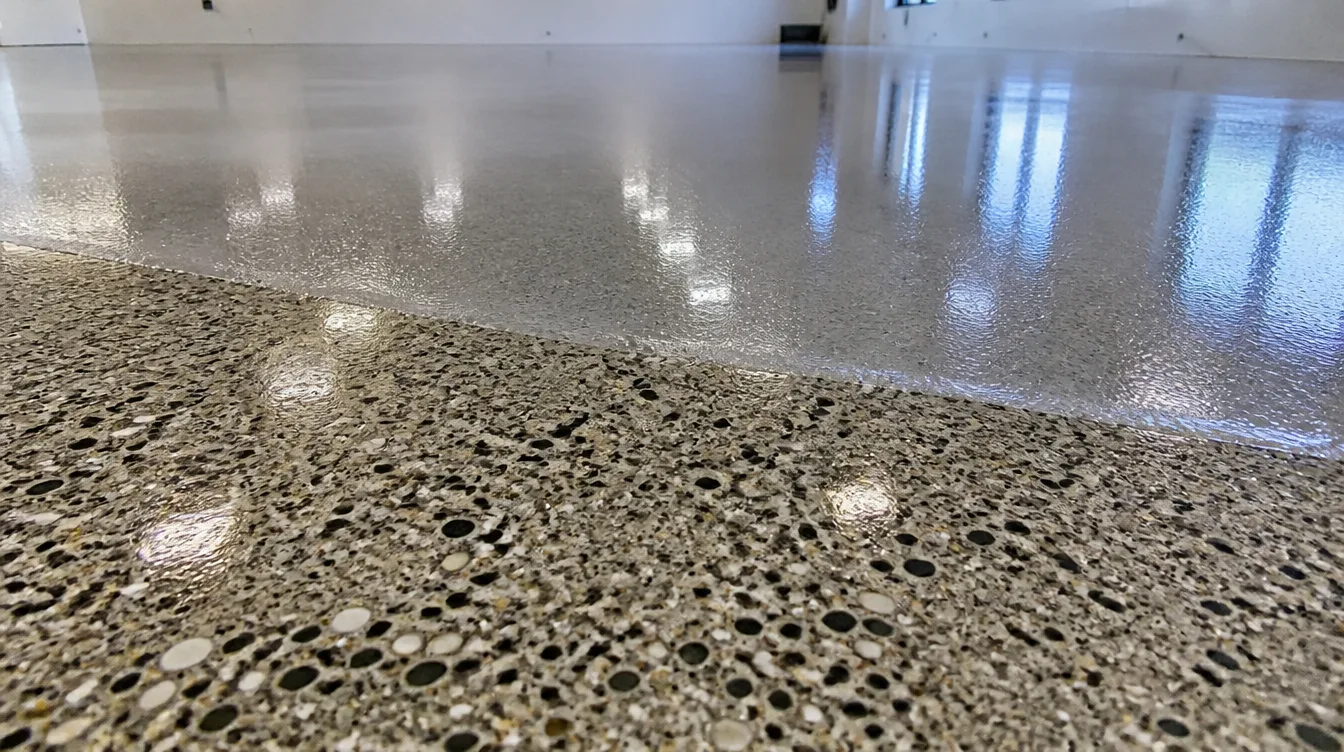
Cream, salt & pepper, medium, and full aggregate finishes explained.
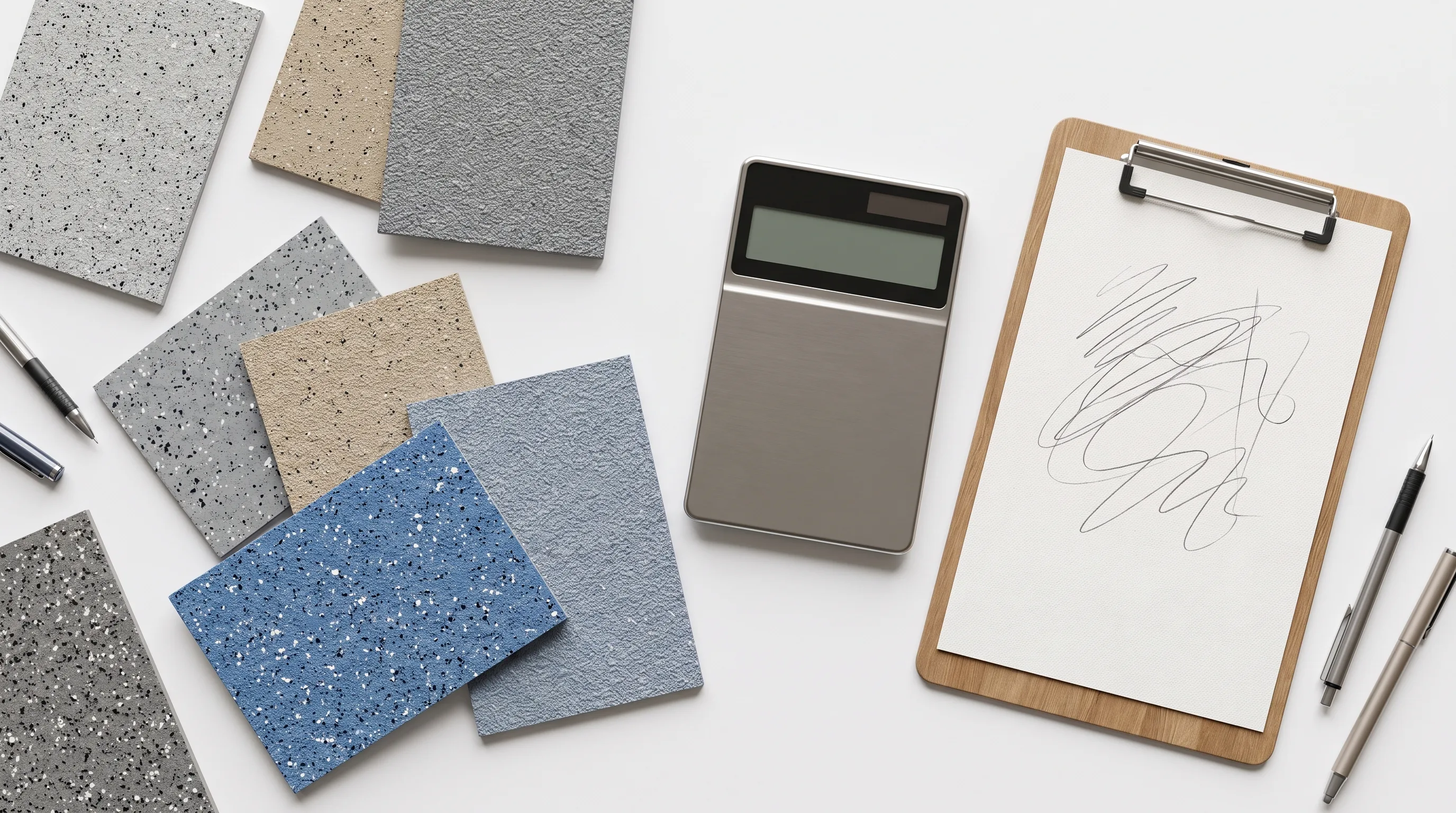
Residential and commercial pricing by system and square footage.
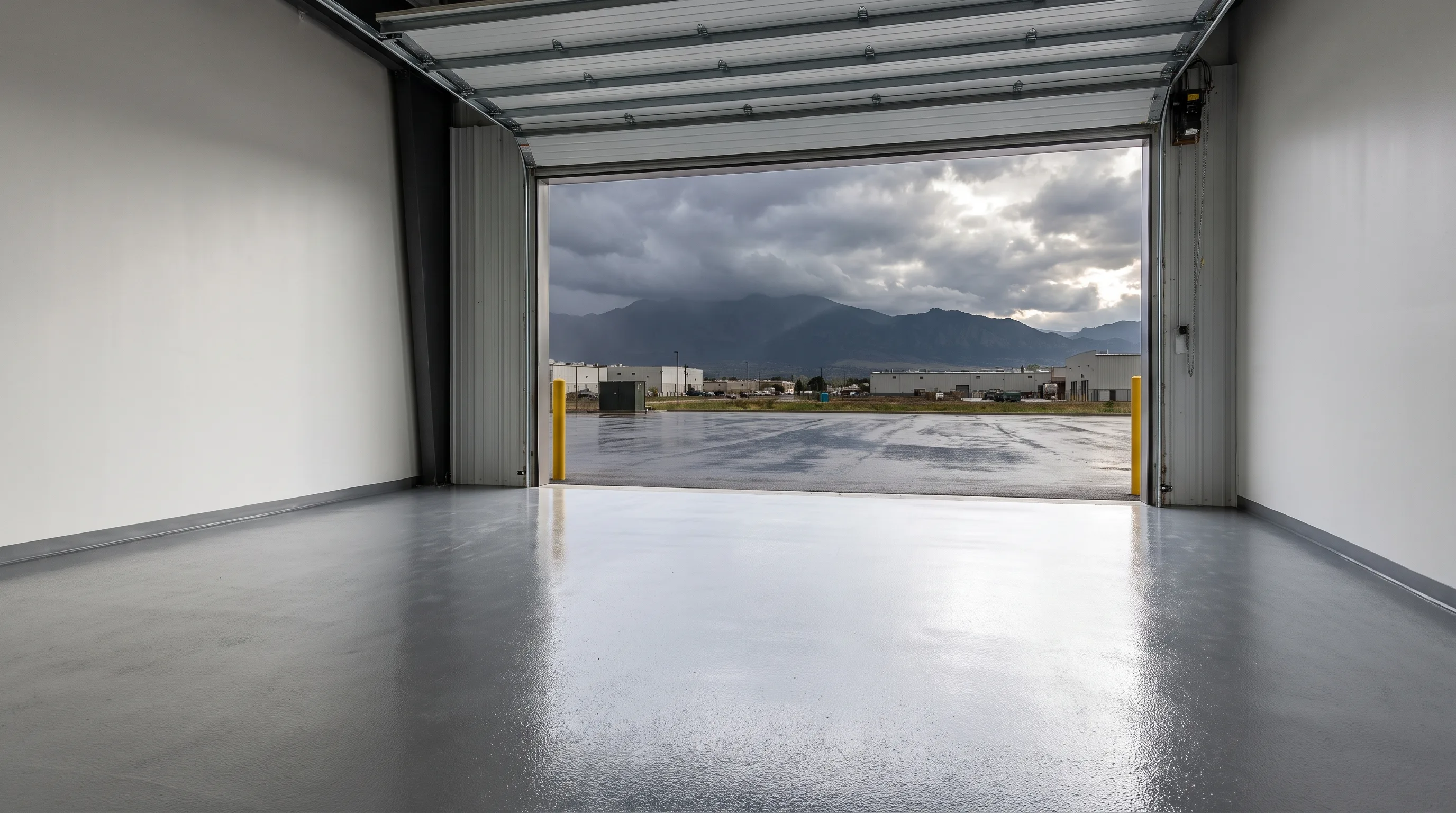
Why flexibility handles Denver's extreme temperature swings better than rigid coatings.
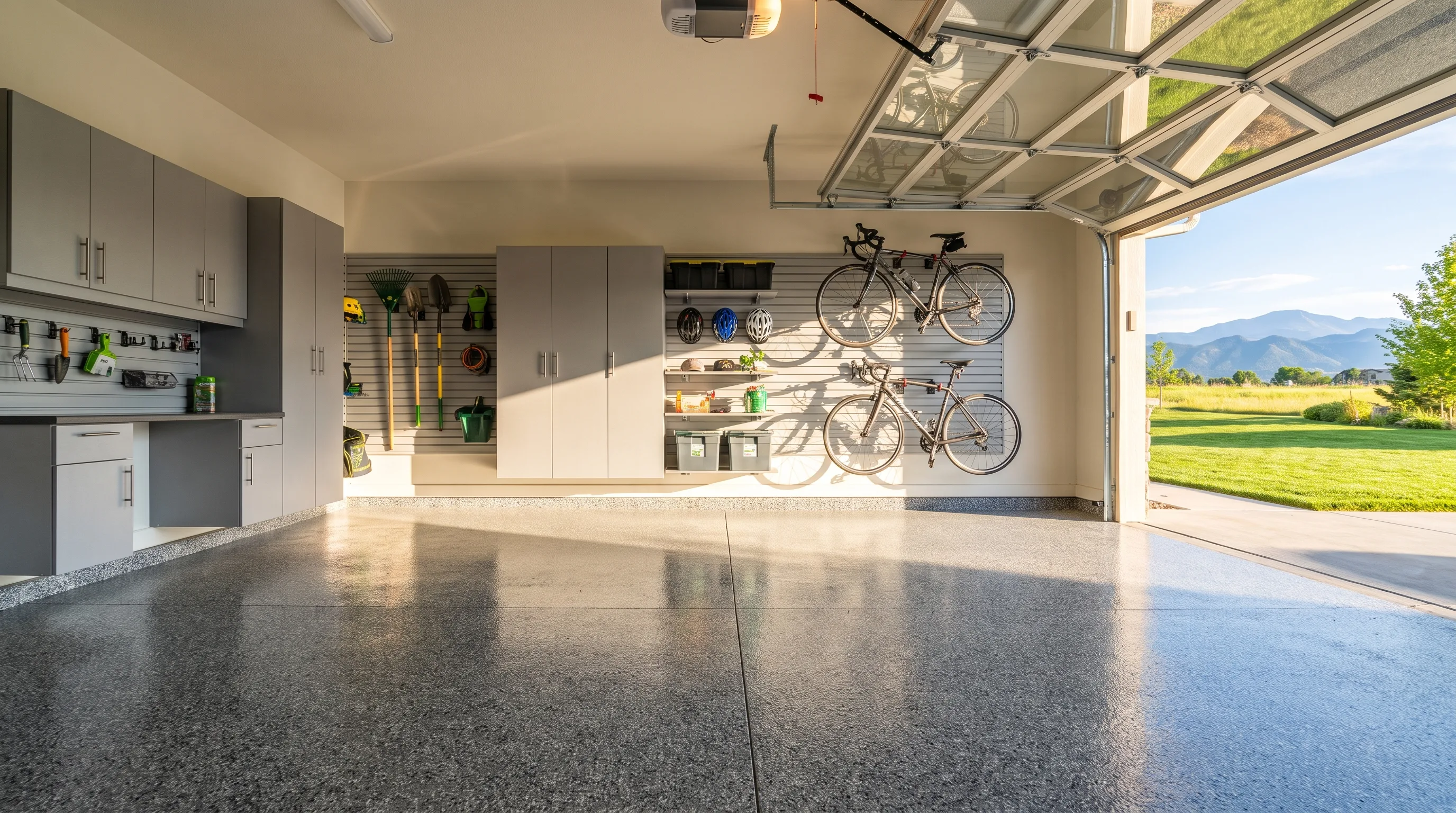
What buyers notice and how it compares to other upgrades before you list.
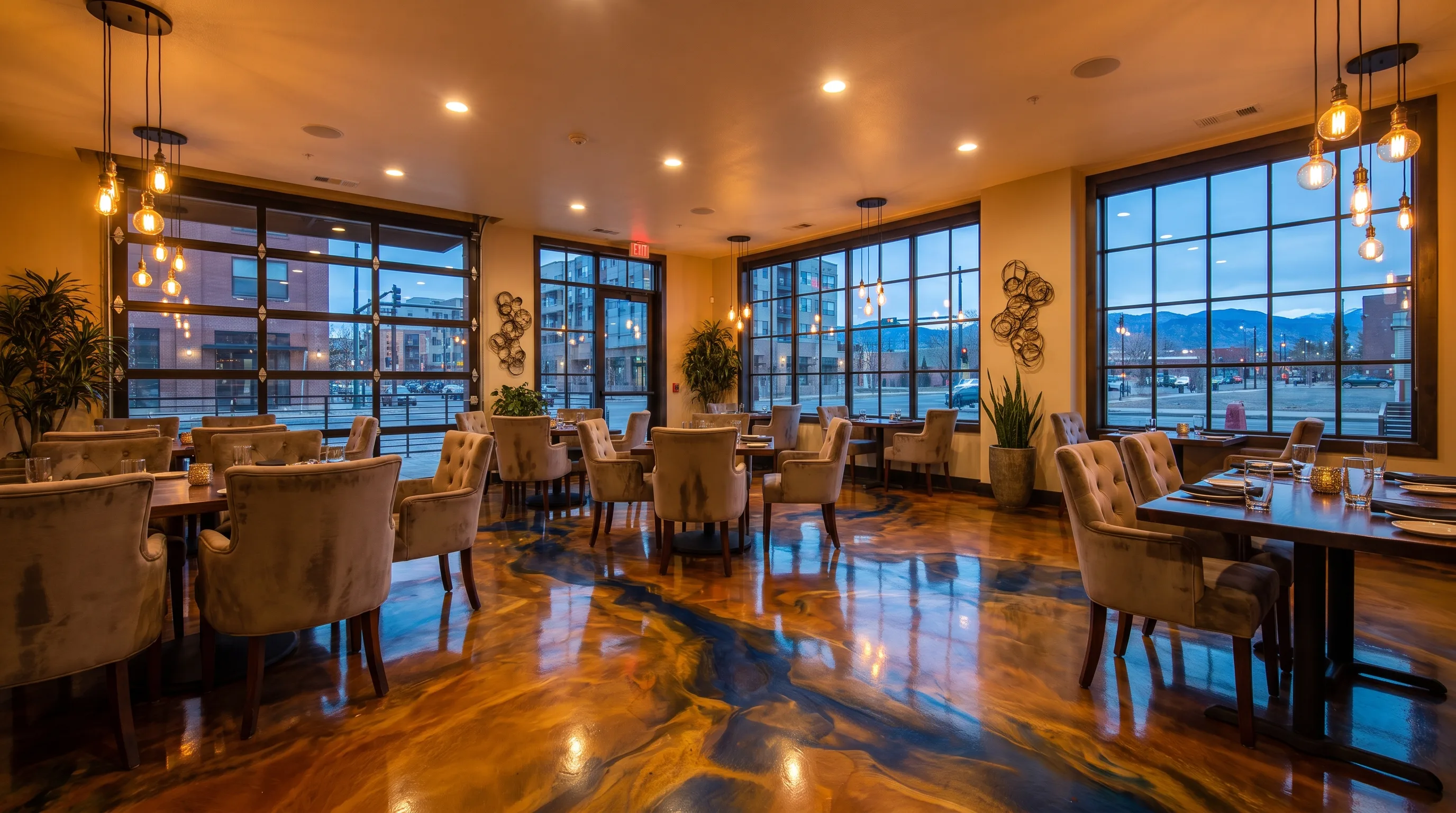
Front-of-house and kitchen options, health code compliance, fast install.
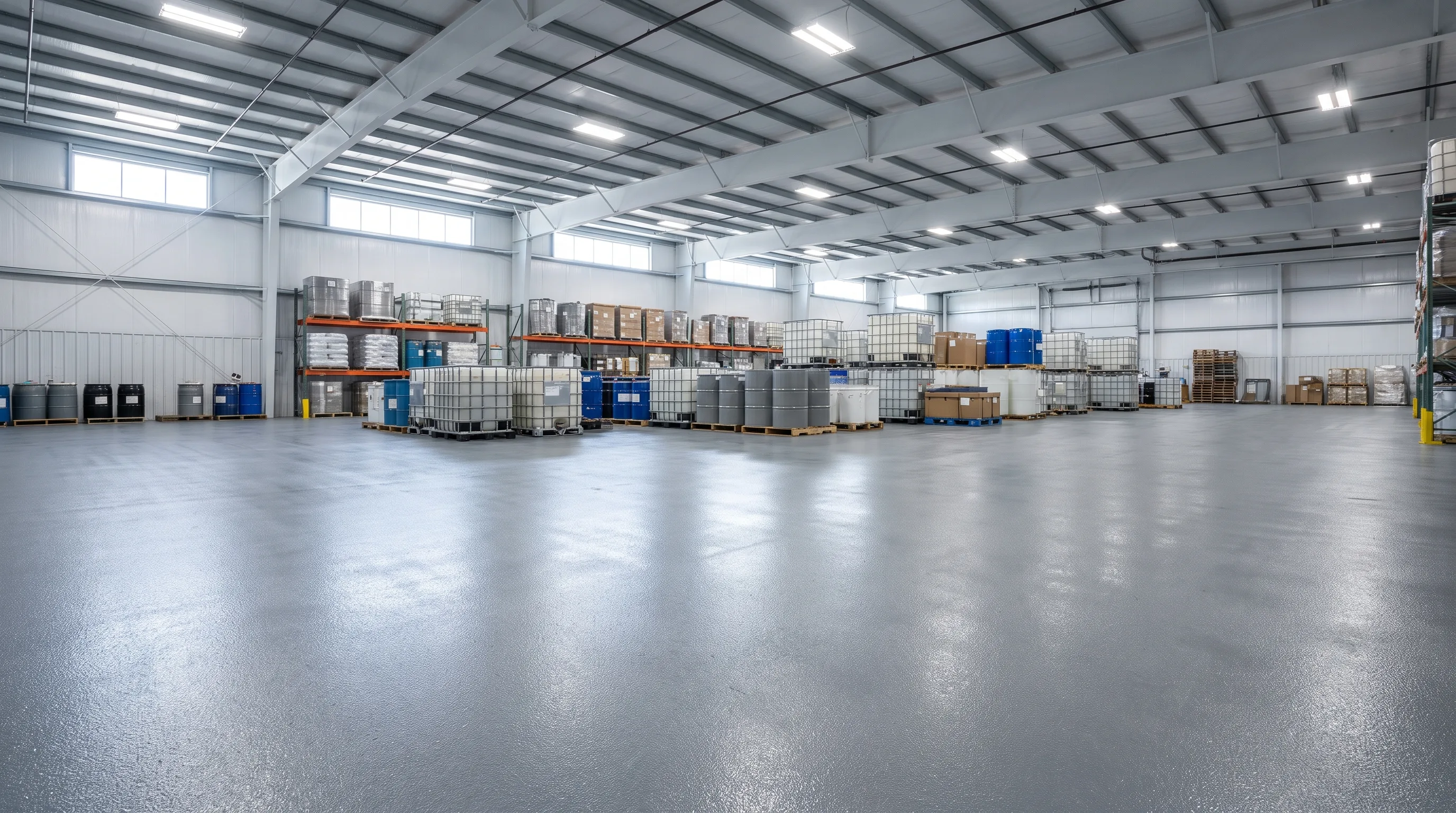
Matching coating chemistry to your facility's actual exposure profile.
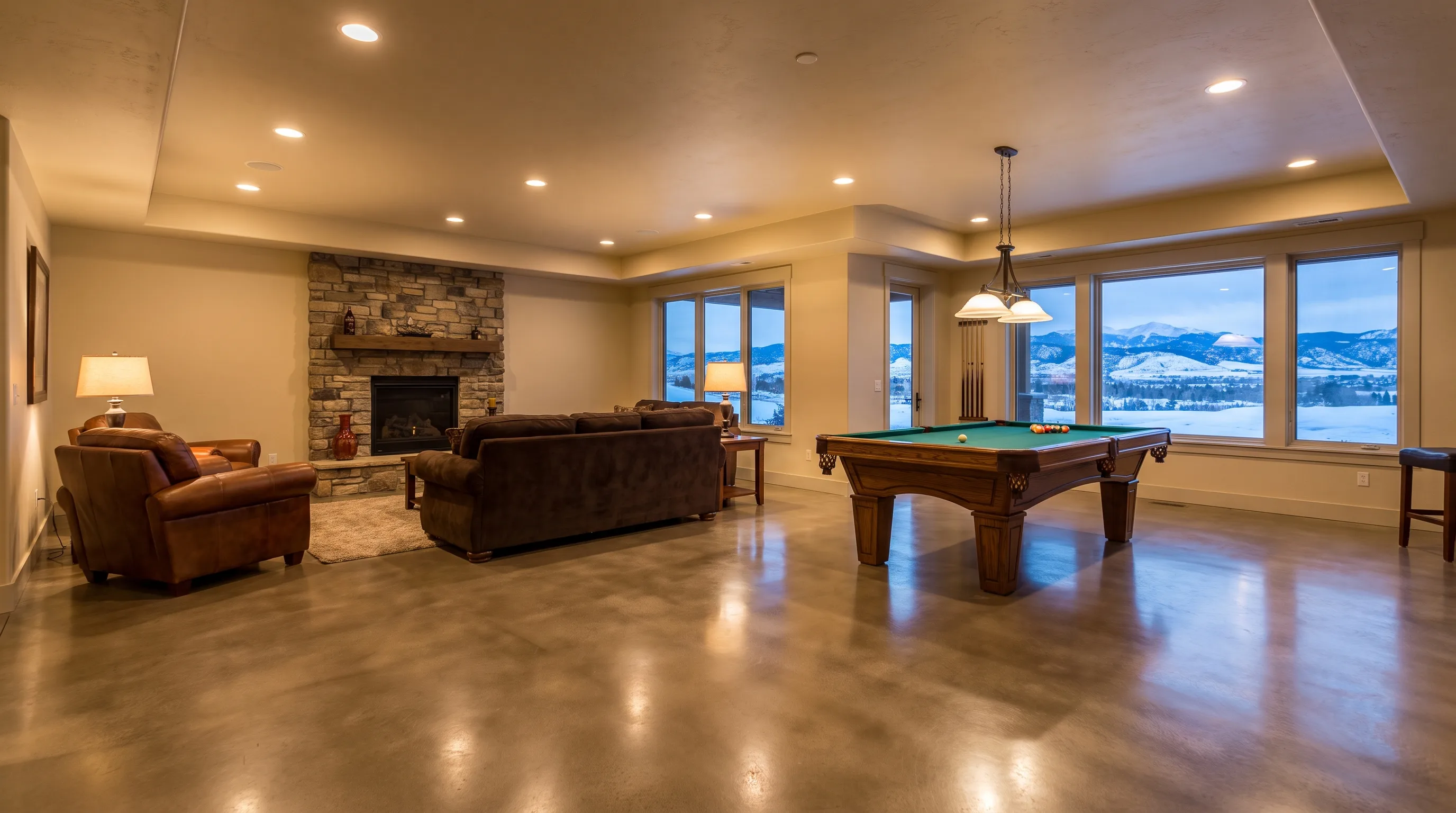
Moisture-tolerant, durable, and a modern finish for finished or unfinished lower levels.
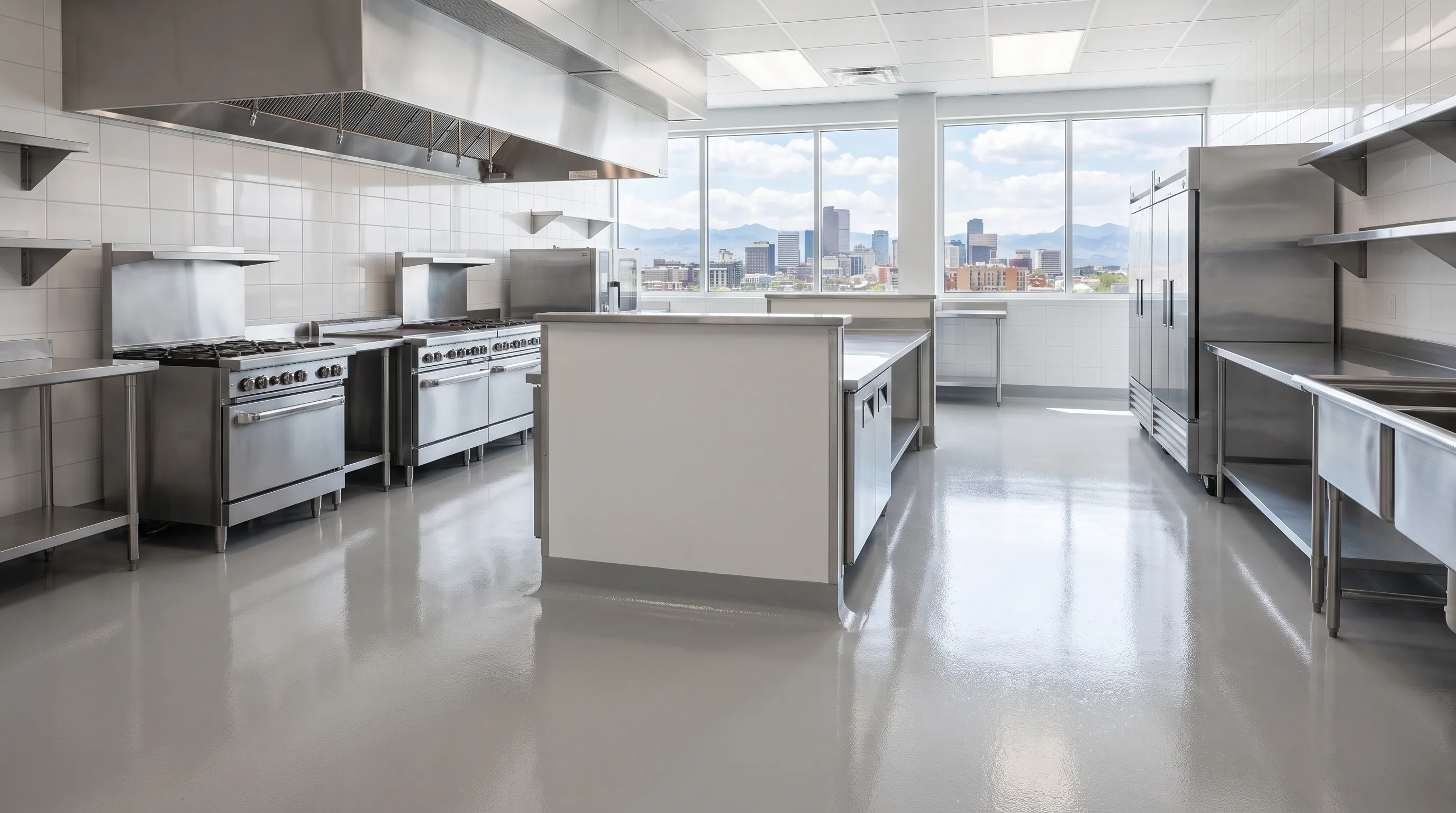
Thermal shock resistance, fast overnight install, NSF-compliant options.
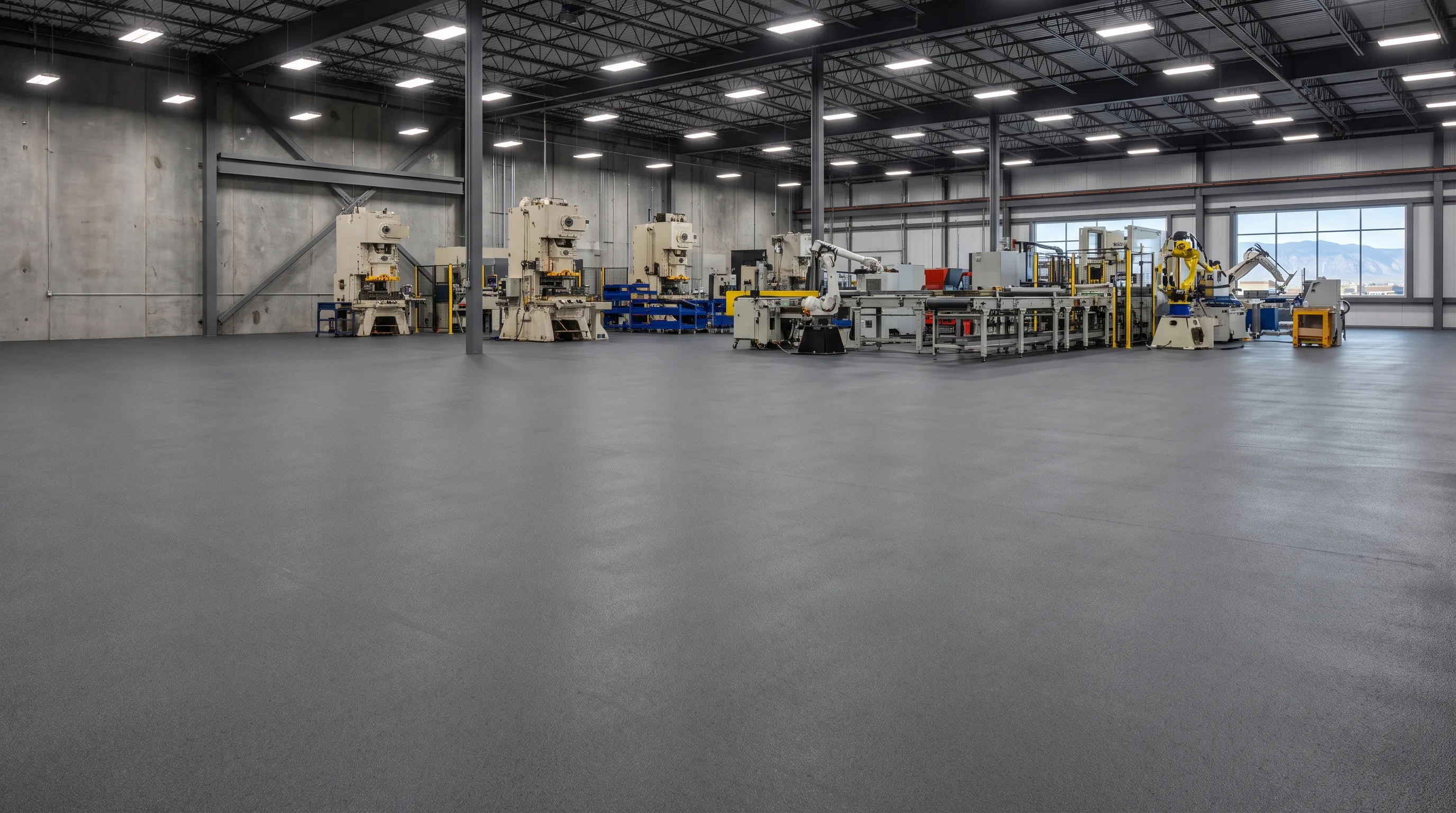
Abrasion resistance, chemical tolerance, and fast-cure minimal downtime.
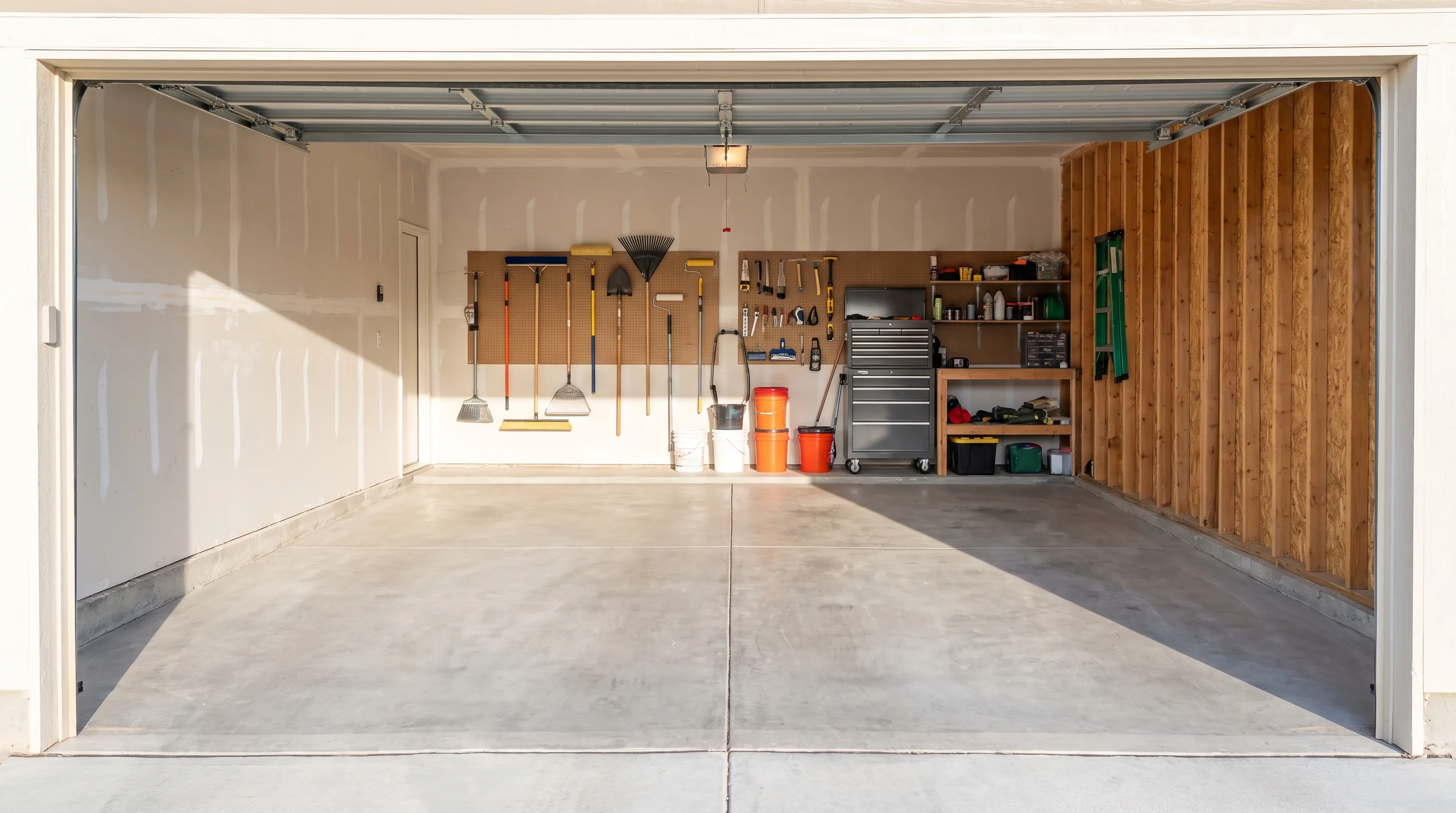
What to clear out, what the crew handles, and the full prep-to-finish timeline.
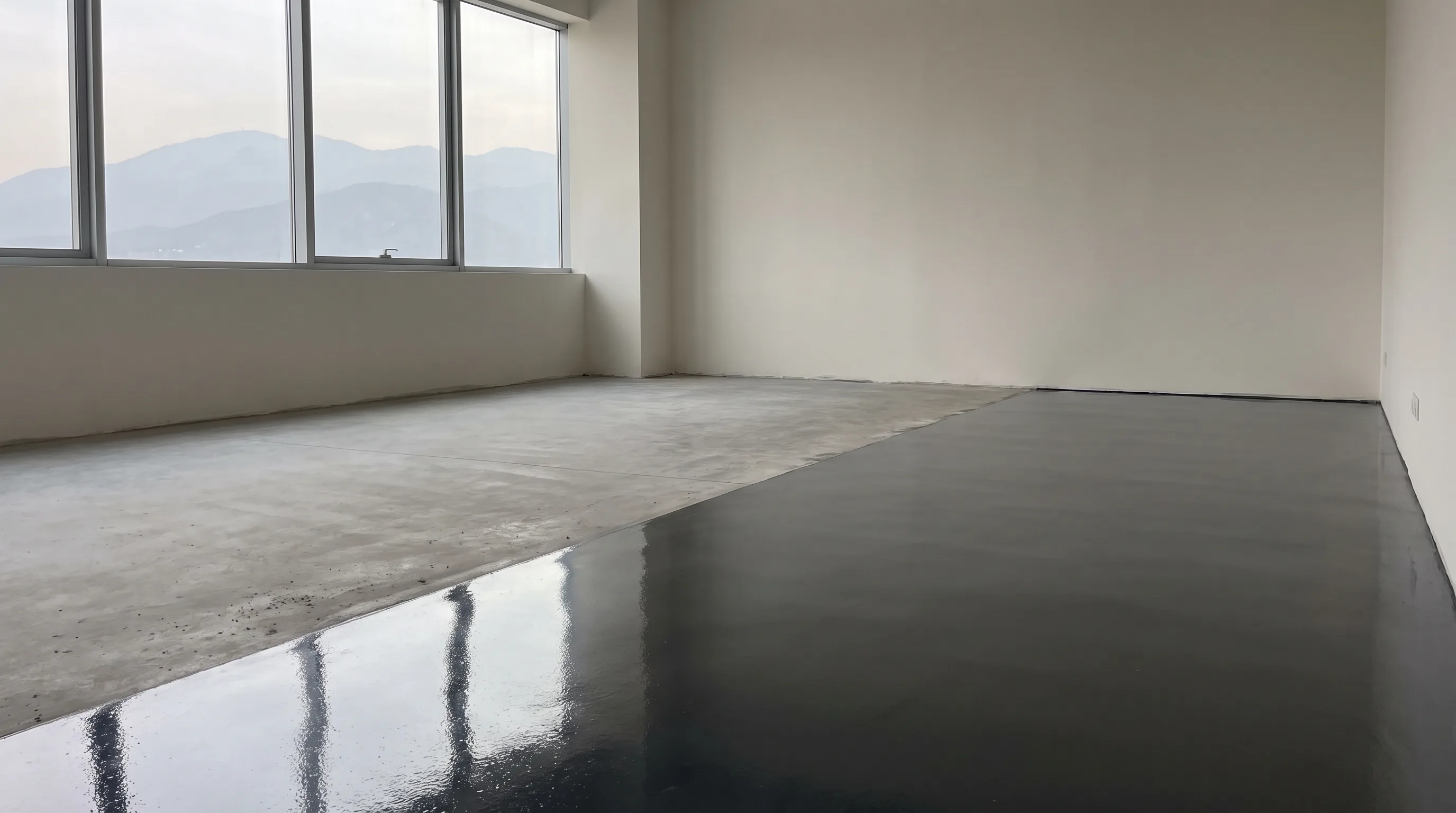
A day-by-day breakdown of prep, coating, cure, and reopening.
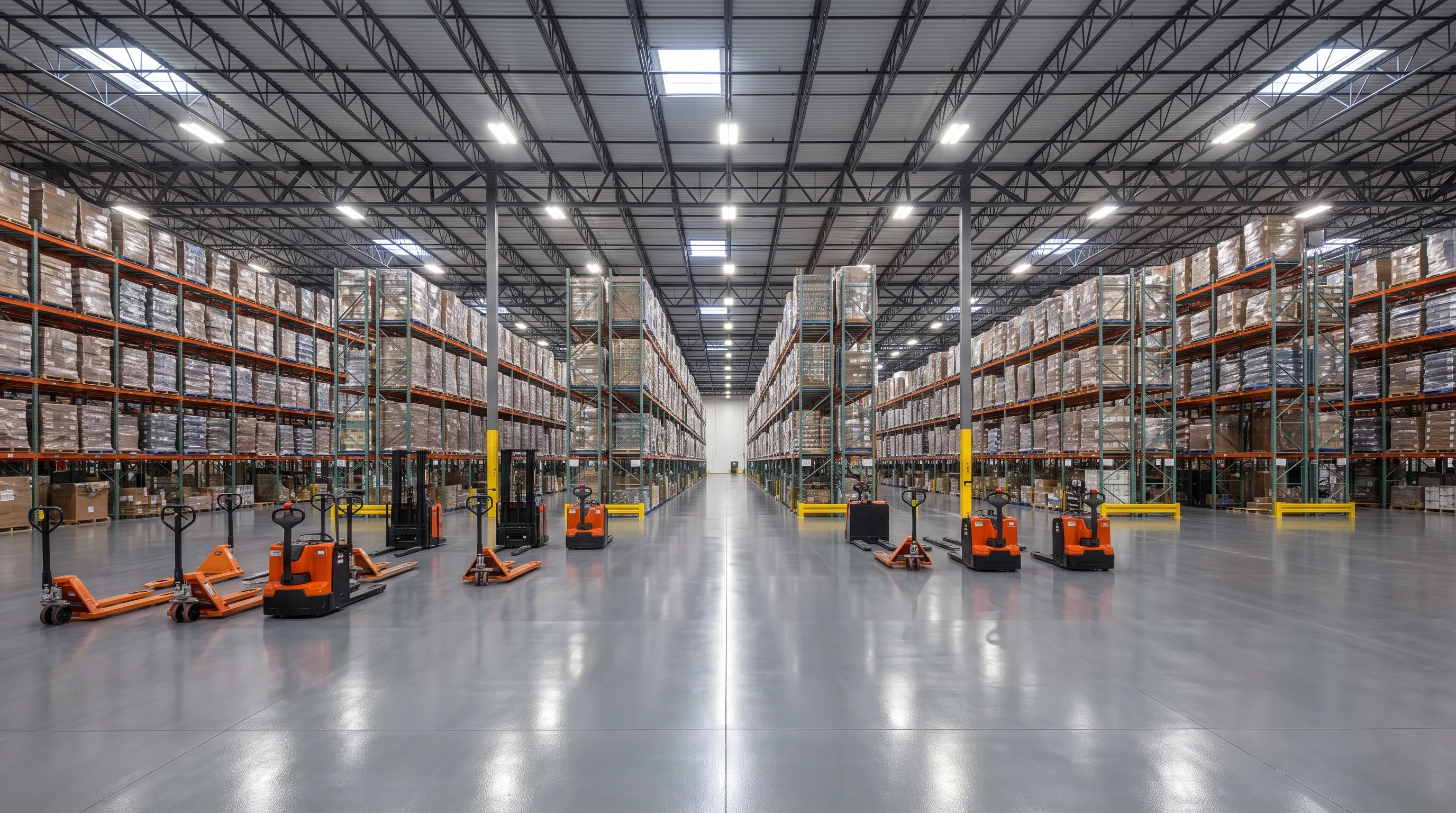
High-volume traffic, racking loads, and fast turnaround installs.
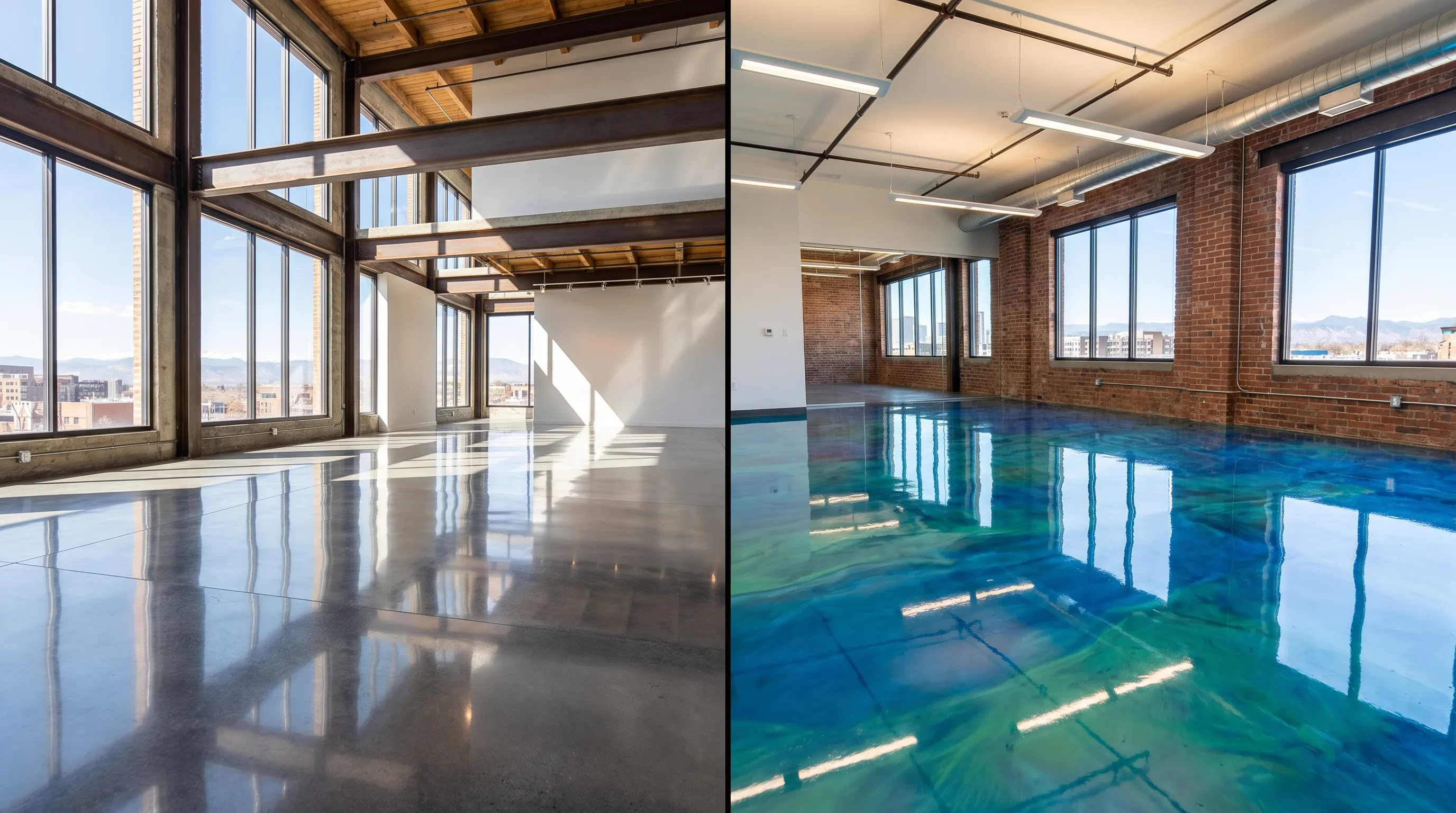
Upfront price, lifespan, and 10-year maintenance cost compared side by side.
Why polyaspartic resists yellowing at Denver's altitude - the chemistry explained.
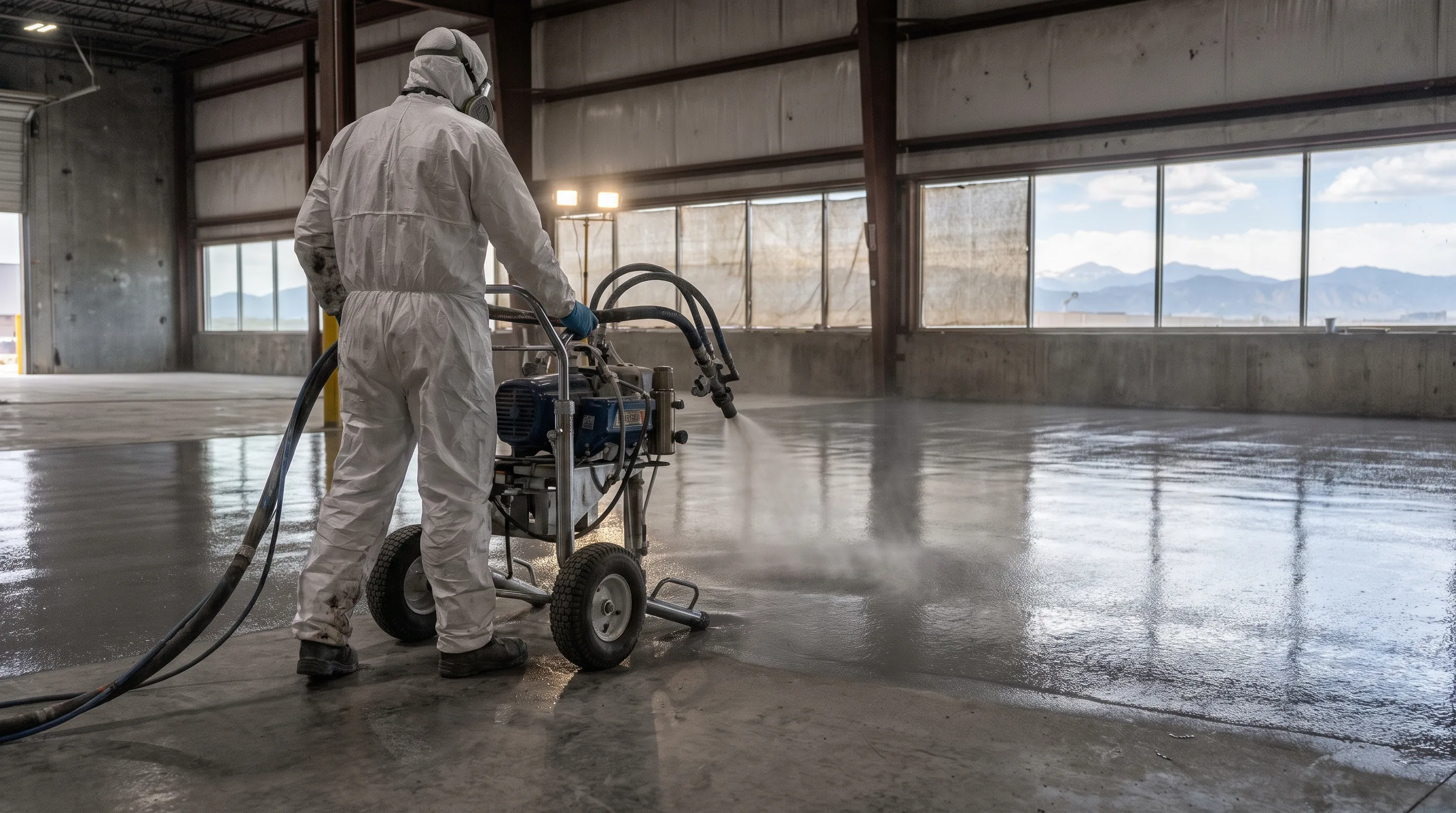
Tack-free in minutes - how polyurea's chemistry minimizes facility downtime.
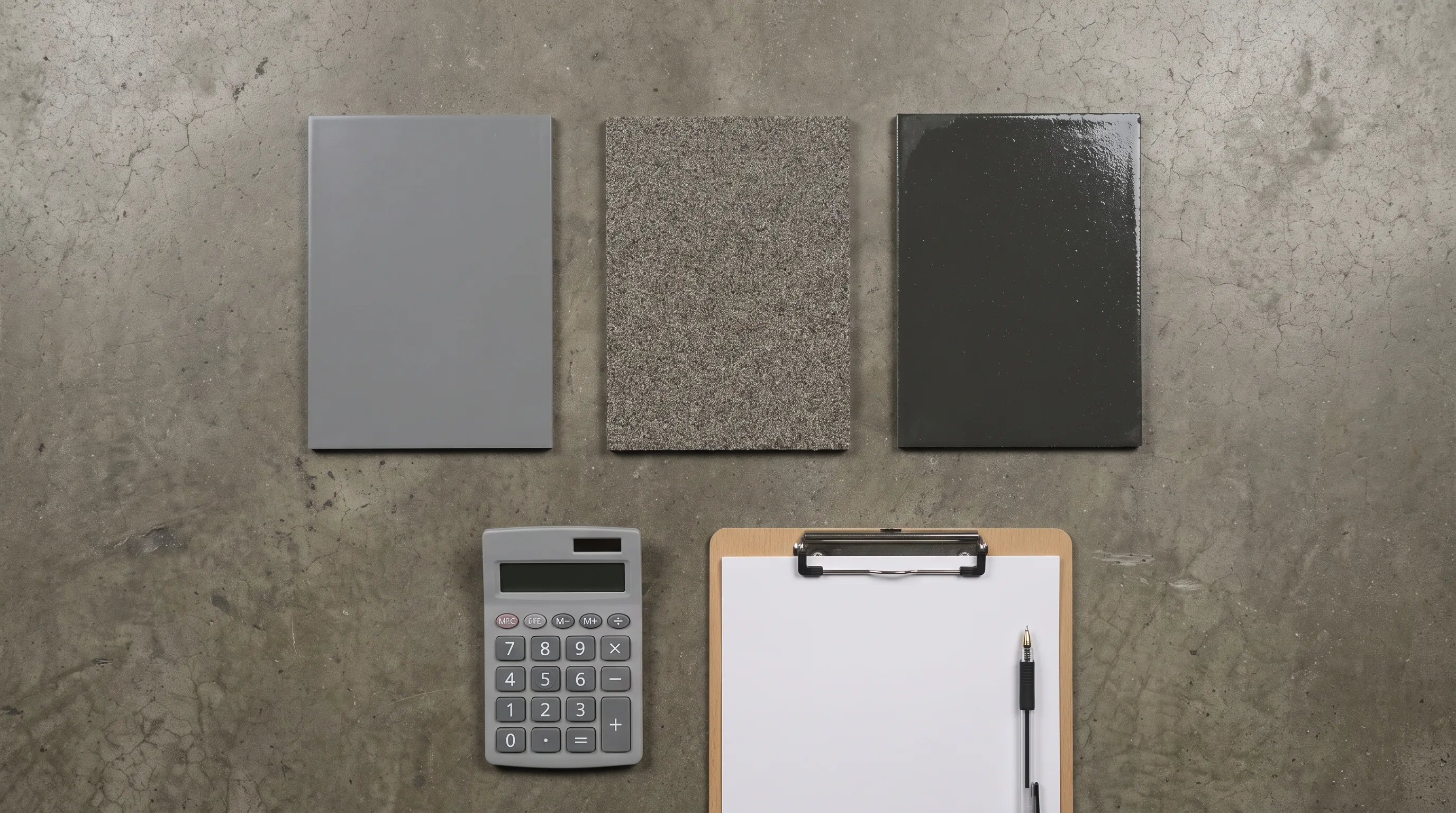
2026 pricing by system type, prep method, and square footage - what drives your quote.
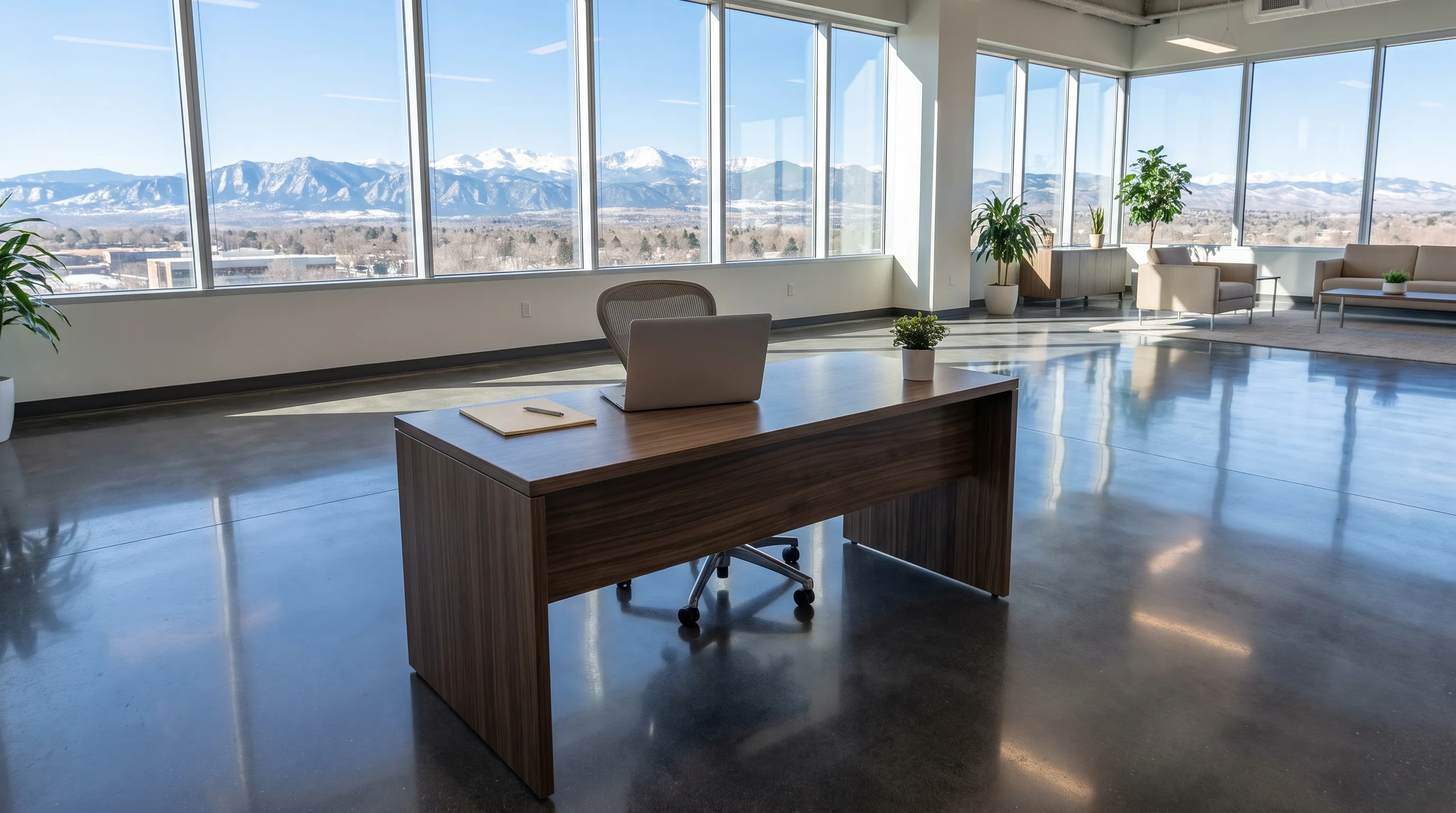
Maintenance savings, lifespan, and payback period - the real ROI math.
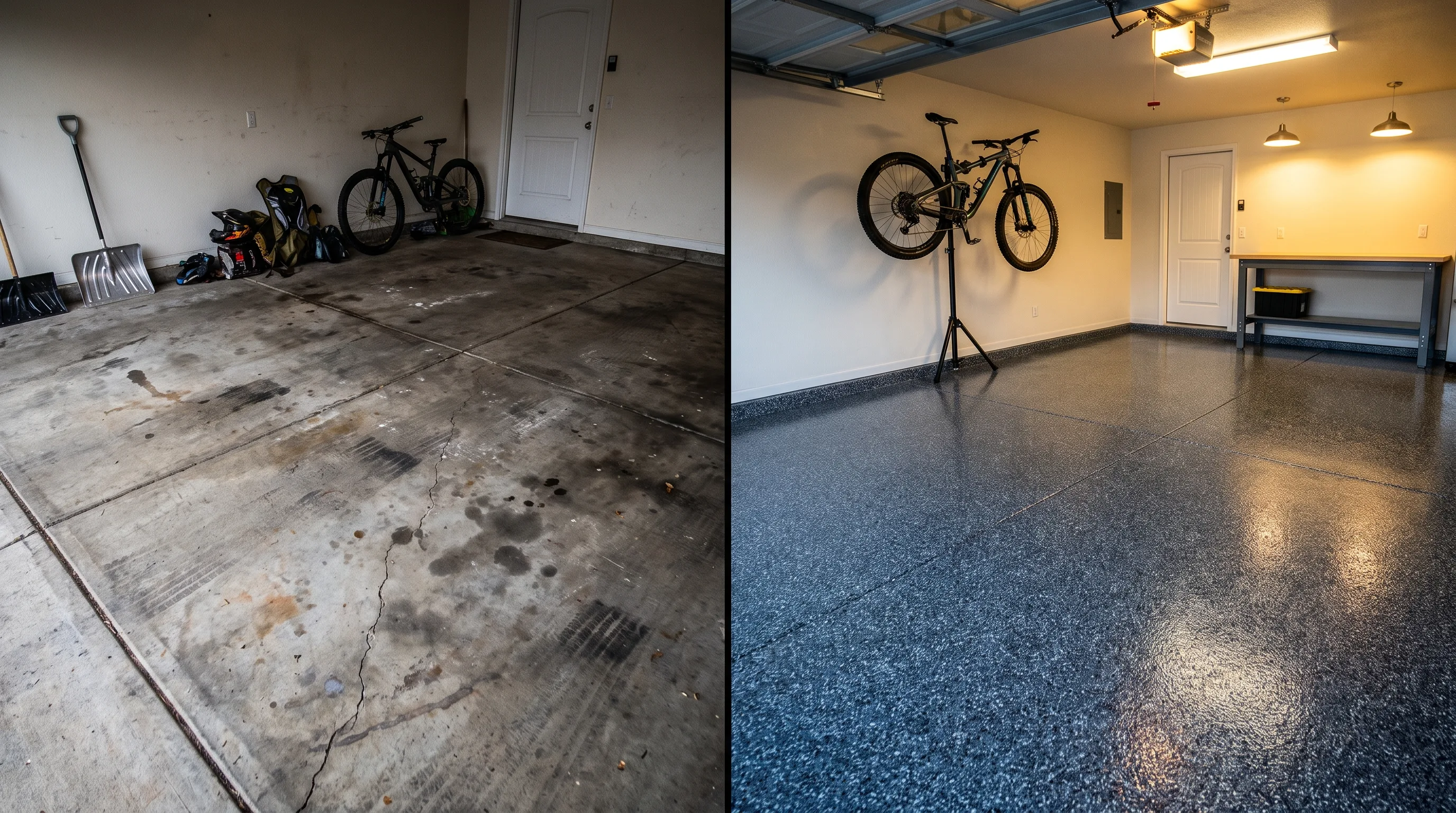
Real transformations from cracked, stained slabs to showroom-quality finishes.
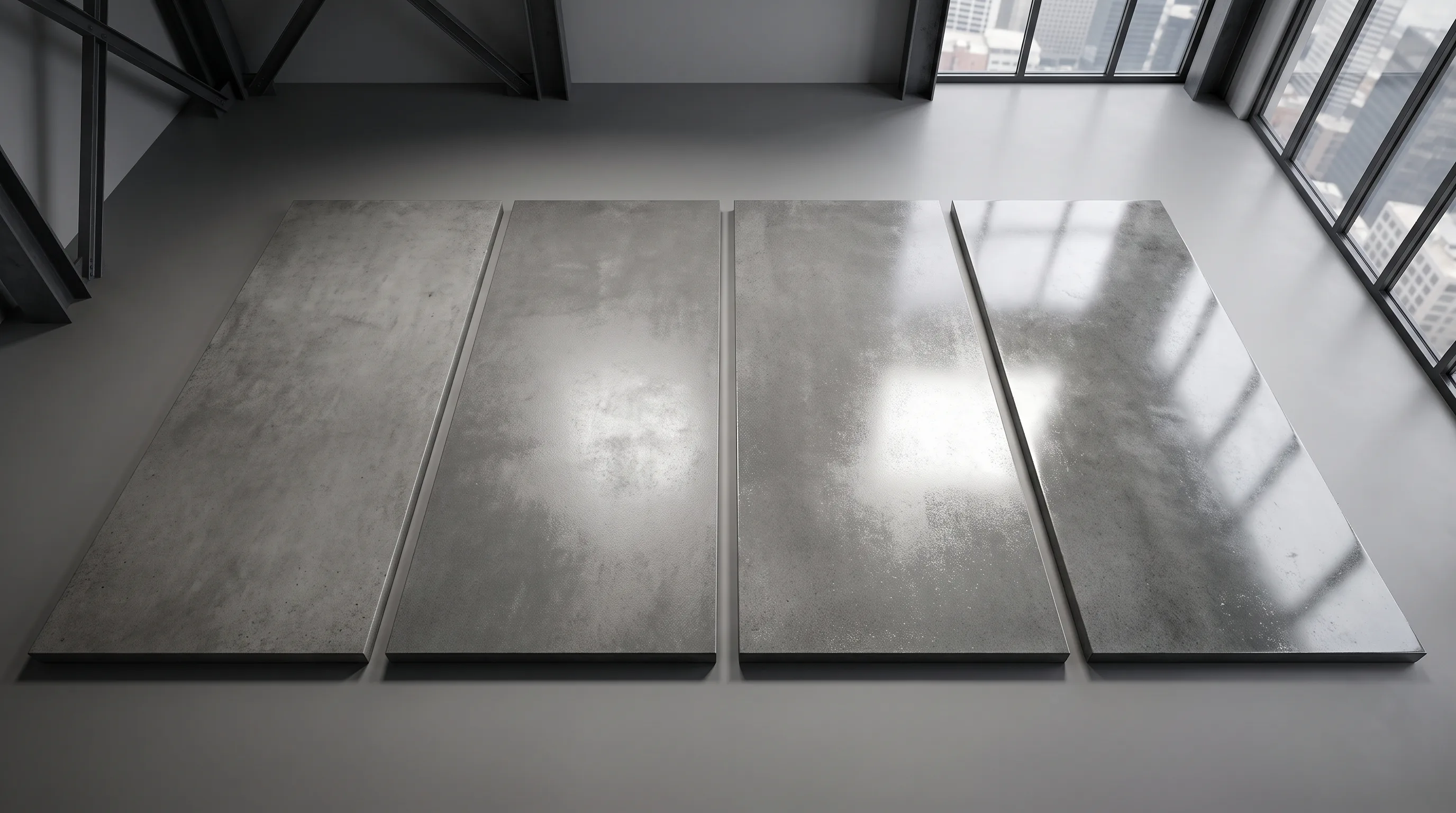
Matte to mirror finish, grit progression, and which level fits your space.
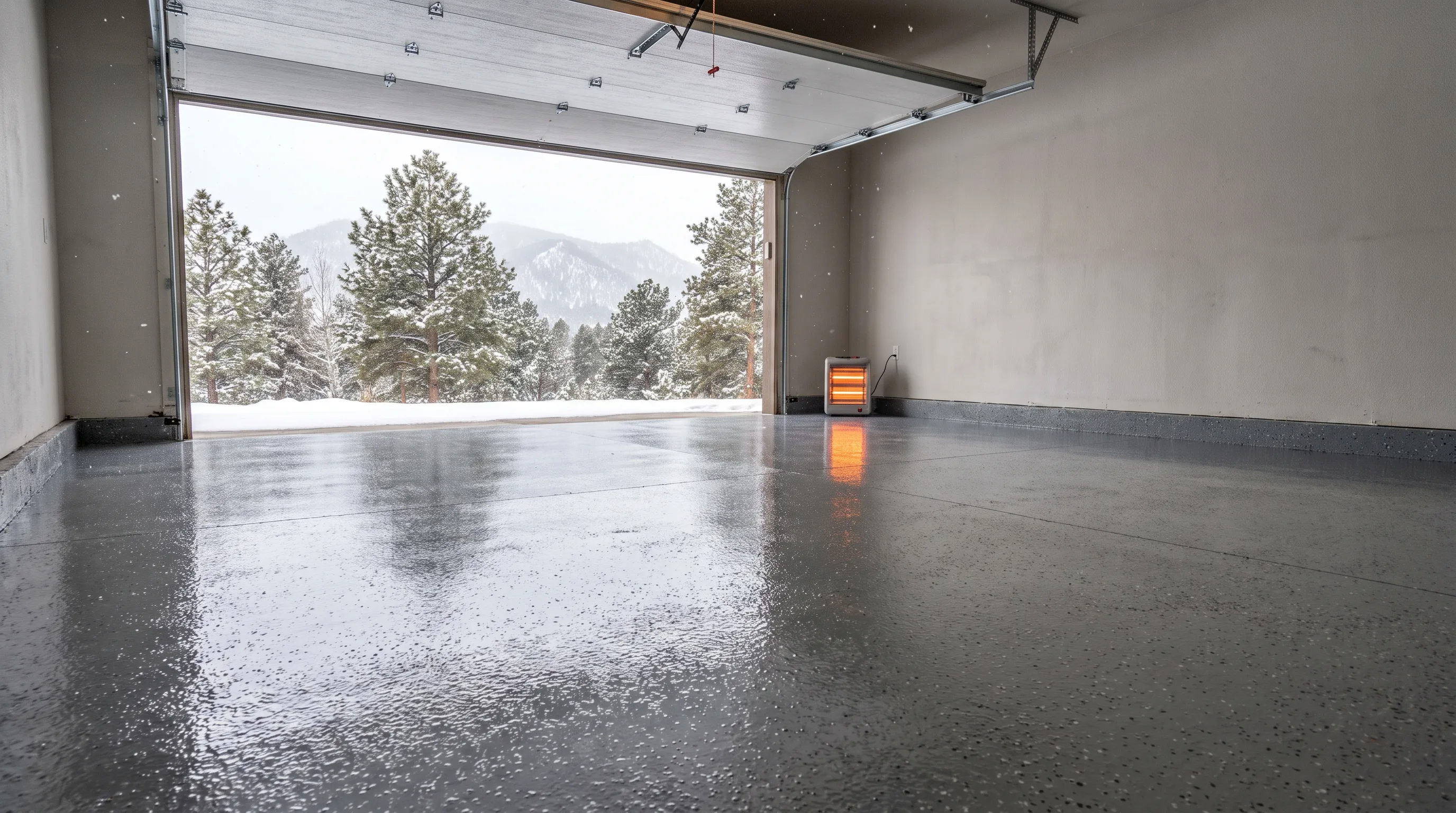
Why polyaspartic cures reliably in Denver's cold months when standard epoxy can't.
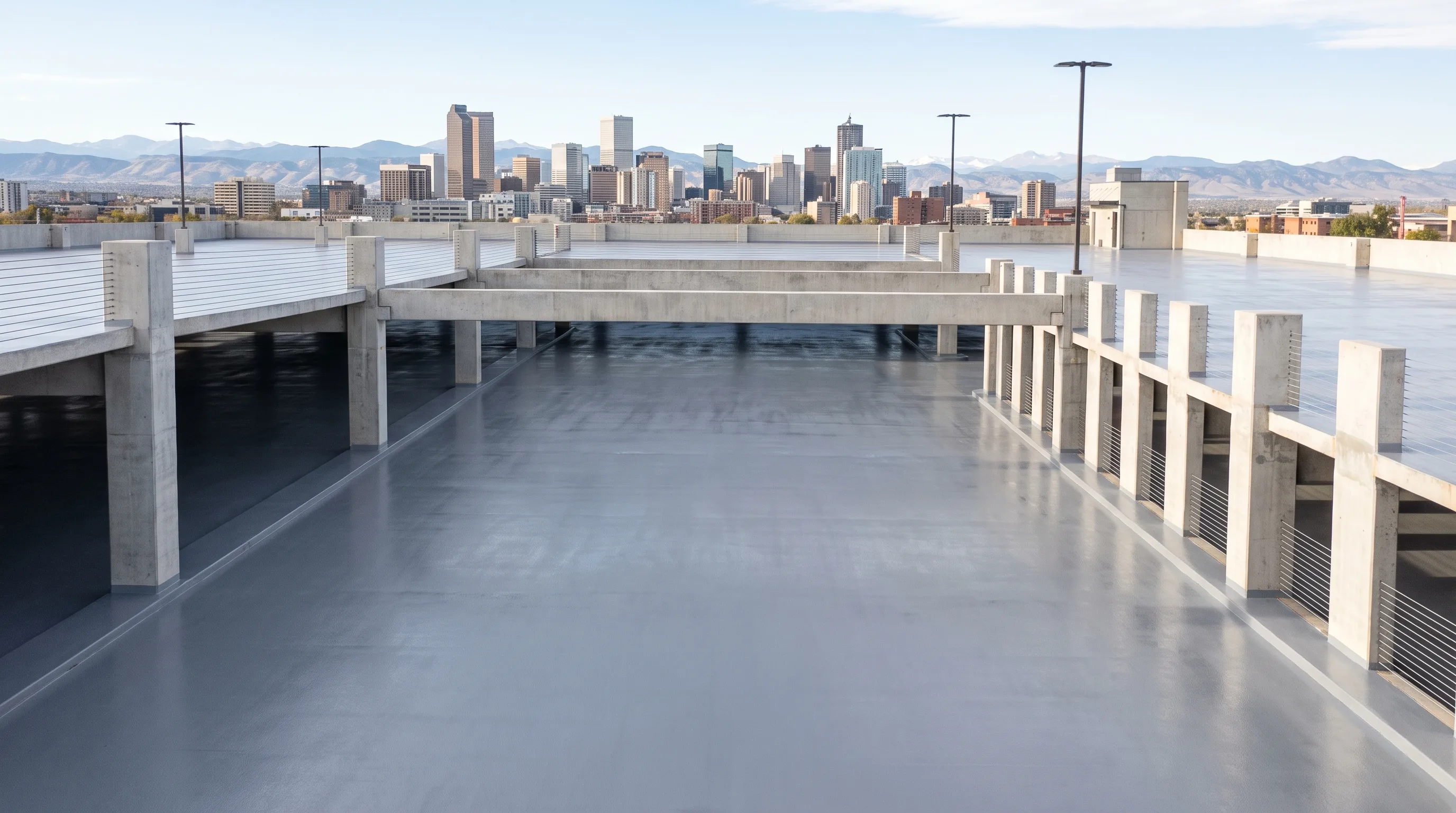
Waterproof, freeze-thaw rated, and fast-curing for minimal closure time.
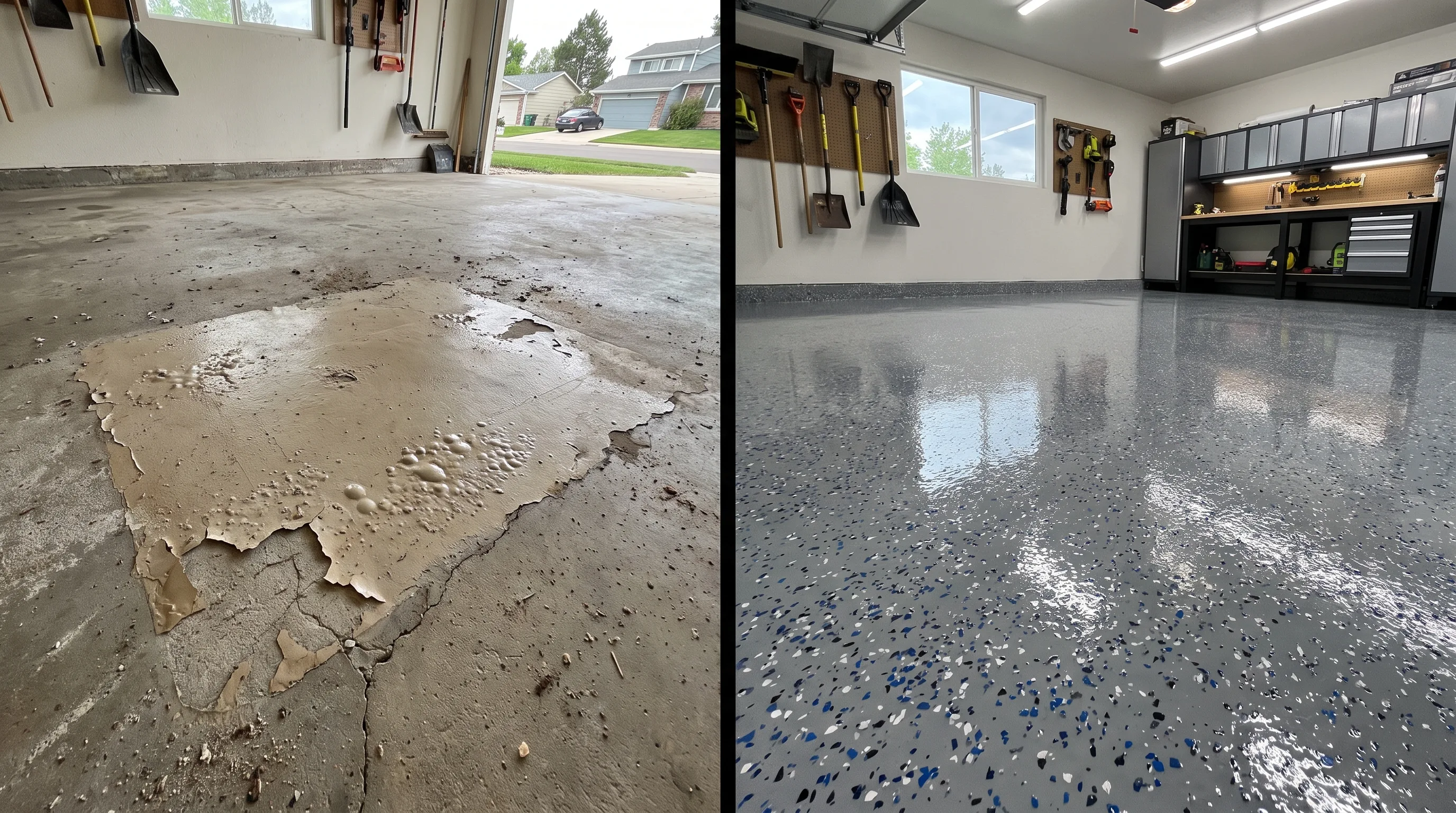
Why prep and Colorado-rated topcoats matter more than the epoxy brand in the kit.
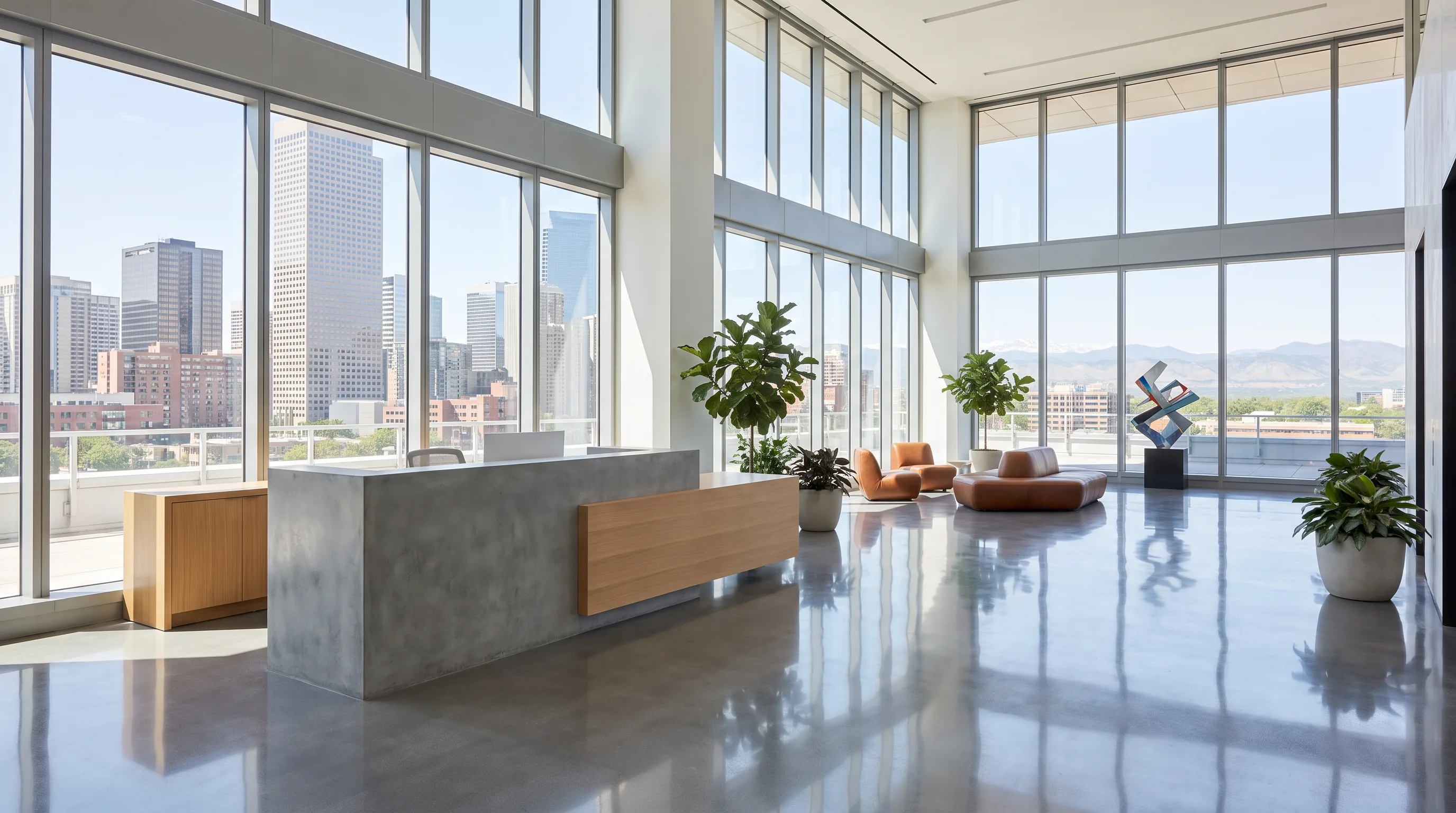
Low-maintenance, modern finishes for lobbies, break rooms, and workspaces.
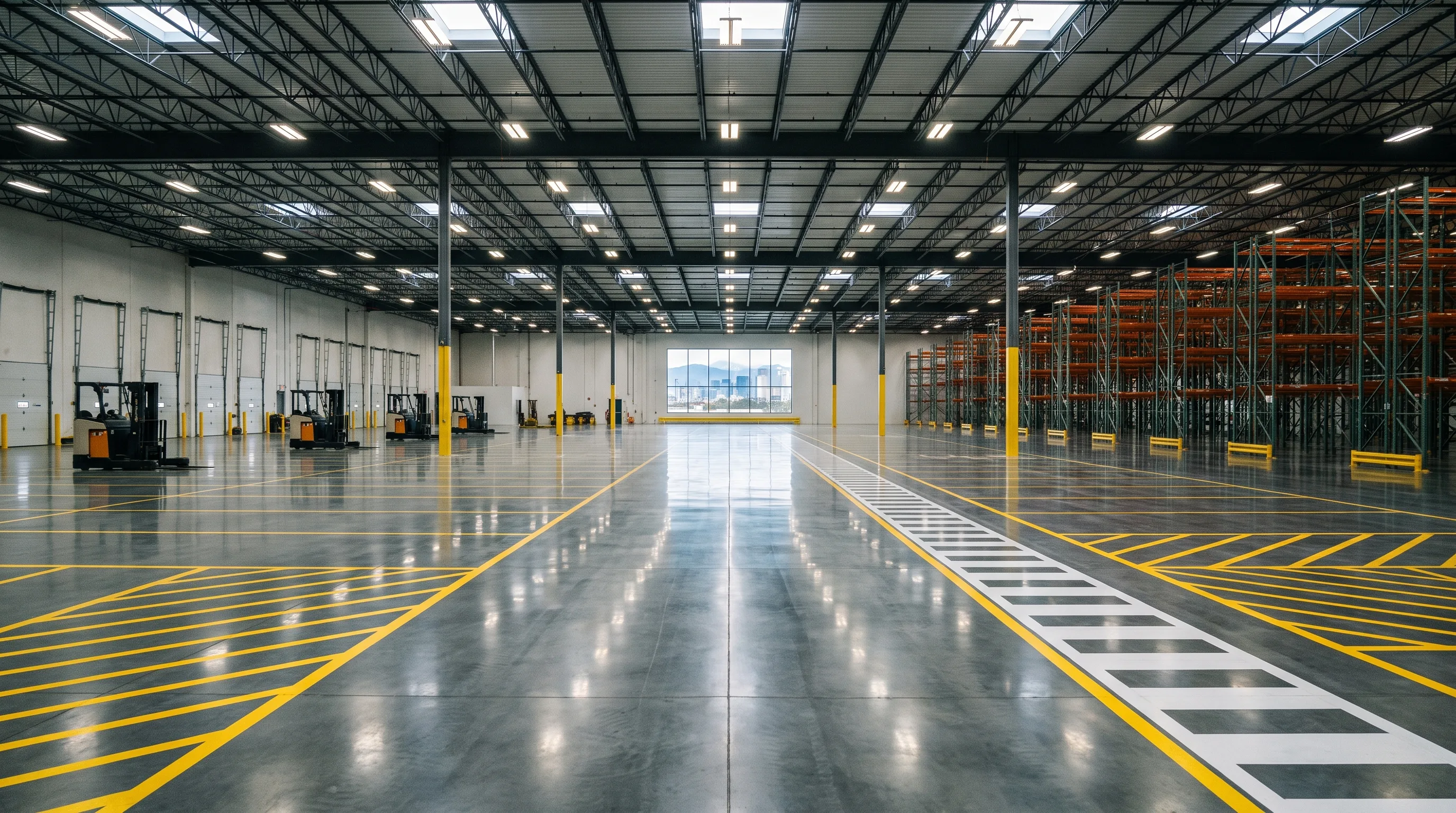
OSHA-compliant line striping and safety markings for aisles, hazard zones, and forklift lanes.
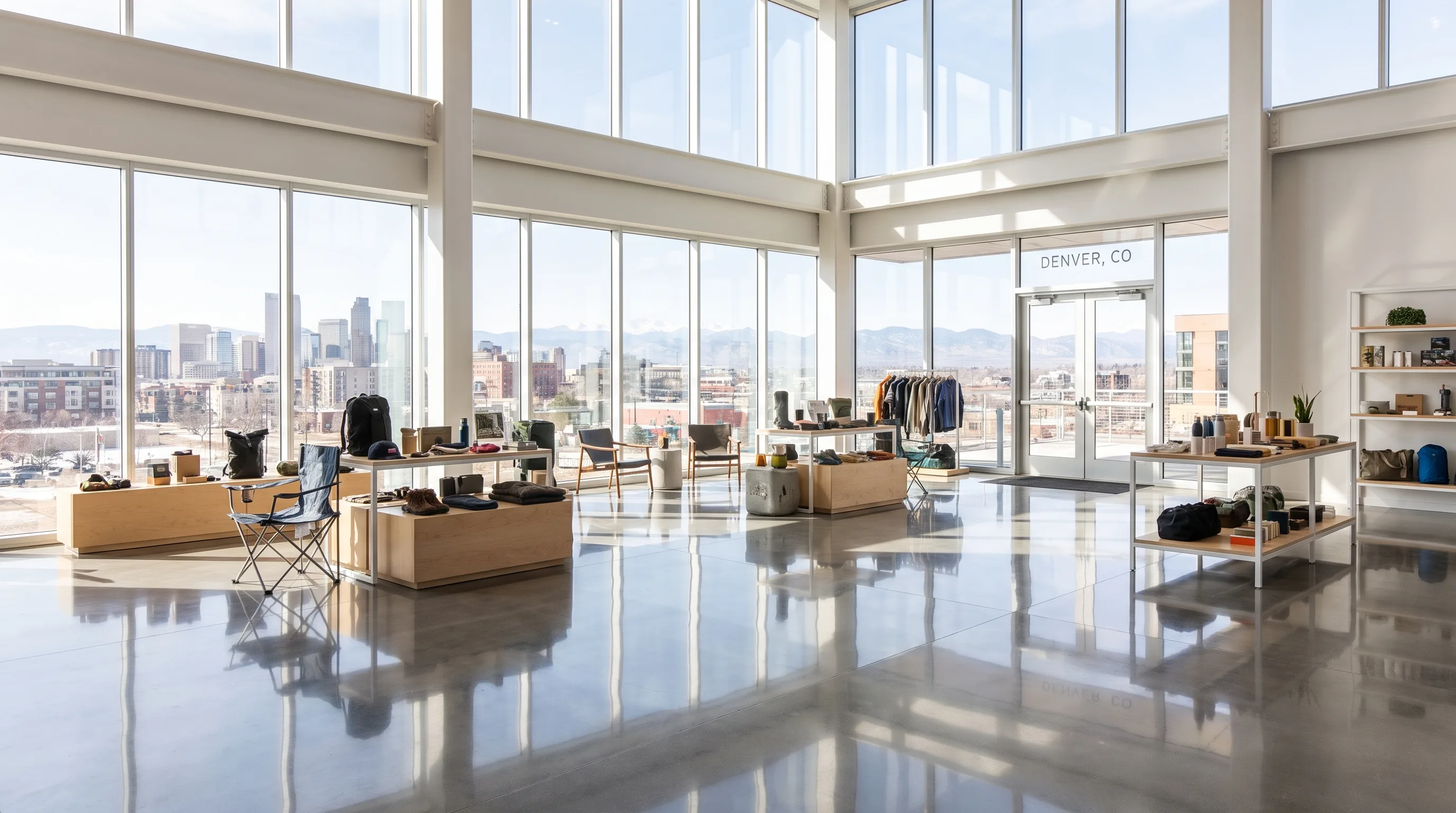
Mirror-finish concrete polishing for Denver retail stores and showrooms - durable, reflective, and low-maintenance.
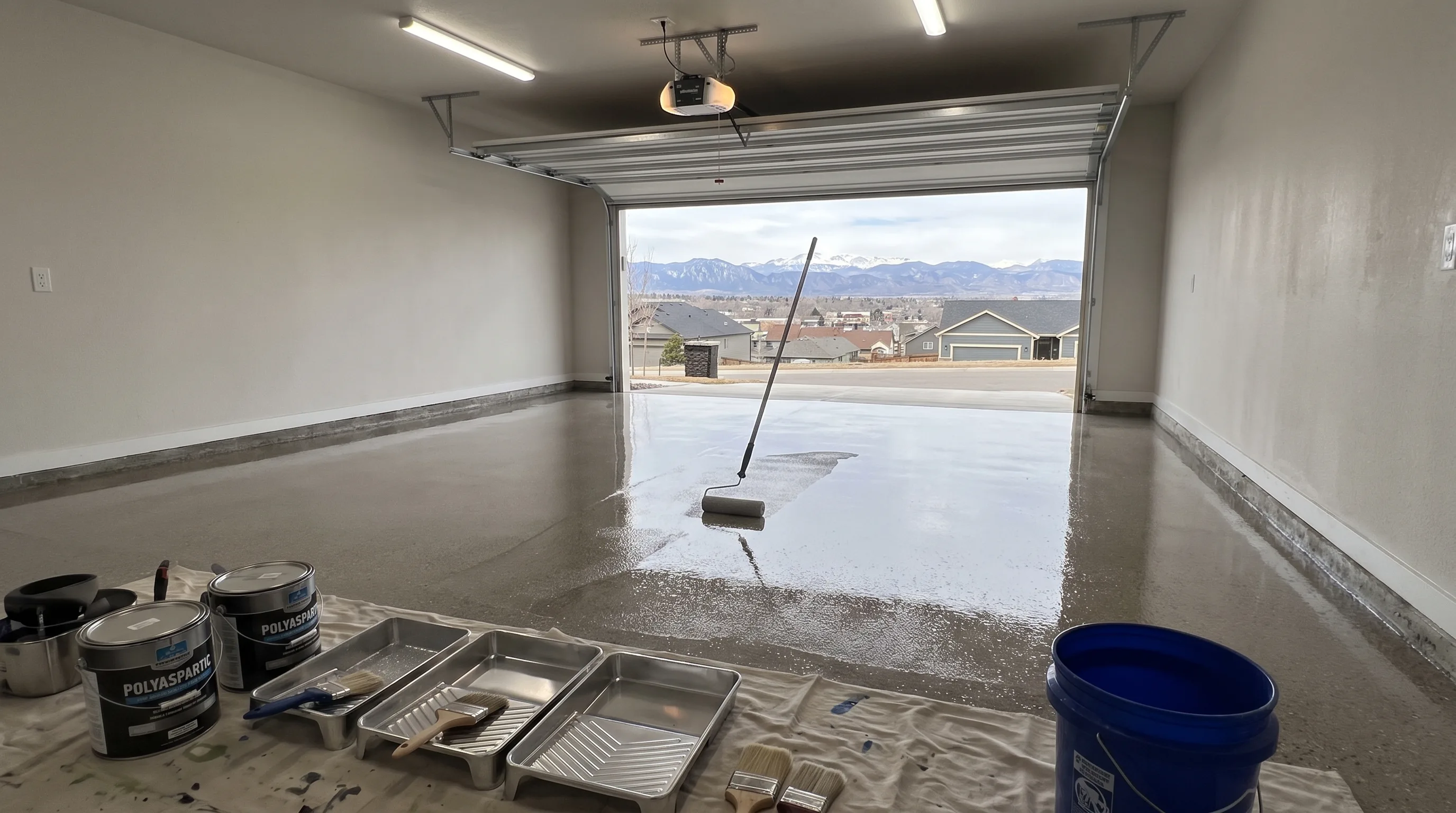
How Denver's fastest floor coating system works - 1-day installs with minimal downtime.
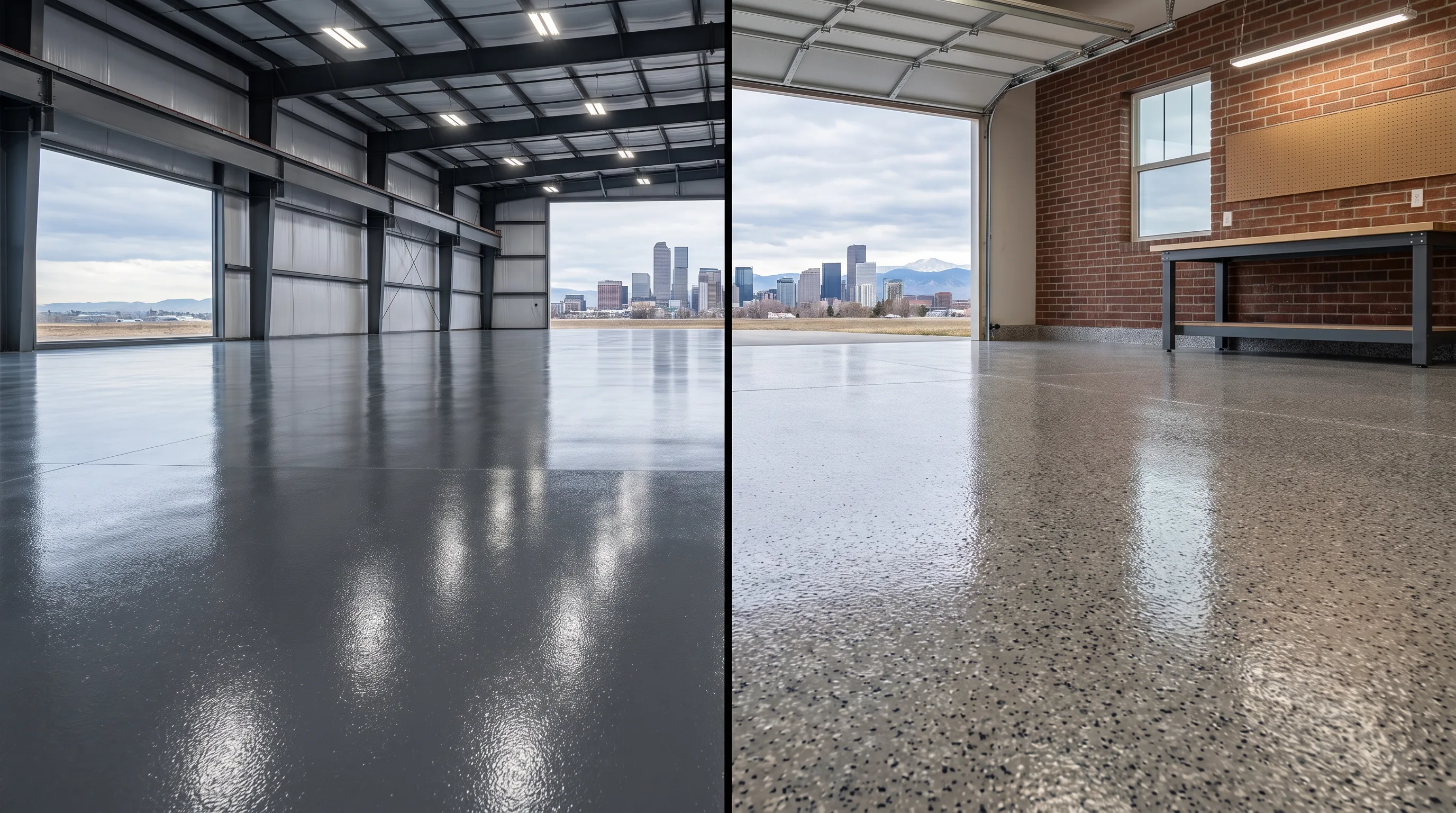
Cure speed, flexibility, cost, and best-use comparison for Colorado conditions.
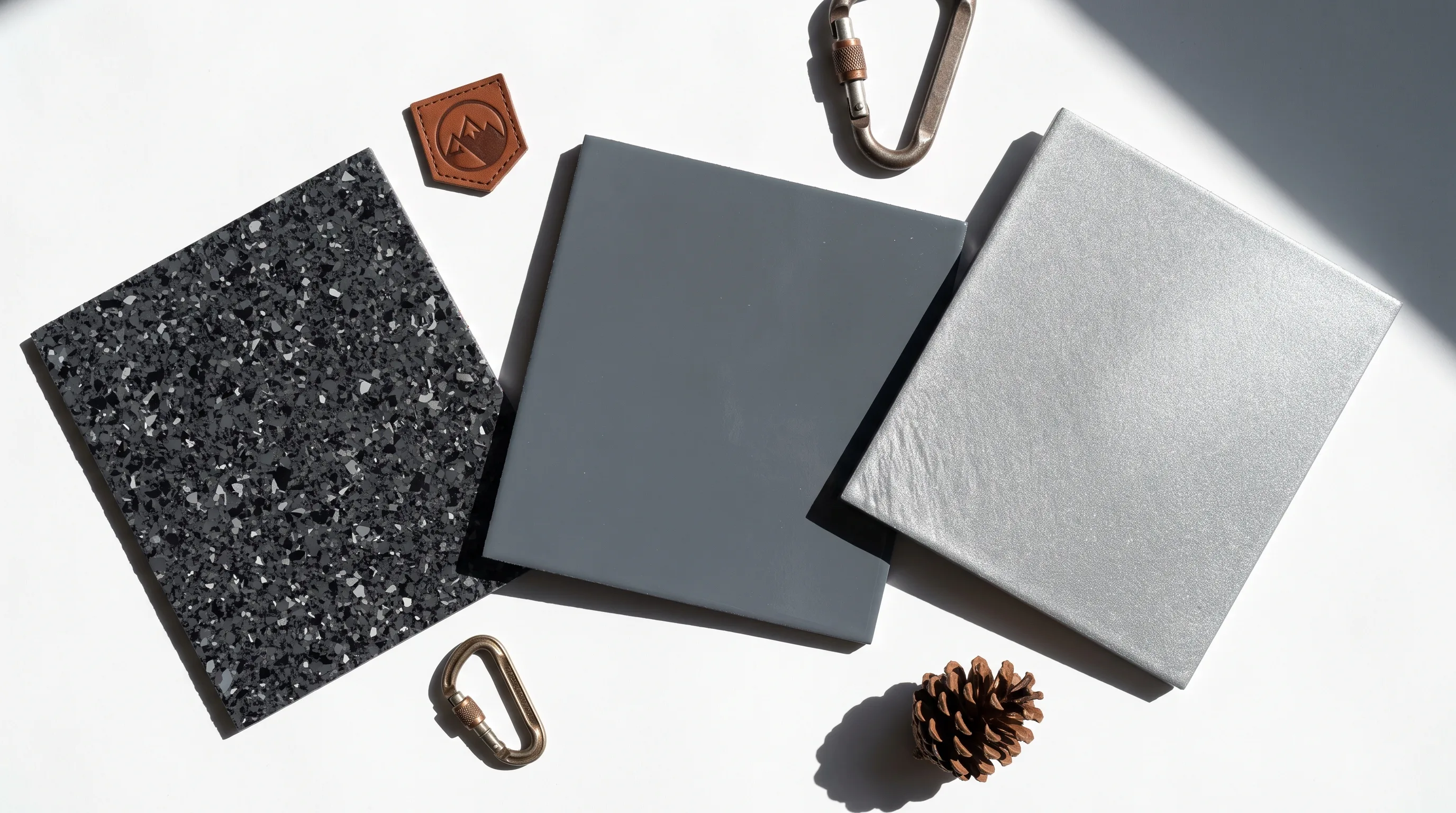
Solid, flake, and metallic color options that hide salt residue and match any Denver home style.
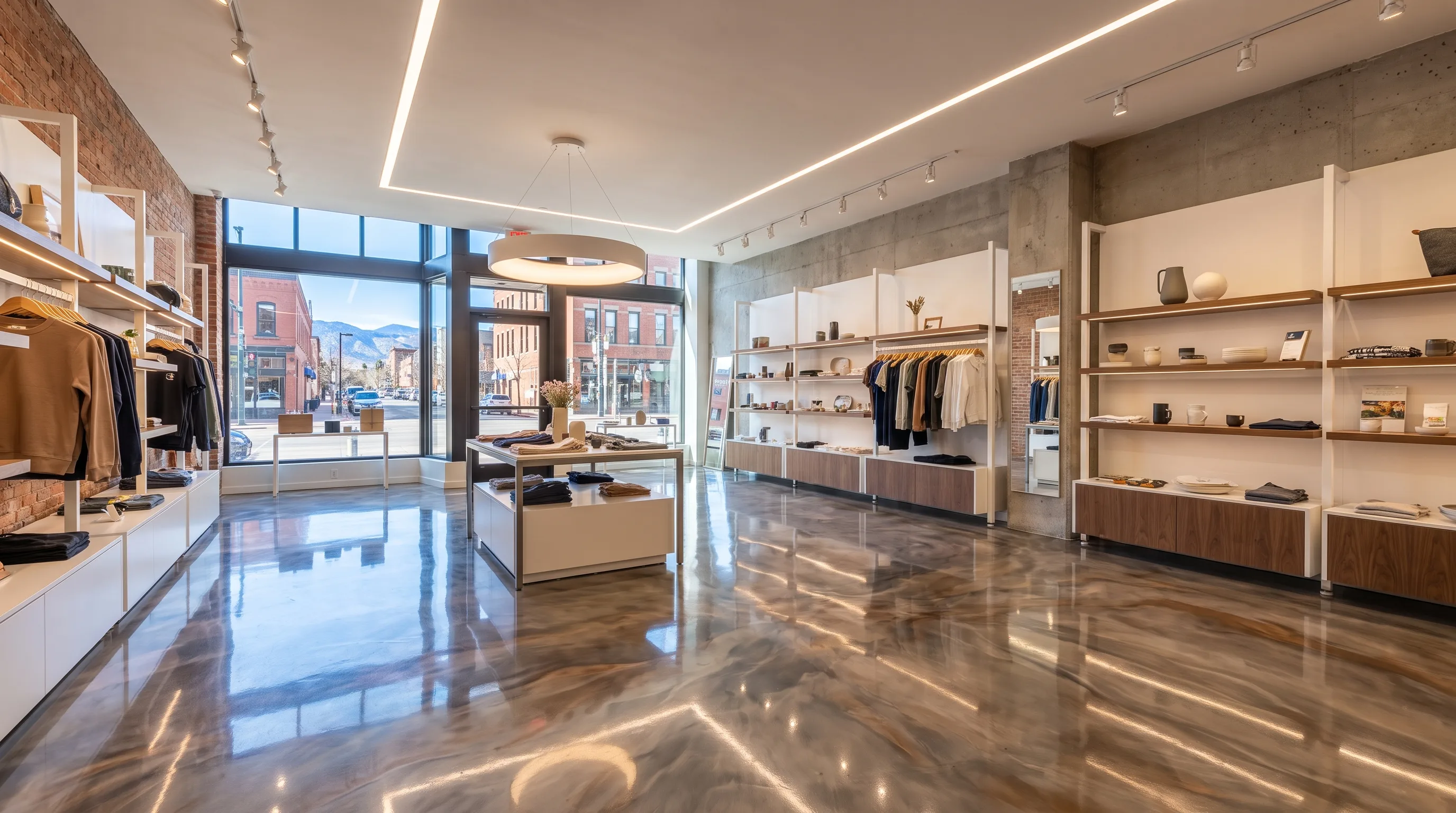
High-gloss finishes, fast overnight installs, and durability built for daily foot traffic.
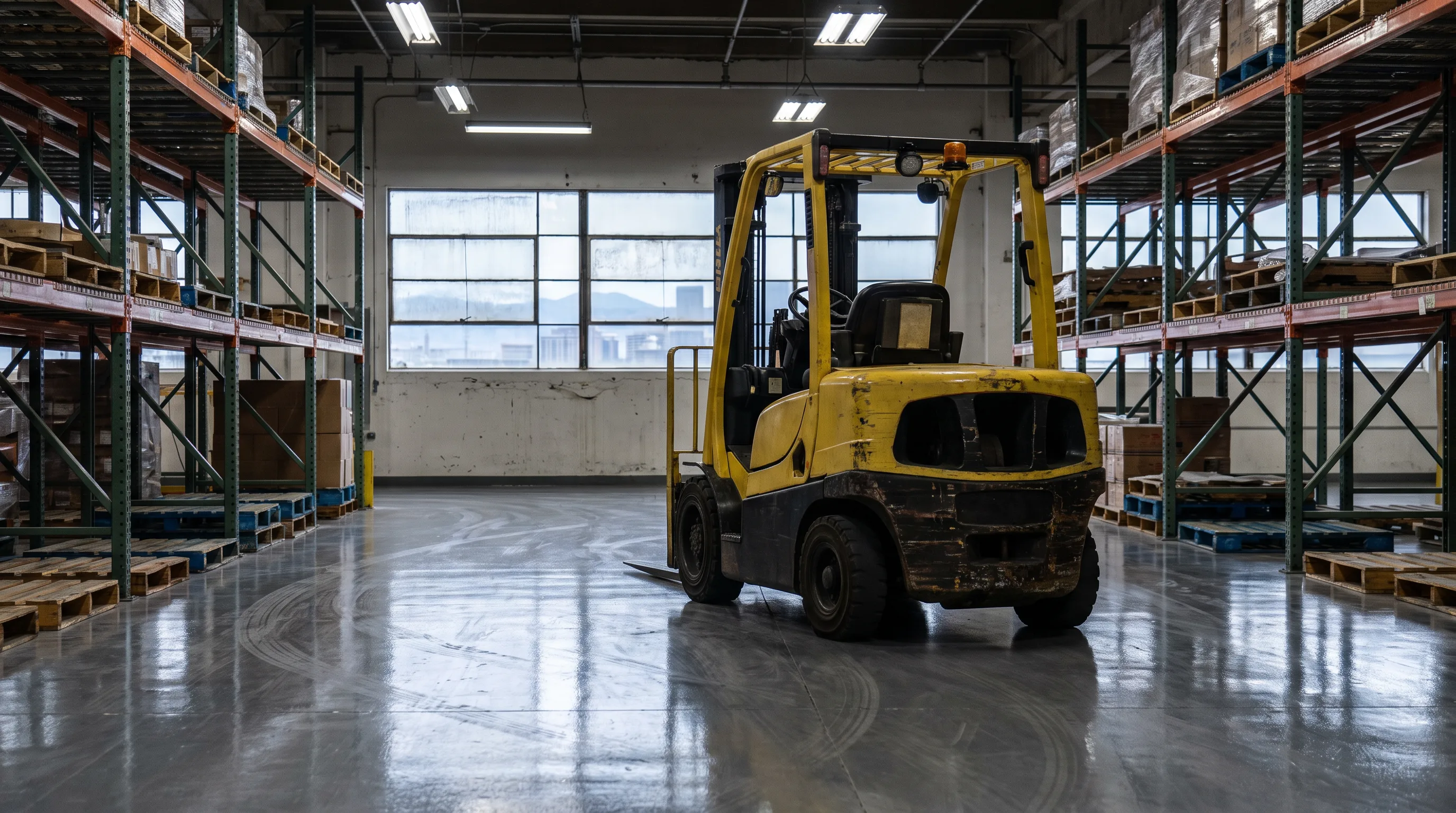
Forklift-rated 20-mil broadcast systems built for sustained heavy equipment traffic.
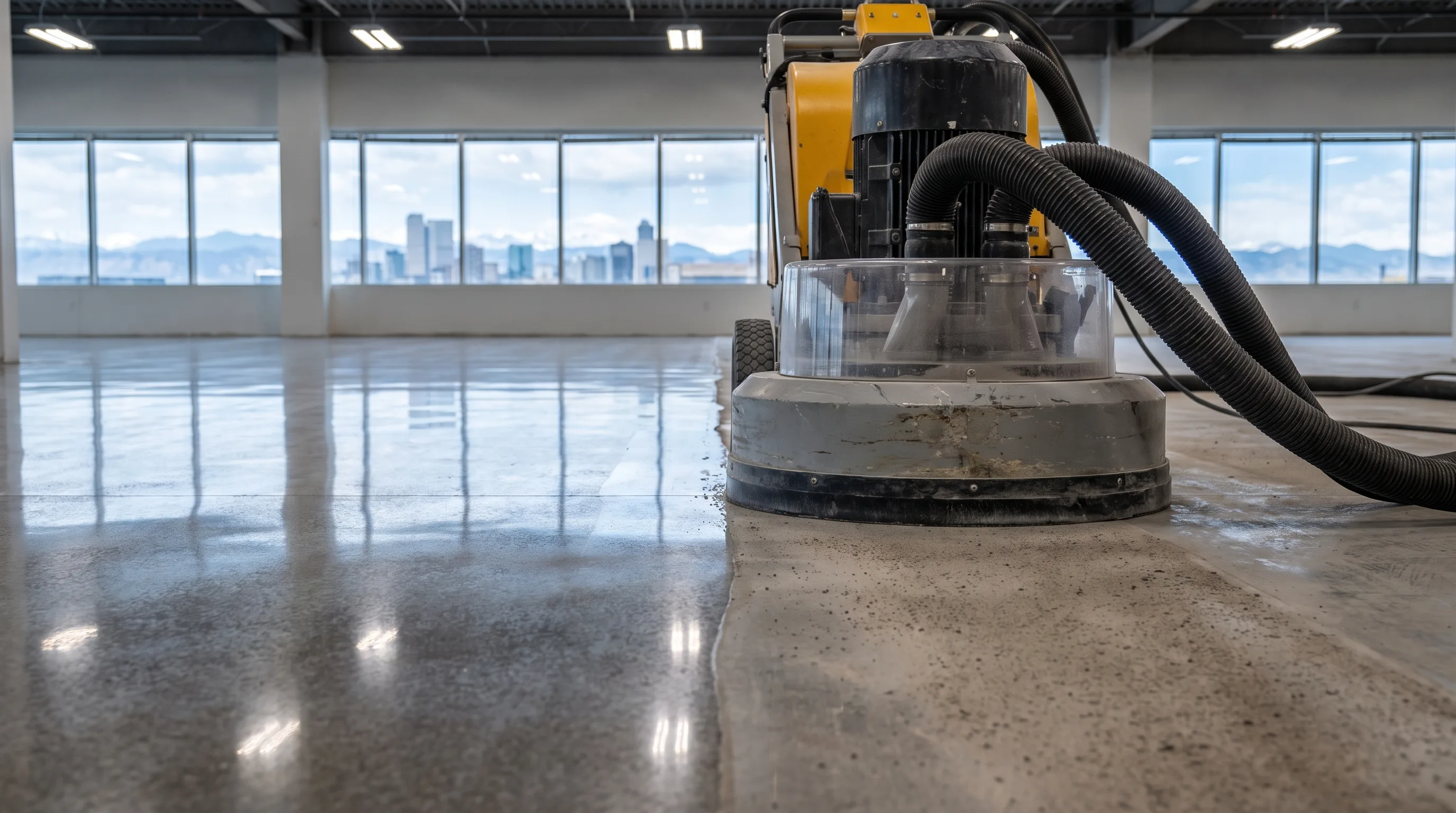
Grit progression, densifier chemistry, gloss levels, and cost - how concrete polishing actually works in Denver.
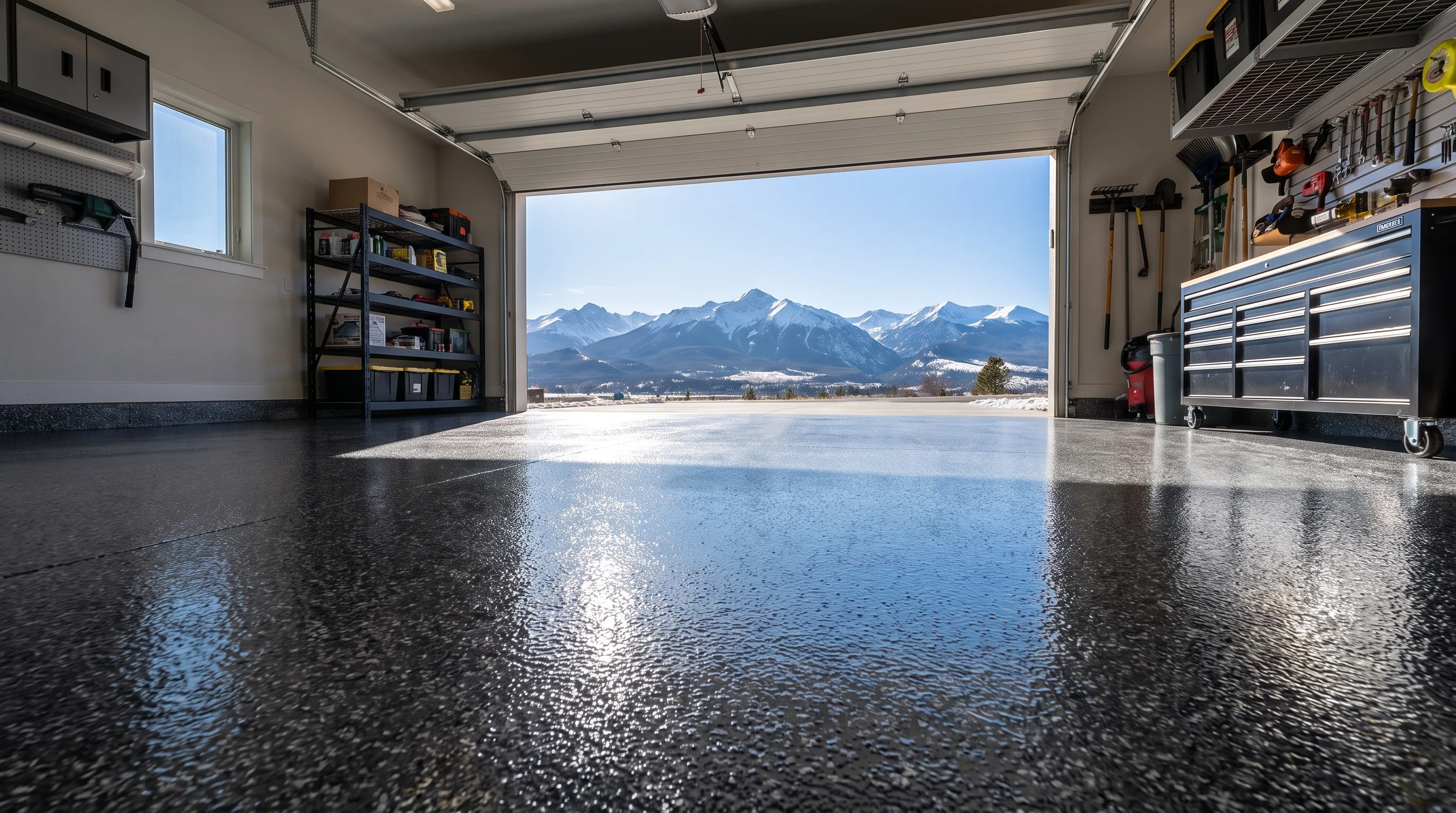
UV stability, fast cure, freeze-thaw rating, and cost - why polyaspartic is Colorado's top-rated topcoat.
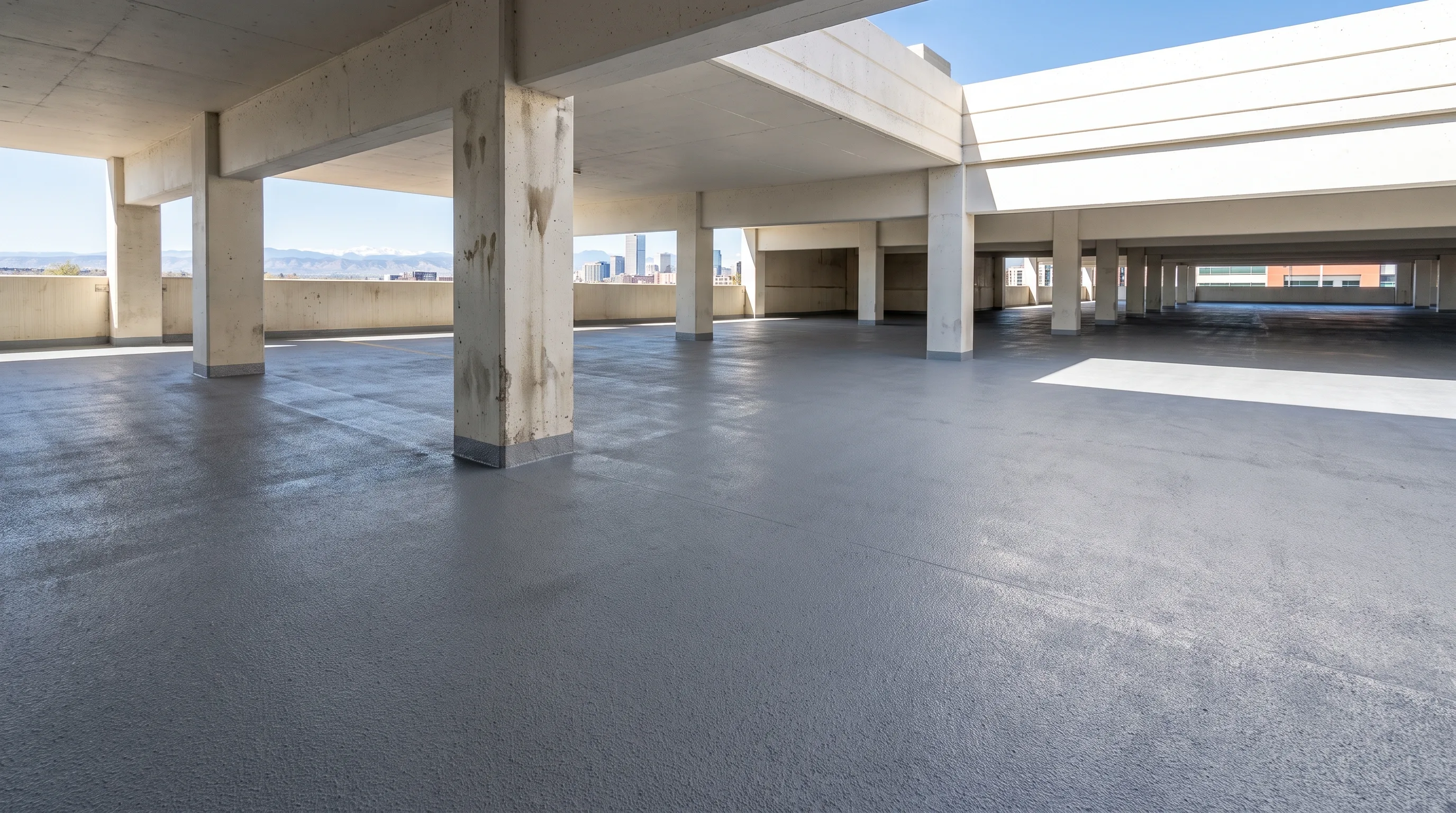
Fast cure, temperature flexibility, and waterproofing benefits for Denver industrial and commercial facilities.
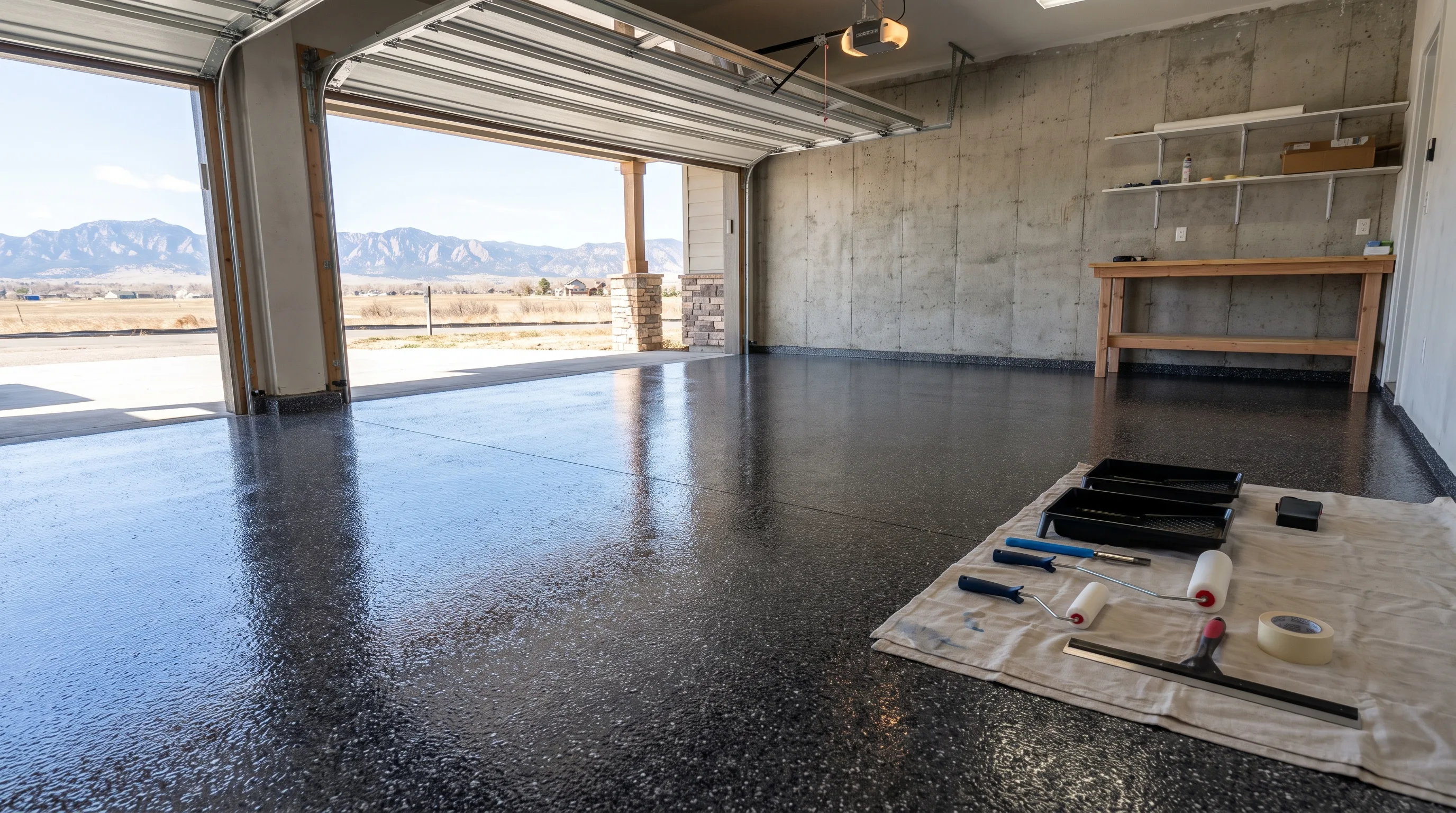
Every step of a correctly installed Denver garage floor - prep, systems, install-day timeline, and cost by garage size.
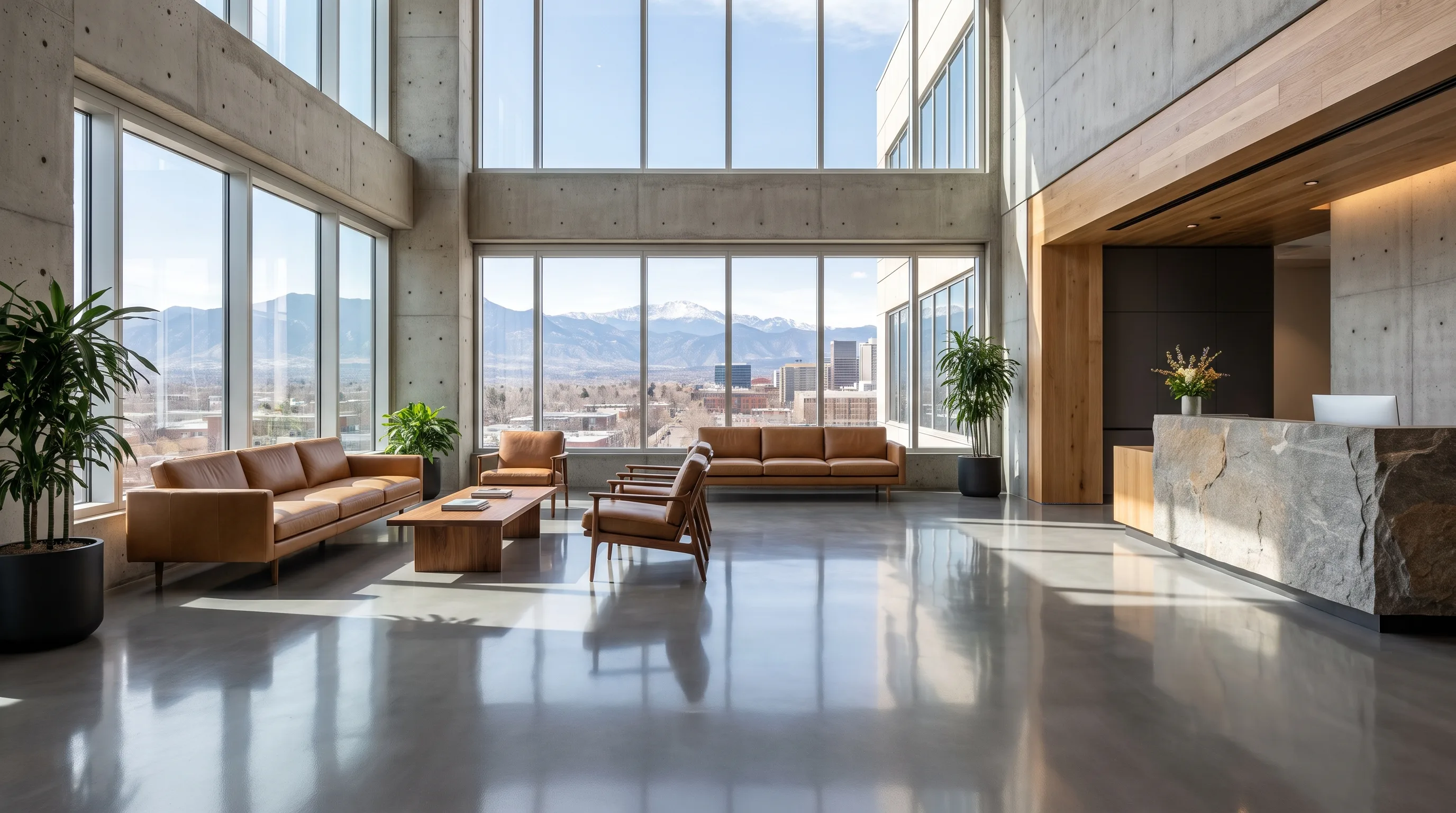
System types, scheduling around business hours, and cost per square foot by industry for Denver businesses.
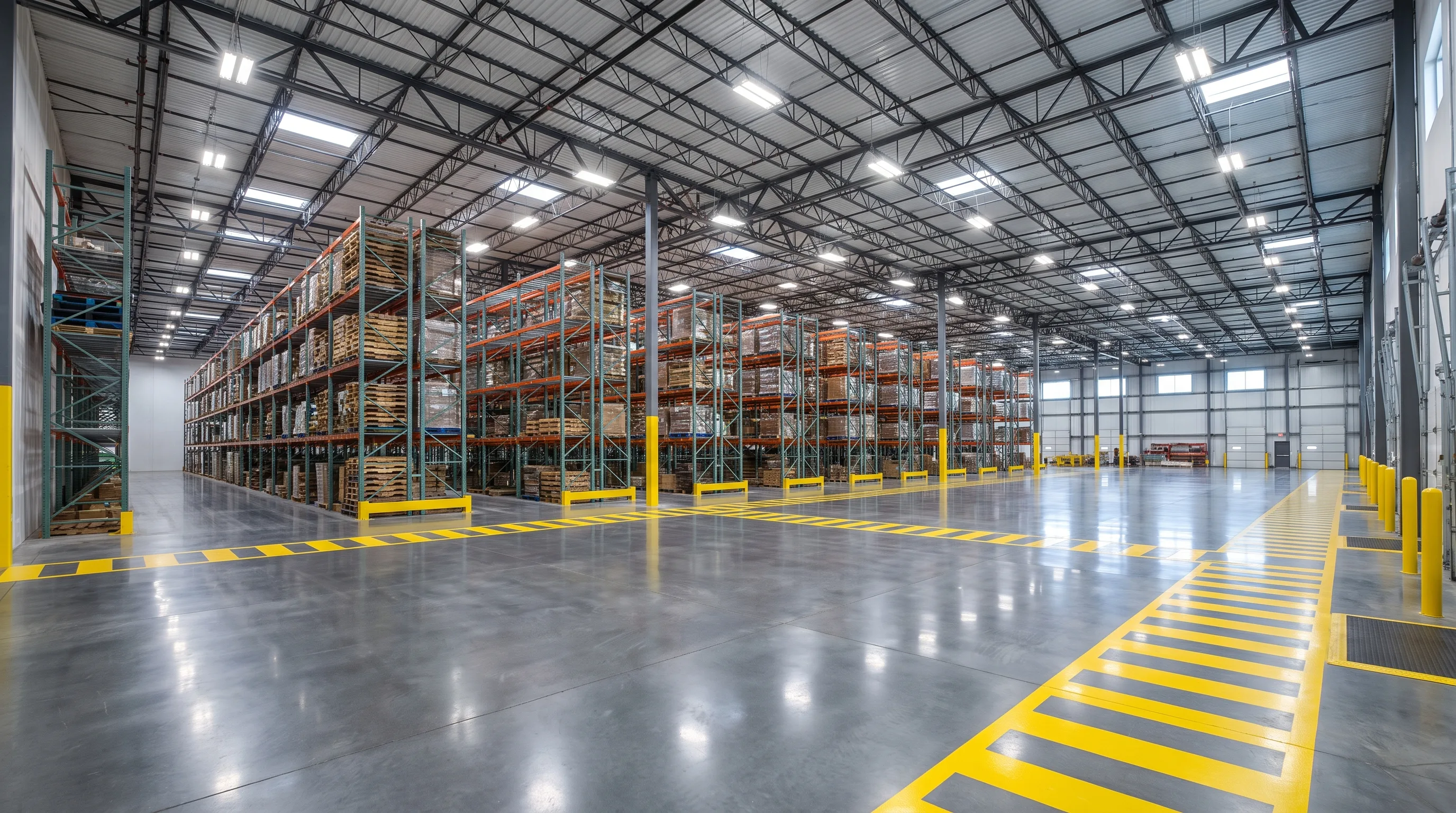
Forklift-rated systems, chemical and abrasion resistance, and phased installation that avoids downtime.
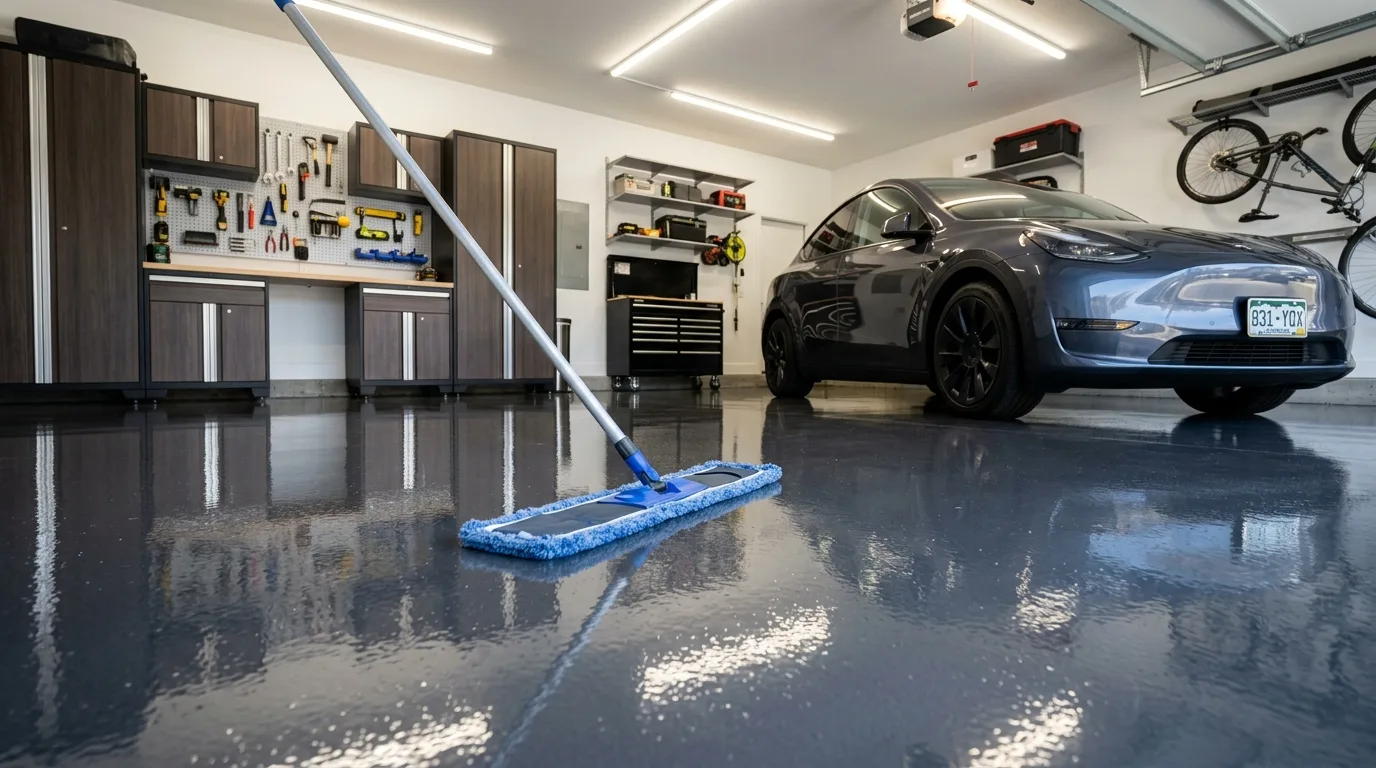
Safe cleaners, road salt removal, recoat schedule, and freeze-thaw protection tips to keep your Denver epoxy floor looking new for 15+ years.
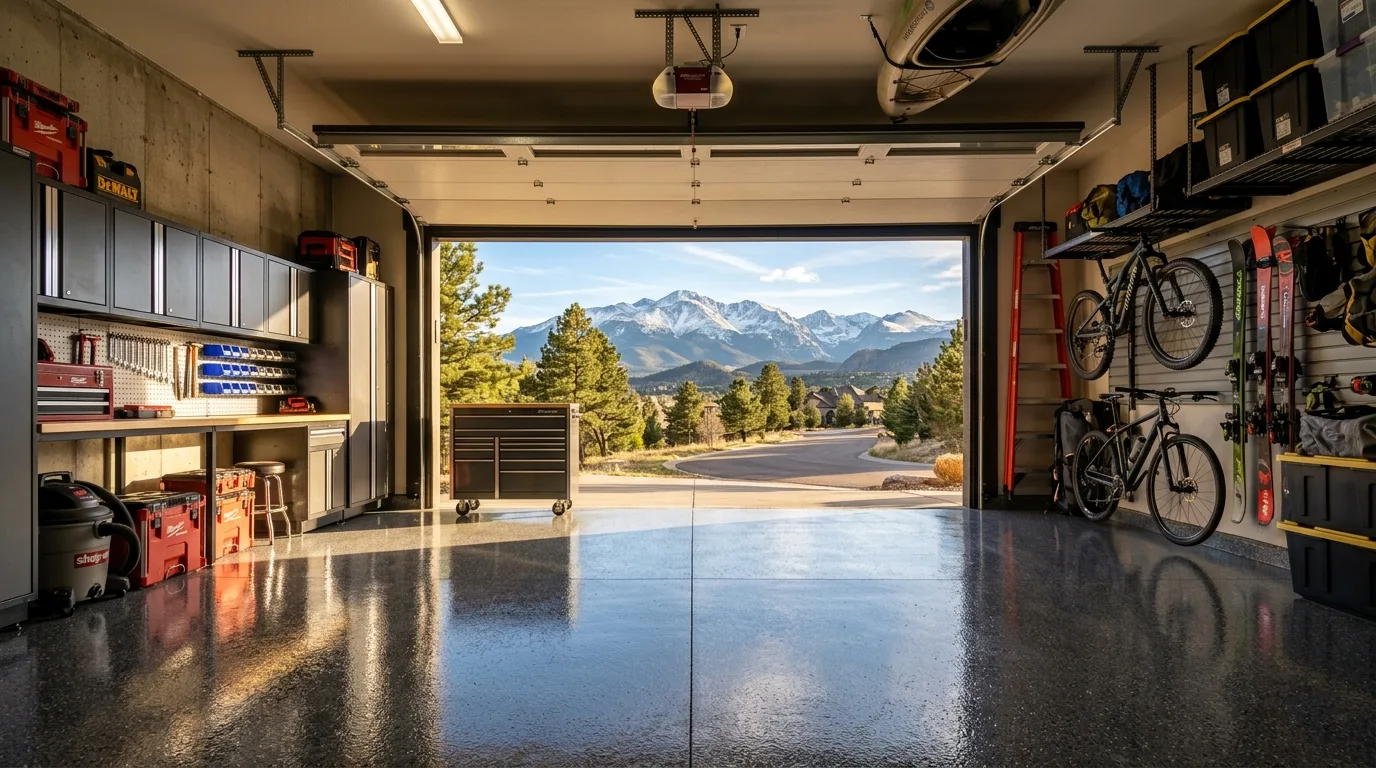
5,280 ft altitude means ~25% more UV exposure. How that changes cure times, coating selection, and freeze-thaw performance in Denver.
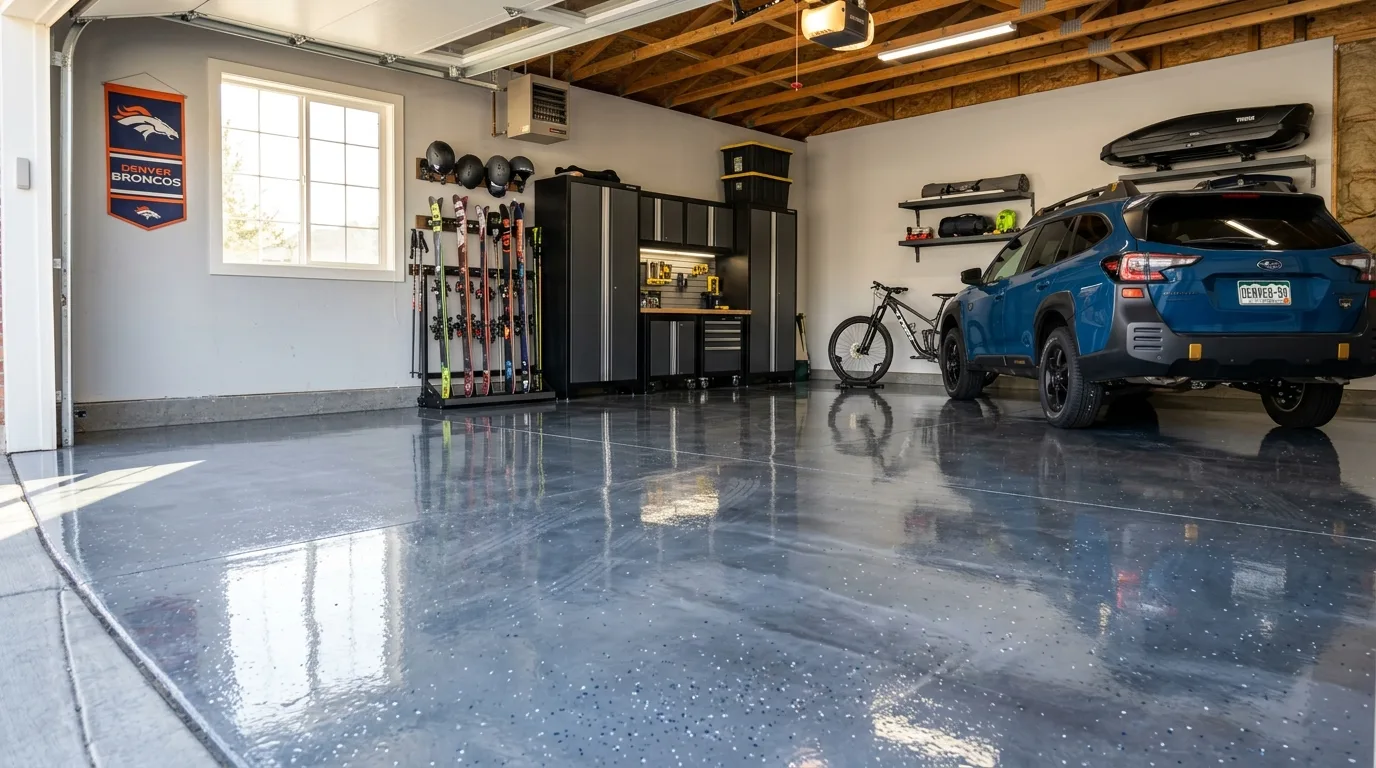
10–20 years with proper prep. What UV intensity, altitude, and freeze-thaw cycling do to epoxy lifespan - and how to extend it.
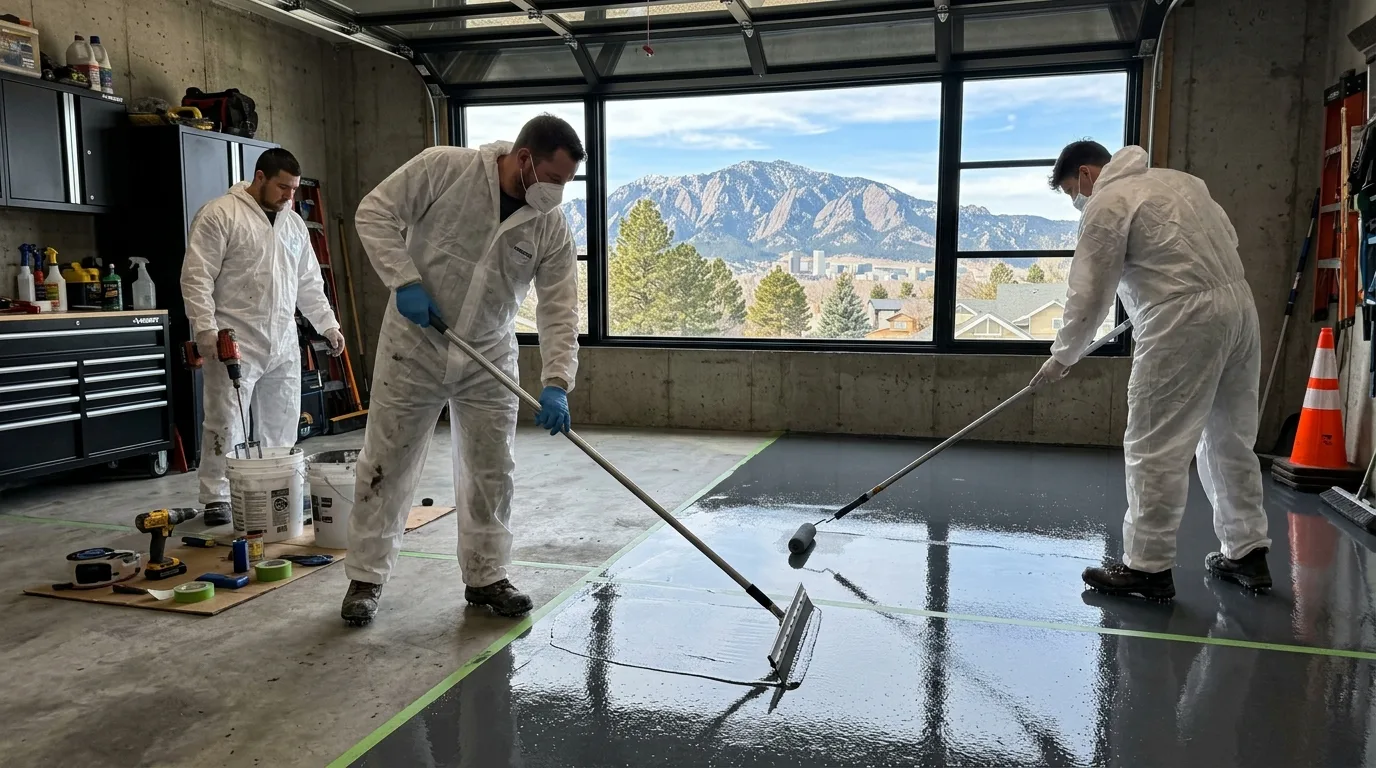
In-house crews vs subcontractors, 5 questions to ask, red flags to avoid, and why local Colorado experience matters.
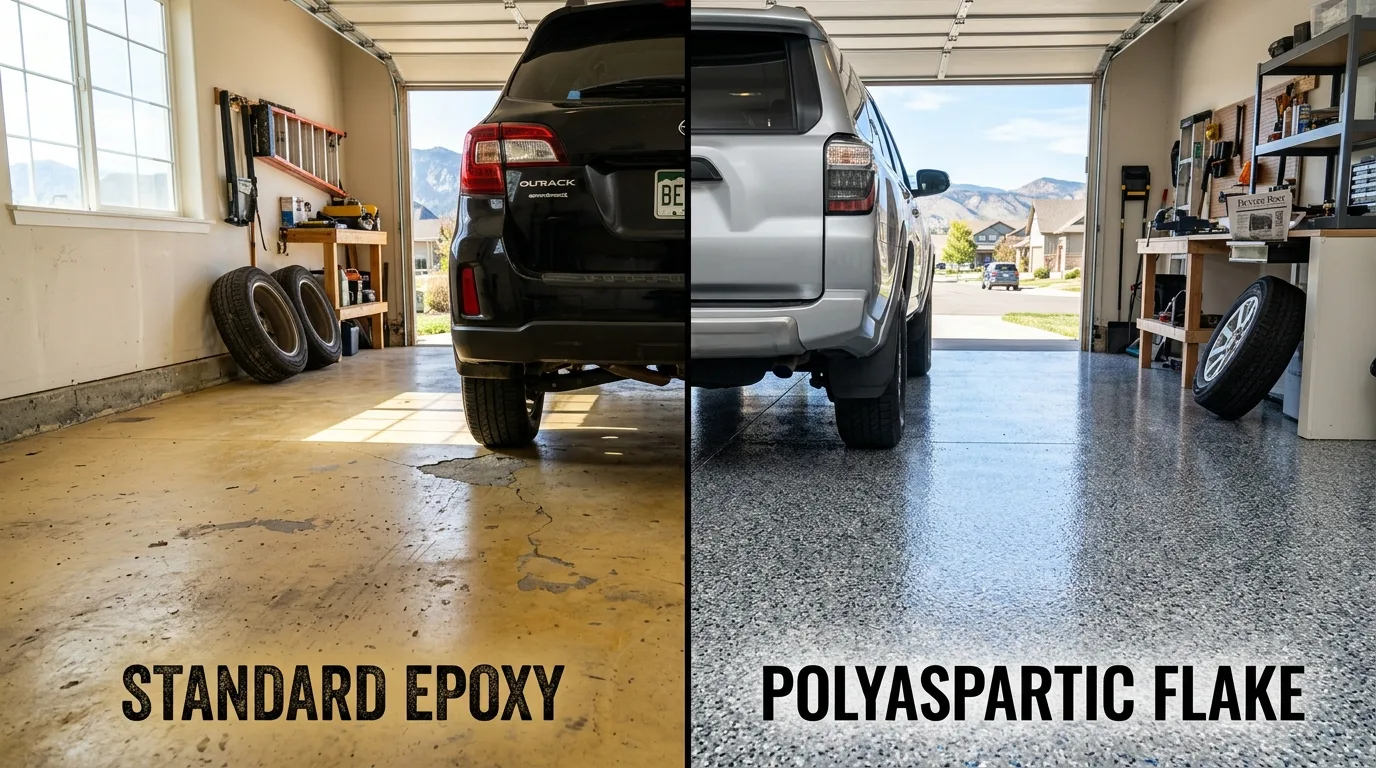
Cure time, UV stability at altitude, freeze-thaw resistance, and cost - the honest side-by-side for Denver homeowners.
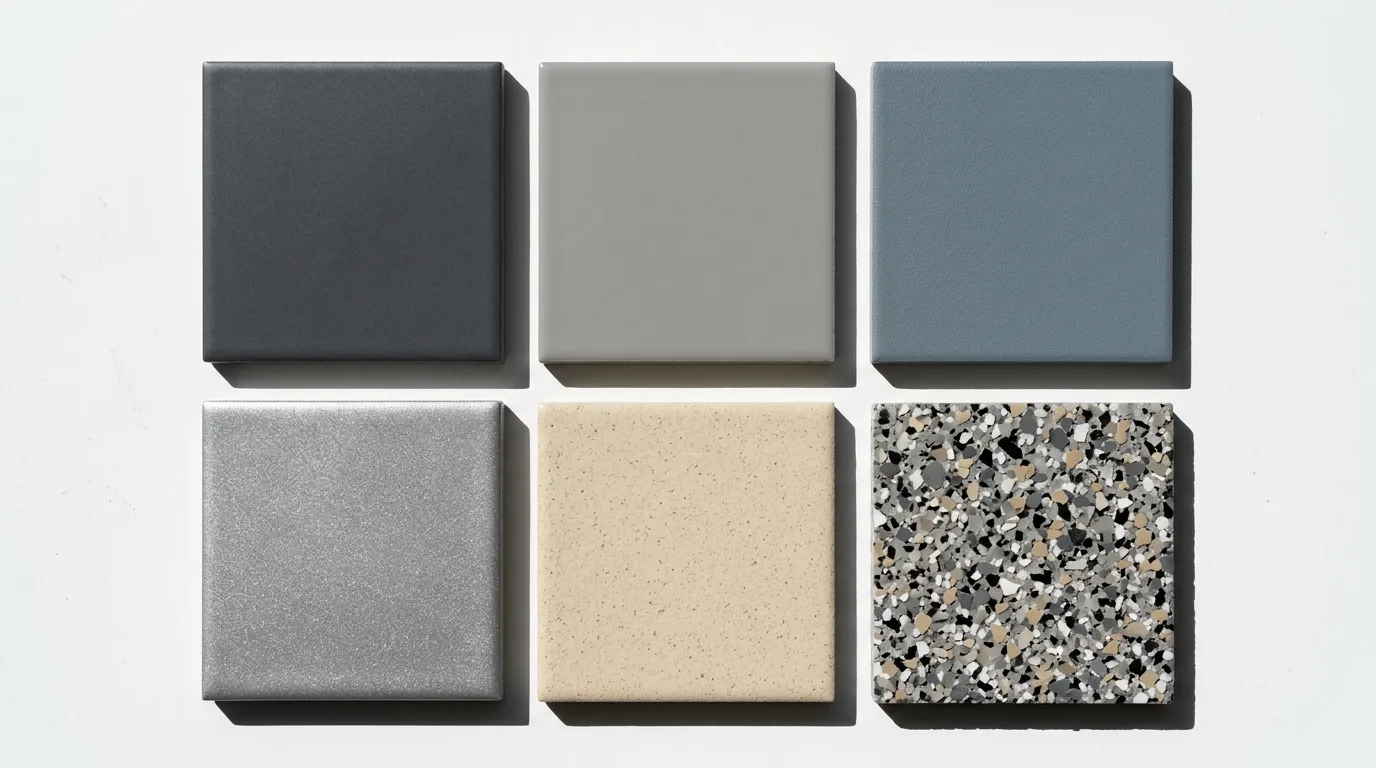
Solid shades, metallic combinations, and flake blends that work best in Colorado garages - plus why darker colors hide road salt residue better.
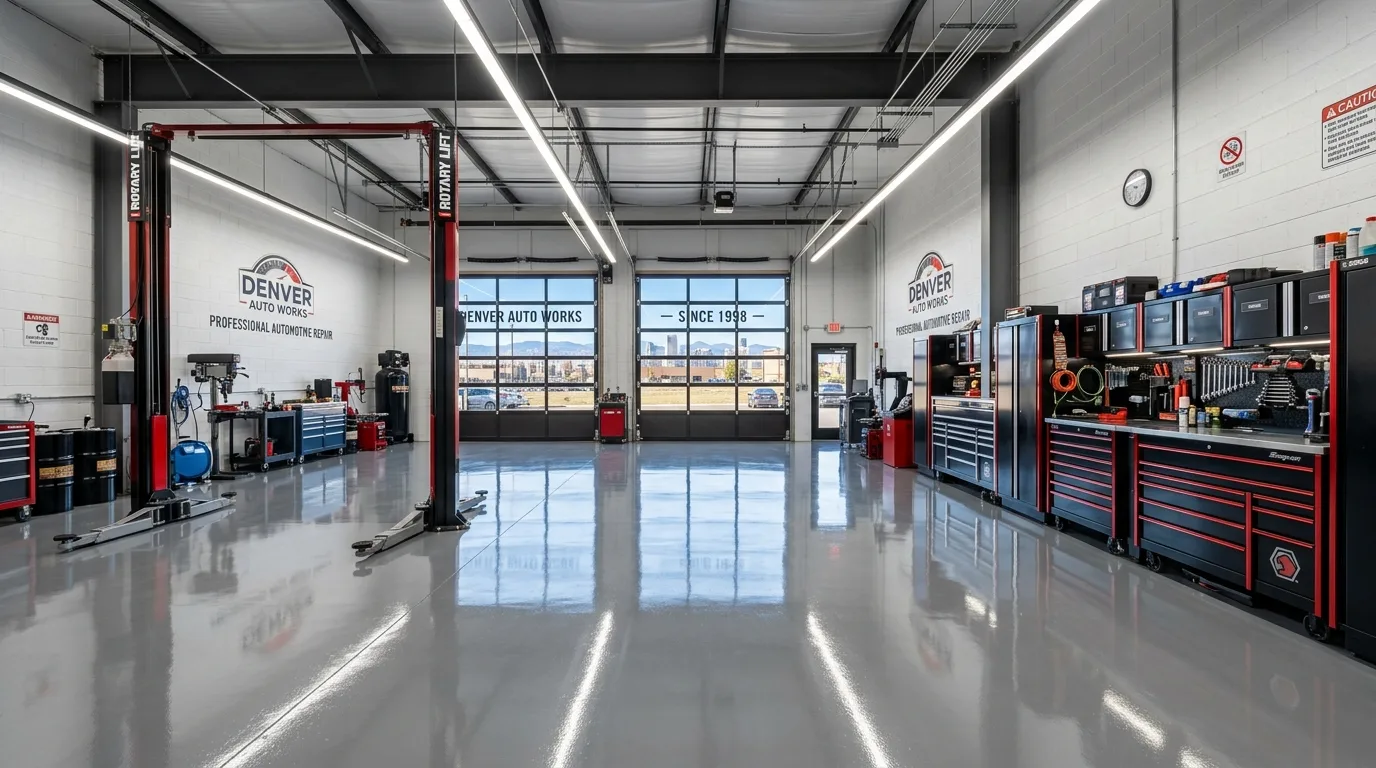
Hot tire resistant polyaspartic topcoat. Oil contamination remediated. Lift-rated slab inspection. Residential garages to full commercial shops.
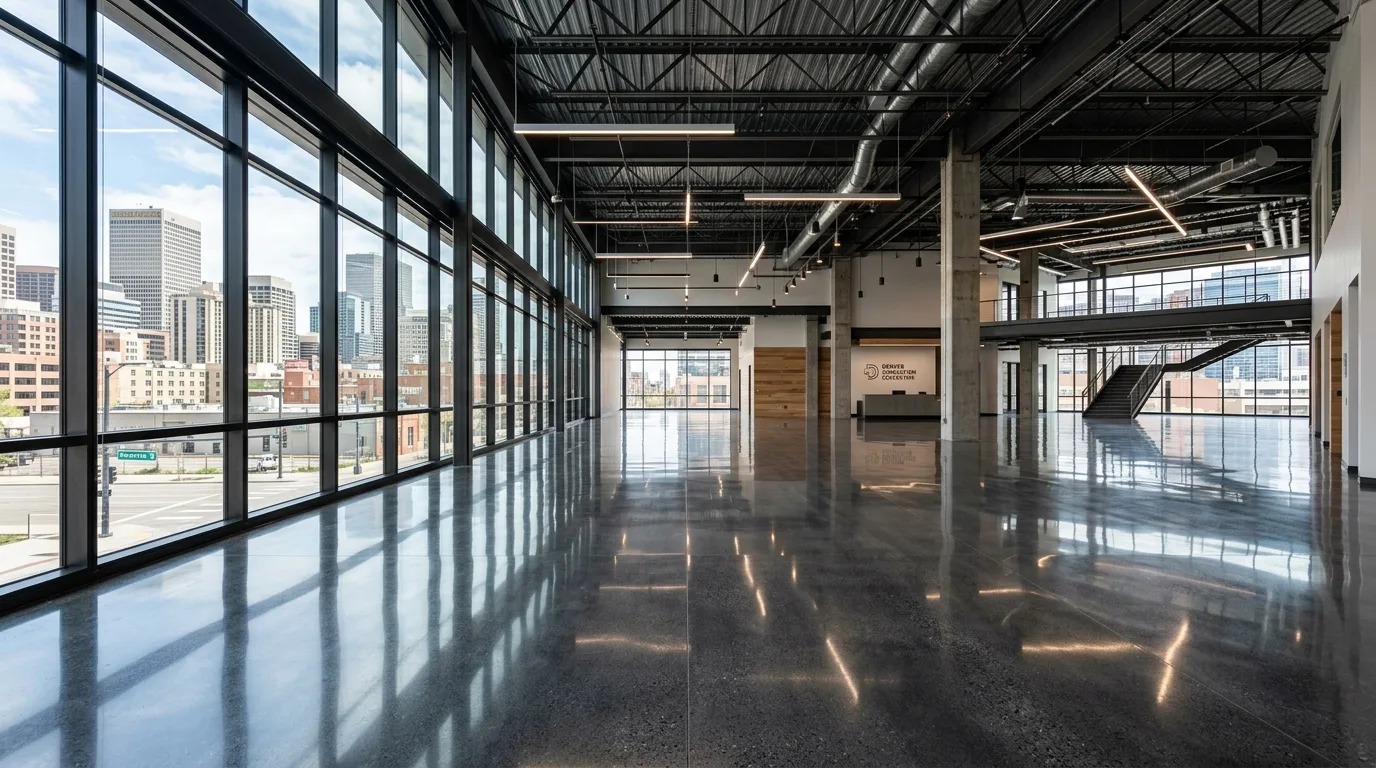
Grit levels, aggregate exposure, cost per sqft, and how Denver's low humidity and high altitude affect polished concrete longevity and slip resistance.
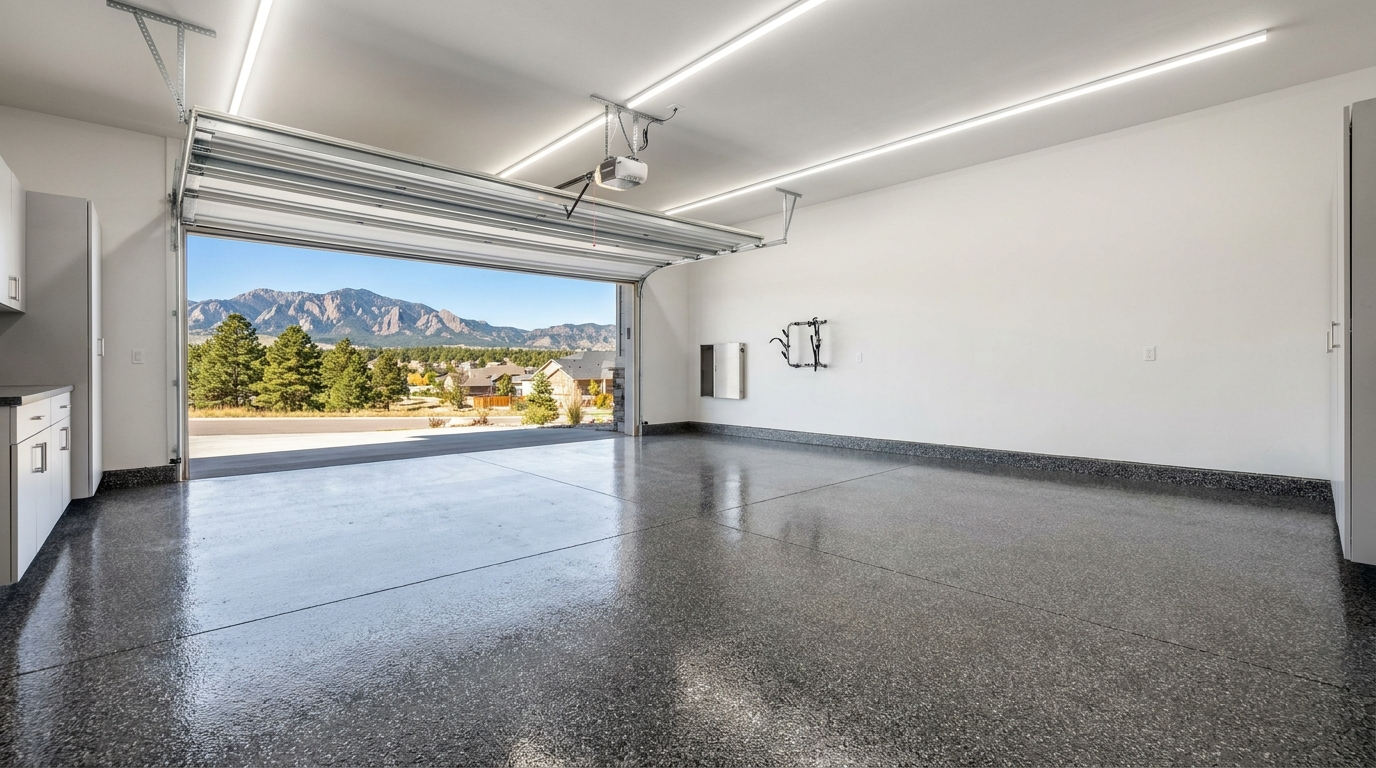
How altitude, UV at 5,280 ft, and freeze-thaw cycling change what your garage floor needs - plus a full cost breakdown for 2026.
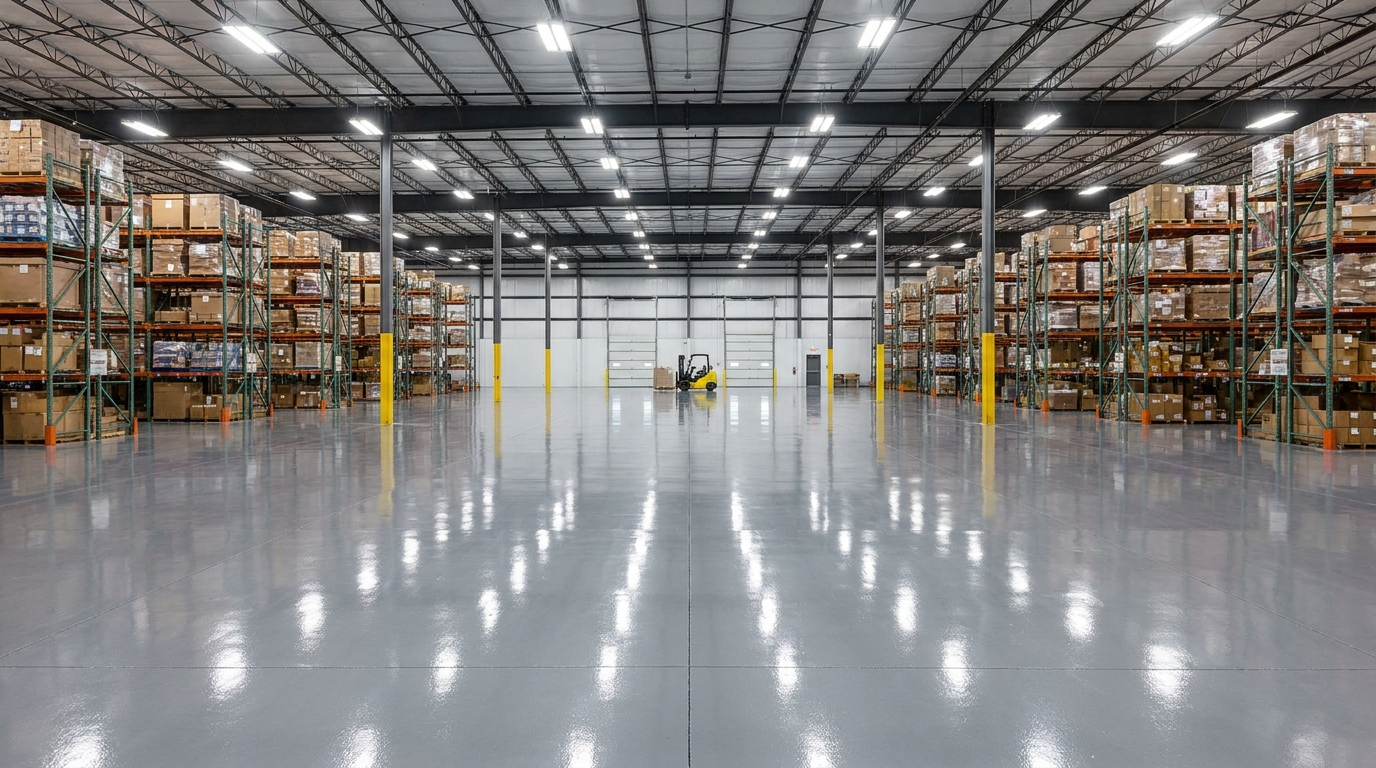
Industries served, forklift-rated system specs, after-hours scheduling, and what separates commercial from residential epoxy in Denver.
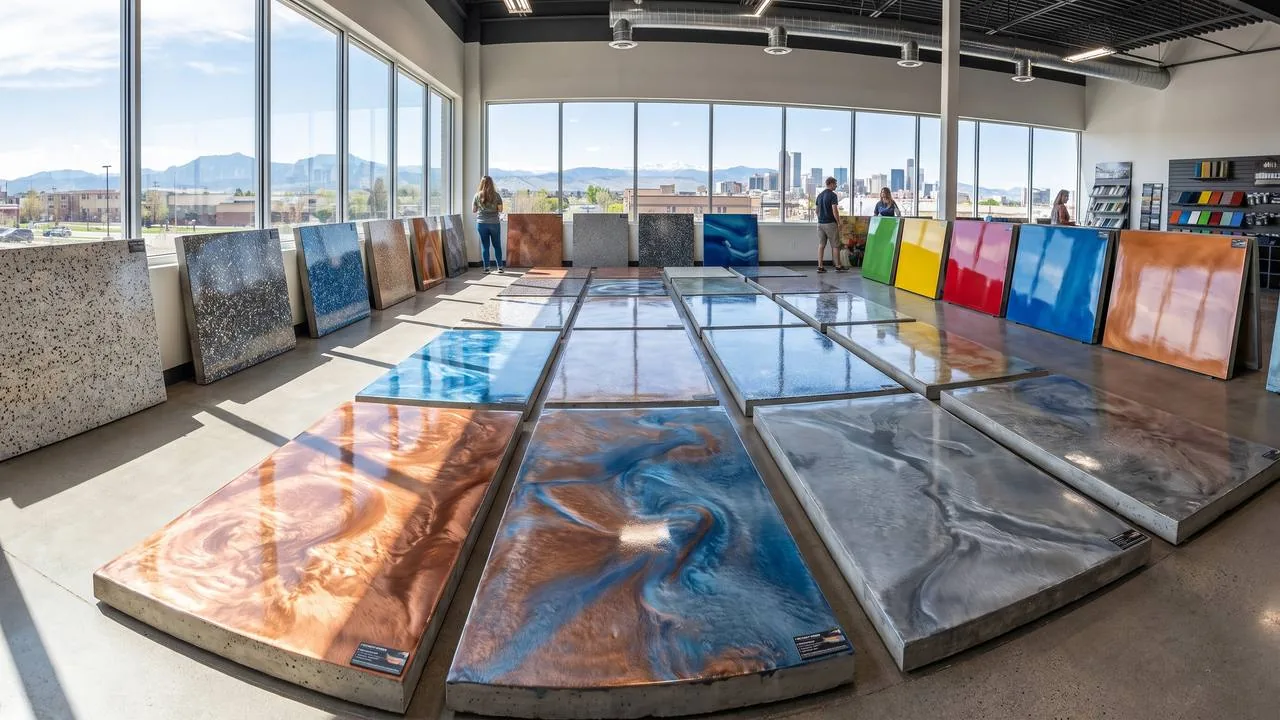
Slate, gunmetal, oyster, metallic copper - which colors suit Denver's desert aesthetic, HOA rules, and summer heat? The complete 2026 guide.
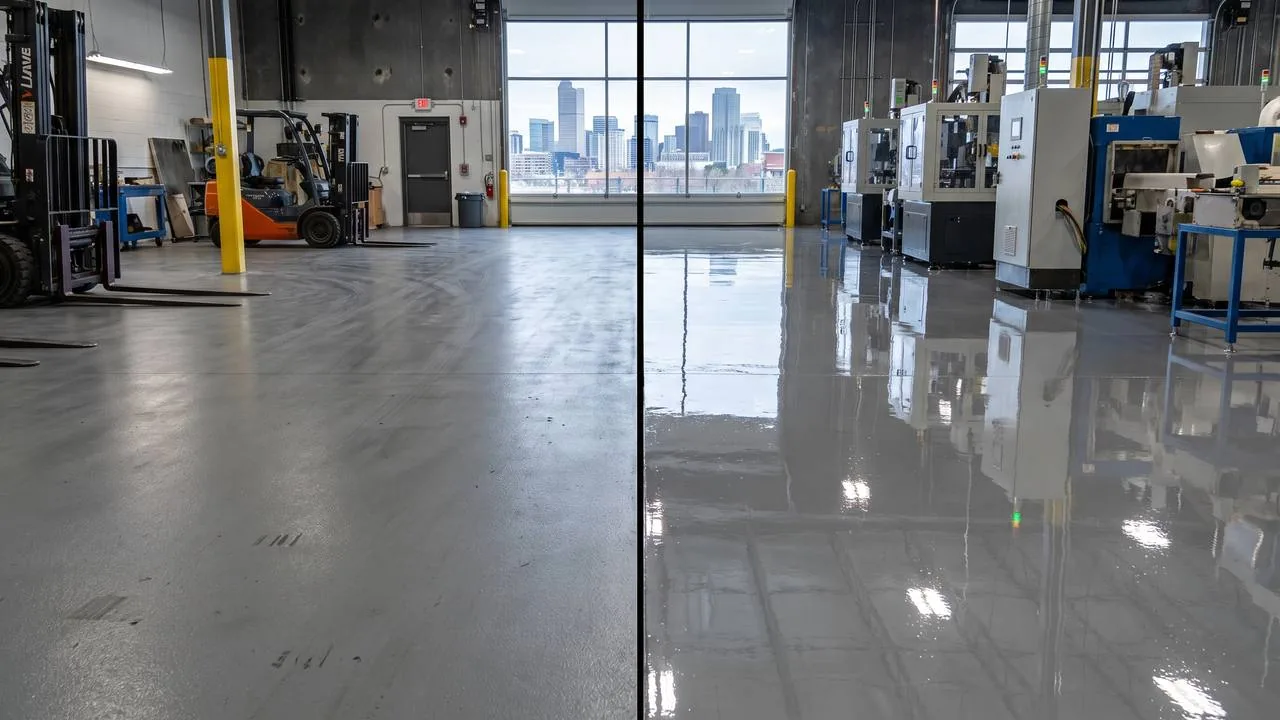
UV resistance is the deciding factor in Colorado. Here's how epoxy and polyaspartic compare - and why the best system uses both.
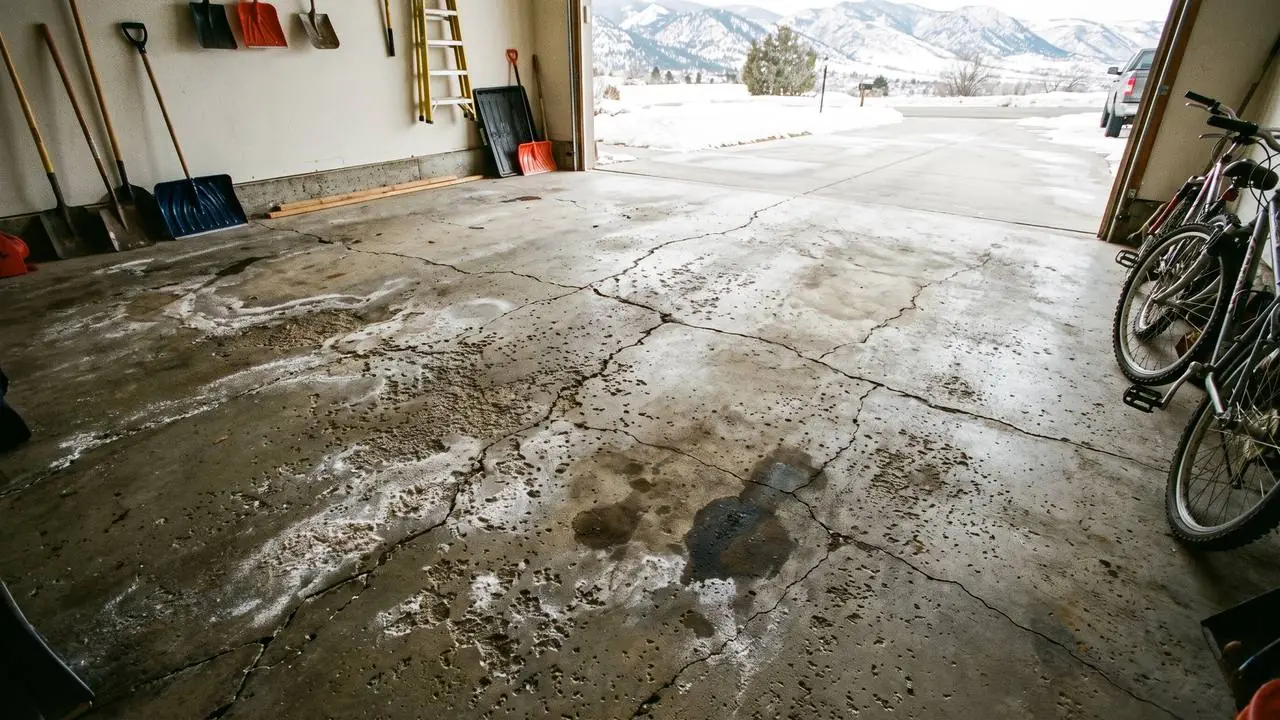
Cracks, oil stains, dusting concrete - Colorado's heat accelerates every one. Here's how to spot the warning signs before they cost more to fix.
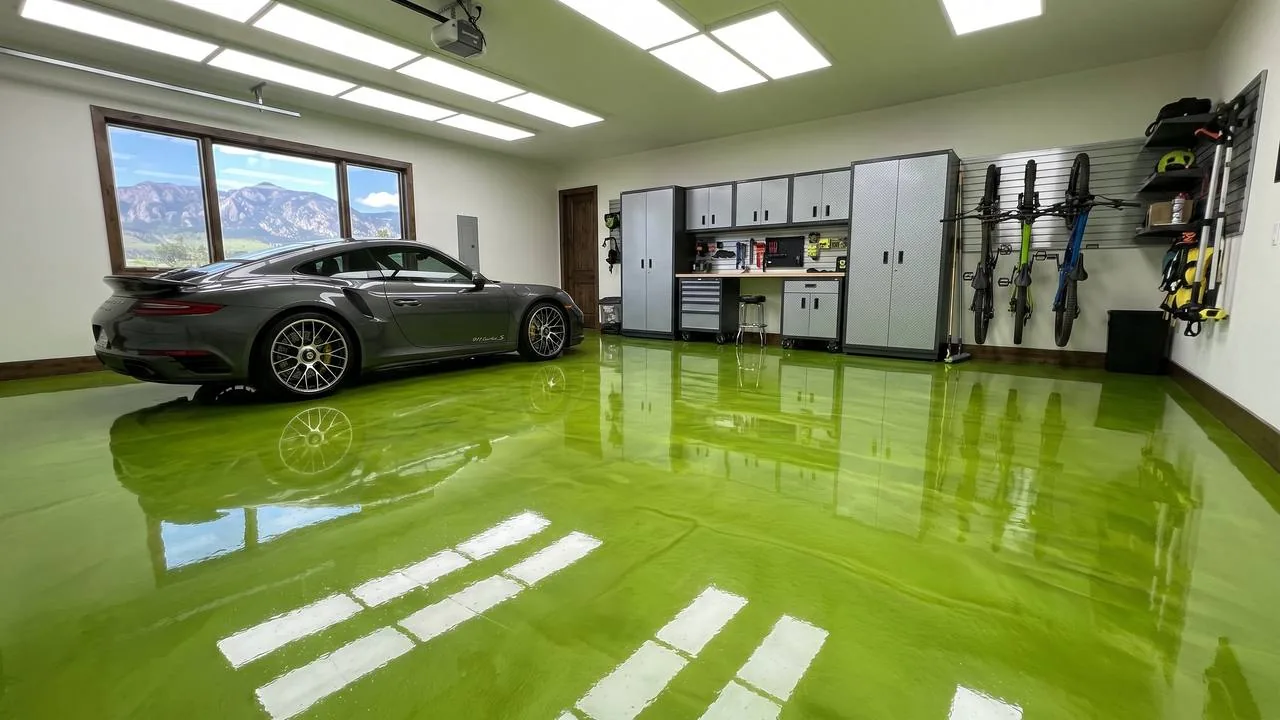
Garage, commercial, and metallic epoxy price ranges for Denver - plus the 6 factors that swing quotes by thousands.
Get a free on-site estimate from our Denver epoxy and concrete polishing crews.
Request Free Quote